
Have you ever felt overwhelmed by confusing money talk? More than 37 million Spanish speakers have found comfort in clear, everyday language to help them understand their finances.
This post shows how simple tools and plain words are changing the way families and kids learn about money. We’re sharing practical tips that swap puzzling terms for easy-to-understand ideas so you can take charge of your financial future.
Curious to see smart money moves in Spanish that really work for you?
Top Resources for Financial Literacy in Spanish

Every day, more than 37 million Spanish speakers rely on this platform for smart, research-backed tools that make handling money easier. It’s worth noting that 45 percent of these users have limited English, so the tools are designed to clear up confusing financial language. For instance, before using these resources, many families struggled to understand tough money terms. Now, the Spanish Glossary of Financial Terms explains everything in plain language, making discussions about money much simpler.
One cool feature is the Money as You Grow Bookshelf, a collection available in both Spanish and English. It uses everyday words to help parents and caregivers introduce kids to basic money habits with fun reading and playful activities. Plus, with guides like Your Money, Your Goals, users receive practical tips on handling debt and setting aside funds for emergencies, key steps for anyone planning a secure financial future.
The platform keeps things exciting with a Spanish Translated Arcade Game that turns learning about finances into a truly fun experience. Teachers also benefit from the Spanish & ELL Directory, which offers lesson updates and answer keys for culturally relevant instruction. With 67 adjustable lessons that meet National Standards, you can choose a course format that fits your schedule, whether it’s a trimester, a semester, a full school year, or even a specialized course like Financial Algebra or a Middle School curriculum.
On top of that, the website features video libraries, quizzes, and virtual professional development modules. These interactive tools, along with community projects like #Mission2030, create a friendly environment that helps users take charge of their money matters with confidence and clarity.
Essential Finance Terms in Spanish for Money Management

Learning easy financial words in Spanish can boost your confidence and help you manage your money better. When you grasp these basic terms, joining money conversations becomes a breeze. The new Spanish Glossary supports 37 million users, including many who aren’t fluent in English. This guide explains every term in plain language.
For example, think of "ingresos" as the cash that flows into your home, much like the funds you use every day. And "gastos" is simply the money leaving your wallet, whether you’re buying groceries or paying a bill. Knowing words like "presupuesto" and "ahorro" can make planning your finances feel a lot less daunting.
It feels good to know the basics, doesn’t it? If you’re curious about how this all works, check out what financial literacy means at https://niftycellar.com?p=325. Below is a clear table with key Spanish finance terms to help you feel even more in control:
| Term | Definition |
|---|---|
| ingresos | Income: the money you receive |
| gastos | Expenses: the money you spend |
| presupuesto | Budget: a plan for managing income and expenses |
| ahorro | Savings: money set aside for future use |
| inversión | Investment: putting money to work to grow your funds over time |
| tasa de interés | Interest rate: the extra cost when borrowing money |
This simple guide clears up money lingo, making finance feel more approachable for everyone.
Developing Budgeting Skills in Spanish: Planning Tips

Imagine setting up a monthly plan that tracks your money and gradually grows your savings. The Money in Our Lives module gives you clear, friendly guidance to create a personal budget in Spanish. By using these easy steps, you can take charge of your finances and learn in a way that feels natural and approachable.
Here’s a simple roadmap for managing your money:
-
Step 1: Define tus ingresos y gastos
Start by writing down all your income (ingresos) and monthly expenses (gastos). Think of it like dividing your money into different jars, each jar for a specific purpose. -
Step 2: Create a plan for tu presupuesto
Decide how much money you'll spend on essentials like housing, food, and transportation. Simple spreadsheet templates from your Spanish lessons can help you plan easily. -
Step 3: Allocate funds for emergencias
Set aside a small part of your income for unexpected costs. Building this cushion can help you feel safe when surprises pop up. -
Step 4: Track tus spending
Keep an eye on every dollar you spend. This helps you see what’s working and what might need a little adjustment. -
Step 5: Revisit and adjust
At the end of each month, look over your budget and make changes if needed. Tweaking your plan helps keep your savings goals on track.
By following these steps, you'll change the way you handle your Spanish money management and build strong, lasting financial skills.
Investing Basics in Spanish: Building Long-Term Wealth
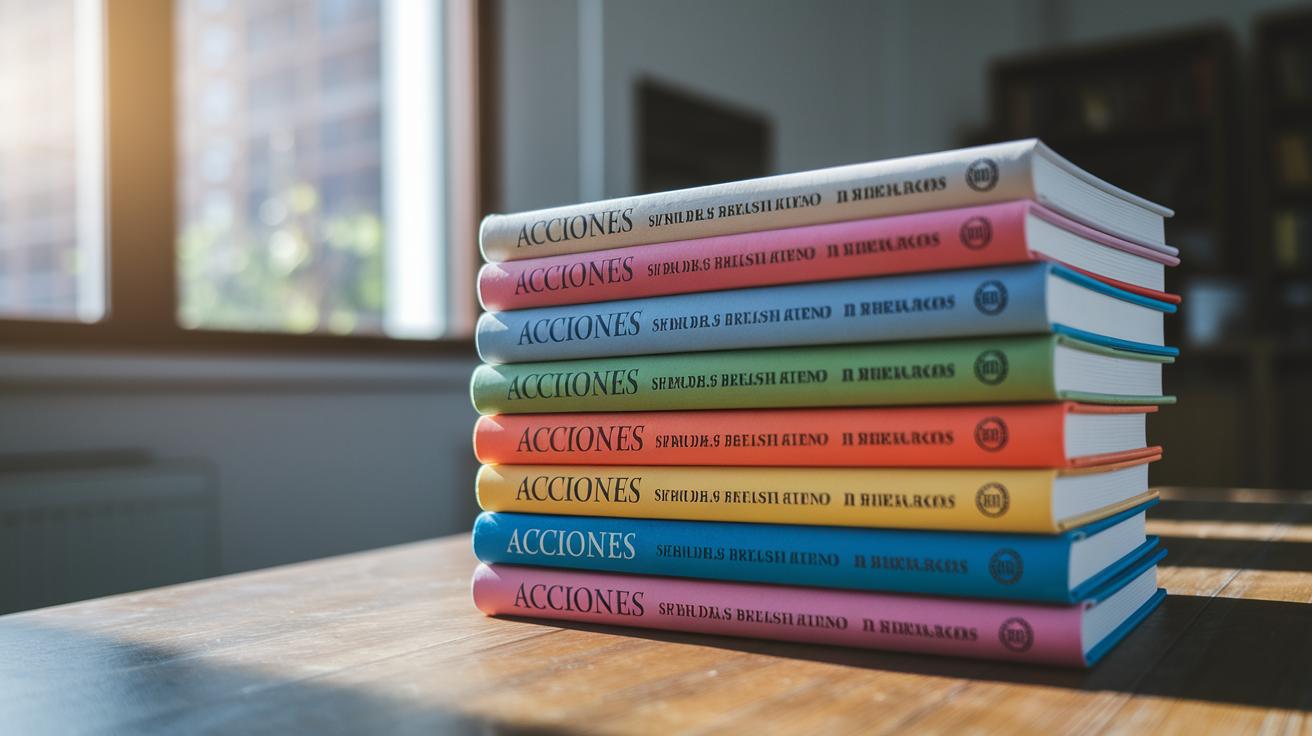
Spanish resources explain asset types like acciones, bonos, and fondos indexados in simple words so you can make smart investment choices. Learning about these basics in Spanish helps you see how each asset works together, much like mixing ingredients for a delicious recipe. For example, putting money into an index fund, a simple, low-cost way to join the market, helps balance your risk and grow your savings slowly through compound interest.
When you invest in a mix of acciones, bonos, and fondos indexados, you lower the chance of losing money if one part of the market slows down. Think of it like spreading out your risk, so if one brick feels weak, the others still hold strong. Even small, steady investments can outpace inflation over time, and learning these principles in Spanish shows you how each asset contributes to your overall money plan.
This friendly approach makes financial learning feel more like a helpful chat than a complicated lecture. Once you get the hang of basic terms and simple strategies, you can start small and watch those little investments grow into something much bigger. With clear examples and straight talk, diving into investing becomes less scary and paves the way to long-term wealth.
Effective Debt Reduction Strategies in Spanish

Managing your debt in Spanish doesn’t have to feel overwhelming. Your Money, Your Goals shares real, down-to-earth tips to help many Spanish-speaking families take control of their debt. One smart move is to target the balances with high interest first, tackling these accounts can cut extra charges and free up cash for other needs.
Another handy tip is to talk with your creditors about your payment plans. Often, a quick chat can lead to lower interest rates or a revised schedule, making monthly payments easier to handle, and giving your budget a little breather.
You might also try out two popular strategies: the snowball method, where you clear the smallest balances first, and the avalanche method, which deals with the highest interest rates. Playing with both approaches can help you find the best fit for your situation.
And here’s a fact to keep in mind: about 11 percent of Hispanic consumers didn’t have a bank account in 2018. Opening a checking or savings account can help you dodge extra fees and risky services, paving the way for better money management and long-term security.
Digital Finance Tools and Interactive Modules in Spanish

Digital platforms in Spanish now make money management engaging by adding fun, interactive lessons. They let you explore Financial Algebra like you're playing a game. For example, you might use a Desmos activity that feels like an arcade challenge, if you answer quickly, you earn extra budgeting hints.
The Spanish & ELL Directory brings everything together in one easy-to-use toolkit. It features online quizzes, a video library with current news, and professional development sessions you can access anytime. This blend keeps learning fresh and interesting without repeating the same material.
Implementing Curriculum Insights for Financial Literacy in Spanish

Our curriculum follows clear rules to keep all content ad-free so that teachers can concentrate on teaching Spanish money management without any interruptions. It creates a smooth, focused learning space where every slide is just for learning. For example, think about a class where every slide is purely about the lesson, without any distracting ads making the experience easier for everyone.
Groups can pick between NFEC-branded materials or their own custom style. You get to adjust covers, title pages, and even legal notes so everything fits your community's unique identity. Imagine updating a lesson slide with your school’s logo, ensuring it really reflects who you are.
Final Words
In the action, our article highlighted top Spanish resources, ranging from basic finance terms to budgeting tips and investing basics.
We covered debt reduction strategies, digital finance tools, and the curriculum insights that make money management clear.
This guide is designed to boost confidence for anyone ready to take control of their financial future.
With a focus on financial literacy in Spanish, these tools empower you to turn everyday money decisions into smart, informed moves.
Keep moving forward, knowing every small step builds toward a brighter financial future.
FAQ
What formats are available for financial literacy in Spanish resources?
The financial literacy in Spanish resources come in PDF, PPT, and lesson plan formats, offering clear guidance to help both students and educators improve essential money management skills.
What do financial literacy in Spanish examples show?
The financial literacy in Spanish examples illustrate practical money management techniques, such as budgeting and saving, that are easy to apply in everyday life and tailored for Spanish-speaking communities.
How is financial literacy in Spanish adapted for students?
The financial literacy in Spanish resources for students use simple language and interactive examples, making complex money concepts more accessible and engaging for young learners.
What does Hispanic financial literacy focus on?
Hispanic financial literacy focuses on culturally relevant content that empowers Spanish speakers with practical skills and strategies to manage their finances confidently.
What is another word for literacy in Spanish?
Another word for literacy in Spanish is “alfabetización,” which describes the ability to read and write.
What is financial services in Spanish?
Financial services in Spanish is translated as “servicios financieros,” which includes banking, loans, and various money management offers available to consumers.
What is the financial literacy of Latinos?
The financial literacy of Latinos reflects initiatives and tools designed to improve money management skills within Spanish-speaking communities, addressing language challenges and promoting empowerment.
What is the Spanish word for finance?
The Spanish word for finance is “finanzas,” covering topics like budgeting, investing, and money management in everyday situations.