
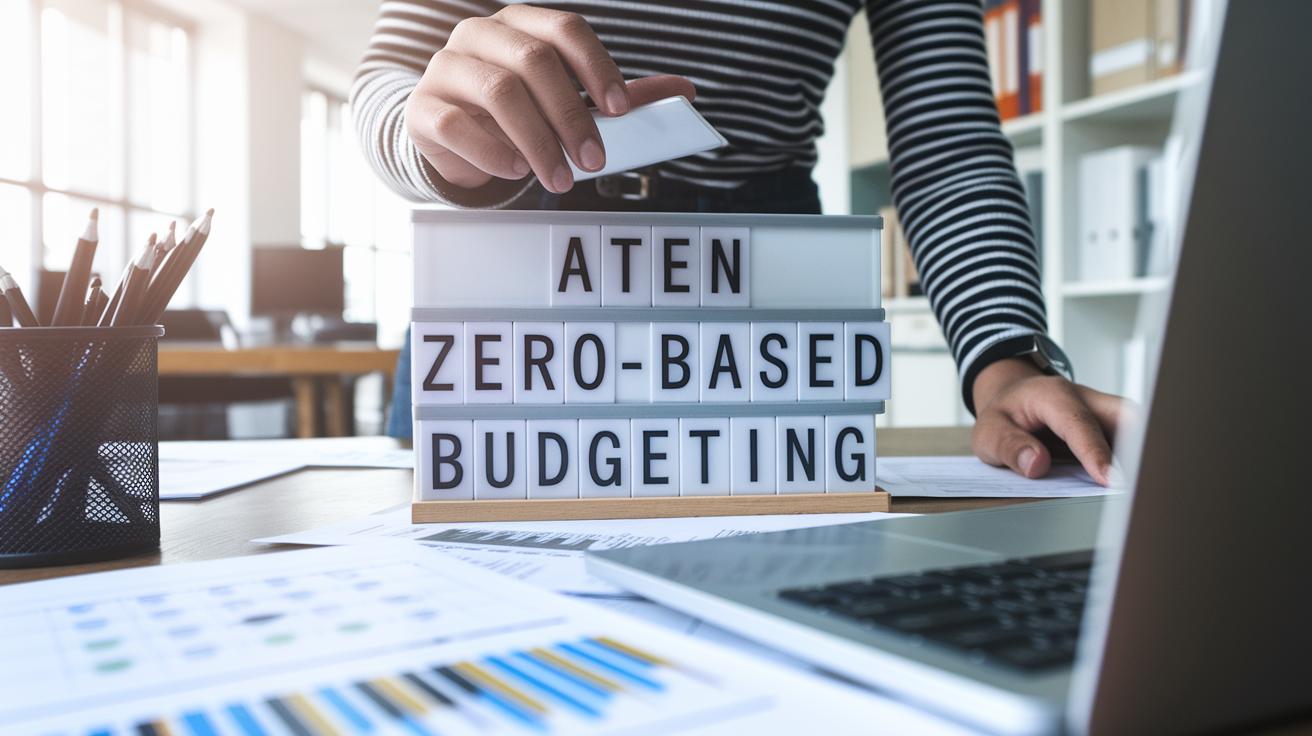
Have you ever wondered if you’re just letting money slip away without a second thought? Zero-based budgeting helps you take a fresh look at every single penny. It’s like a chef choosing only the finest ingredients, making you check every cost carefully.
With zero-based budgeting, you start with a blank slate each time. This means your business has to explain every expense from the ground up. It turns your cash flow into a simple picture of how money comes in and goes out, making it easier to see where you can save.
In this guide, we share five simple steps to help you put zero-based budgeting to work for your business.
Applying Zero-Based Budgeting in Small Business: A Step-By-Step Guide

Zero-based budgeting kicks off every cycle from scratch, which means every single dollar gets a fresh, honest look. It asks you to explain each expense solely based on your current needs and goals. This simple five-step process is a friendly guide for small business owners who want to take better control of their money.
-
First, jot down your revenue and expenses.
Begin by recording all the money coming in and every dollar going out during a chosen period. For example, think of a small café that writes down its daily sales along with every purchase, from ingredients to utilities. This step sets the stage for a clear and honest look at your cash flow. -
Next, subtract expenses from revenue.
After you have your list, work out your net income by subtracting your total expenses from the revenue. This quick calculation shows you if your spending is on track. Imagine a startup finding a little extra cushion each month, which means there’s a chance for more thoughtful investments. -
Then, check your numbers for any surprises.
Compare the costs you expected with what you actually spent. You might notice that office supplies cost a bit more than planned. This is your cue to take a closer look and maybe explore a few different supplier options. -
Now, create a plan that explains each expense.
For every cost, write down a clear reason why it’s needed and how it adds value. Think about a small retail store that lists each advertising expense alongside its expected benefit, like reaching more customers. This way, every dollar you spend has a clear purpose. -
Finally, put your plan into action and keep it rolling.
Start following your plan and watch how things go. Every new budgeting period is another chance to align your spending with your business goals. Consistency makes a big difference over time.
Using this method makes budgeting a more hands-on and clear process. Each cycle helps you refine your spending decisions, ensuring that every dollar serves a real, justified purpose.
Zero-Based vs Traditional Budgeting Methods for Small Enterprises
Incremental budgeting means you adjust last period's numbers instead of starting all over. In simple terms, traditional budgeting uses last year's plan as a base and makes small tweaks to cover any changes. This method is easy and saves time by sticking to familiar spending categories, but it can let old, unnecessary costs slip through without a second look.
Zero-based budgeting, on the other hand, wipes the slate clean. Every single cost, whether it's fixed or flexible, needs to be explained from scratch. Managers and team members have to show why each expense is needed, making sure every dollar fits the business's current goals. This bottom-up method gives you a clear look at where your money goes and helps you decide if each expense is really worth it. It also means that managers get involved at every level to make sure spending lines up with the company’s overall plan.
When you compare fixed and variable cost analysis, traditional budgeting assumes that many costs will remain steady. Zero-based budgeting, however, requires you to review each cost anew every cycle. Sure, this can take more time and energy, but the extra clarity makes it easier to plan your budget wisely. In the end, small businesses using zero-based budgeting often find they have better control over their finances and use their funds more carefully.
Both methods have their benefits. Incremental budgeting offers simplicity and speed, while zero-based budgeting leads to a thorough look at every expense. Small business owners can choose the approach that best matches their size and strategy. Either way, each method helps guide more effective financial decisions.
Zero-Based Budgeting: Crafting a Complete Expense Evaluation

We already talked about listing out your fixed and variable costs and tracking what you've spent before. Now it’s time to focus on what really matters, choosing your key expenses and linking each cost to your business goals.
Instead of rehashing the same steps, take a closer look at every expense. Compare what you expected to spend with what actually went out. Tie each cost to a simple return on investment measure so you can see its impact clearly. Then rank these expenses by how strategically important they are or by the savings they might bring.
For example, one business found that its regular software subscriptions made up over 10% of avoidable spending.
Next, create a detailed spending plan broken down by department, project, and frequency. Start by highlighting the little details in expense allocation that haven’t been covered before. Keep a clear focus on your key priorities and use this approach to build a spending plan that's both targeted and easy to act on.
Key Benefits and Challenges of Zero-Based Budgeting for Small Businesses

Zero-based budgeting gives small businesses a fresh look at every single cost. Instead of just rolling over old expenses, you start from scratch and ask, “Do we really need this?” It’s like going through your closet and keeping only what sparks joy. For instance, one company talked with its suppliers again and saved about 10%, all without cutting back on quality. Another small firm switched its marketing dollars from traditional outlets to online channels, saving 20% and even attracting more customers. These examples show how zero-based budgeting can help you spend smarter and stay flexible.
But let's be honest, it isn’t without its challenges. This approach can be a bit heavy on resources. It takes extra time to collect and check every bit of data, much like keeping track of every penny when planning a vacation. And sometimes, departments that don't bring in revenue might get overlooked because the focus becomes all about cutting costs. Small businesses need to prepare for a cultural shift and commit to regular team meetings to balance day-to-day expense cuts with long-term financial health.
| Advantage | Challenge |
|---|---|
| Eliminates unnecessary costs and increases transparency | Demands lots of time and detailed data management |
| Aligns spending with strategic goals | Risk of sidelining non-revenue areas |
In the end, zero-based budgeting really requires hands-on management and a willingness to adapt. But if you're ready to invest the time, it can pave the way for smarter spending and overall business growth.
zero based budgeting for small business: Cost wins

Budgeting software tools can really ease the stress of handling expenses. They automatically sort your costs, track your spending, and point out any differences so you don’t have to slog through manual work. Imagine a small boutique that uses one of these tools to organize every invoice automatically. This way, the owner can concentrate on growing the business instead of getting buried in paperwork.
Cloud-based platforms give you a live look at your expense centers with easy-to-read dashboards. Picture a local restaurant that instantly knows how much each food item costs. With this clear view, you can quickly make smart spending decisions.
Some tools even connect your bank feeds and invoices directly to your budget categories. It’s like watching every dollar in action, helping you catch any surprise overspending right away. Automated reports also alert you when something seems off, making sure nothing slips by unnoticed.
Here's a quick summary:
- Budgeting tools automatically sort and track expenses.
- Digital platforms offer live monitoring with simple dashboards.
- Expense trackers link your bank data to cut down on manual work.
- Reporting alerts you immediately to any spending differences.
If you want an extra boost, consider using money management apps for an added layer of smart automation.
Zero-Based Budgeting in Action: Small Business Case Study

Paul’s Party Rentals realized it was time for a budgeting makeover. They knew the road ahead might be bumpy, with vendors dragging their feet and team members feeling unsure. So, they sat down together in focused workshops where each cost was examined closely. During one of these sessions, they found out that an old subscription service was draining more money than some of today’s digital options. One team member admitted, "I never realized we could cut our expenses this much until we dug into every single line item."
They then built a system to make sure every expense was justified. Using a simple template and reviewing their spending monthly, they pinpointed hidden costs that went beyond the usual supplier or marketing savings.
| Expense Category | Key Insight |
|---|---|
| Subscription Services | Old software costs more compared to modern alternatives |
| Operational Supplies | Chances to combine vendor contracts for better deals |
Final Words
In the action, the guide broke down the five essential steps of zero based budgeting for small business. It outlined how to build a spending plan from scratch, compare it with traditional methods, assess every expense, and tap into smart tools for clearer financial control.
Each section brought practical examples and honest insight, leaving you equipped to manage costs with confidence. Keep moving forward knowing that a clear, step-by-step approach can truly boost your financial growth.