
Have you ever worried about an unexpected bill coming in when your paycheck is already low? It’s a real head-scratcher, right? That’s why setting up an emergency savings fund is so important. It acts like a safety net when life throws a surprise at you, whether it’s a sudden job loss, an urgent repair, or any big bill that pops up.
In this article, we’re going to guide you through easy, clear steps to build that backup plan. We’ll show you how to protect your everyday budget, so you can sleep a little easier knowing you’re prepared for the unexpected.
Understanding Your Emergency Savings Fund

An emergency savings fund is money set aside just for life's big surprises. Think of it as a separate account that covers major costs like losing your job, repairing your home, or fixing that broken fridge or leaky roof. It helps you avoid turning to costly loans or credit cards when unexpected problems pop up.
When you build this kind of safety net, you're creating a backup plan for tough times. It gives you the comfort to stick to your regular budget even when surprise expenses appear, so urgent bills don’t throw your finances off track.
Imagine getting laid off right in the middle of the month or facing sudden repair costs after a storm hits. Your emergency fund is there to ease the stress, letting you handle these challenges without scrambling for money.
Unlike a rainy-day fund for everyday small costs or a sinking fund saved for things like weddings or vacations, an emergency savings fund is only for serious, unforeseen financial shocks. This clear setup protects your long-term money goals while keeping your daily spending in check.
Calculating Your Emergency Savings Fund Target

When you start building your emergency fund, many experts suggest setting aside enough money to cover three to six months of your basic expenses. If you have a family, aiming for around nine months might be a safer bet. At first, try saving a smaller amount, say, $500, to cover one important bill. That small win builds a habit, and soon you’ll feel more confident pushing your target higher.
Using a simple tool like an emergency savings calculator or even a spreadsheet can help you clearly see your monthly costs. It’s like having a snapshot of where every dollar goes.
When jotting down your monthly costs, include key items such as:
- Rent or mortgage payments
- Utilities like electricity, water, and gas
- Groceries and essential food supplies
- Insurance like health, home, or auto coverage
- Transportation expenses, whether car payments or public transit fares
- Debt payments and other recurring bills
Once you know your total monthly expenses, divide that number by the number of months you want your emergency fund to cover. For instance, if you need a four-month cushion, multiply your monthly total by four. Then, break this bigger goal into smaller, manageable monthly contributions.
Taking things step-by-step helps you clearly see where your money goes while steadily building a financial buffer for those unexpected challenges. Have you ever found that breaking big goals into smaller chunks makes them feel much more achievable?
emergency savings fund: Smart Steps to Stability

When you start an emergency fund, picking the right account is a smart move. You want your money growing safely and ready to use whenever you need it. Keeping it separate from your everyday checking account means you won’t accidentally spend it.
Here are a few good options:
- Savings account – usually around 0.50% to 1.00% APY.
- Money market account – typically about 0.60% to 1.20% APY.
- Online high-yield account – often between 1.00% and 2.00% APY.
Using a dedicated account helps you keep your emergency savings untouched for daily expenses. With the chance to earn interest, your balance can slowly grow over time. It also helps that these accounts are FDIC-insured, so your money is safe. And when life throws a curveball, like an unexpected job loss or home repair, you’ll have quick access to cash. By picking an account with solid APYs and keeping it separate, you’re building a financial cushion that stands by you when it really counts.
Building an Emergency Savings Fund with Smart Strategies

One smart tip to grow your emergency fund is to try the 50/15/5 rule. This rule means that 50% of your income covers your basic bills, 15% goes into your retirement savings, and 5% is set aside for emergencies. It works like a simple recipe that helps you reserve money for surprise expenses without feeling lost in a sea of numbers.
-
Set up automatic transfers. Pick a fixed amount each month and have it automatically moved from your checking account to your emergency fund. This easy step takes the stress out of remembering to save and keeps you on track.
-
Adjust your contributions as needed. Your income and expenses can change over time. If a bill goes up or you get a raise, tweak your amounts so they still follow the 50/15/5 rule.
-
Use unexpected windfalls. When you get something extra, like a tax refund, bonus, or gift, try putting part of that money into your emergency fund. These little boosts can really help without messing up your regular saving habits.
-
Keep an eye on your progress. Track your growing balance with a simple spreadsheet or a budgeting tool. Checking in on your progress lets you see your efforts pay off and reminds you that you’re on the right path.
Once you hit your emergency savings goal, you can reallocate future savings toward other dreams like a vacation or education fund. Sometimes, exploring methods like envelope budgeting for families can also help you manage your money better. This approach not only builds a cushion for life's unexpected moments but also opens the door to your longer-term goals as your financial journey evolves.
Automating Your Emergency Savings Fund Contributions
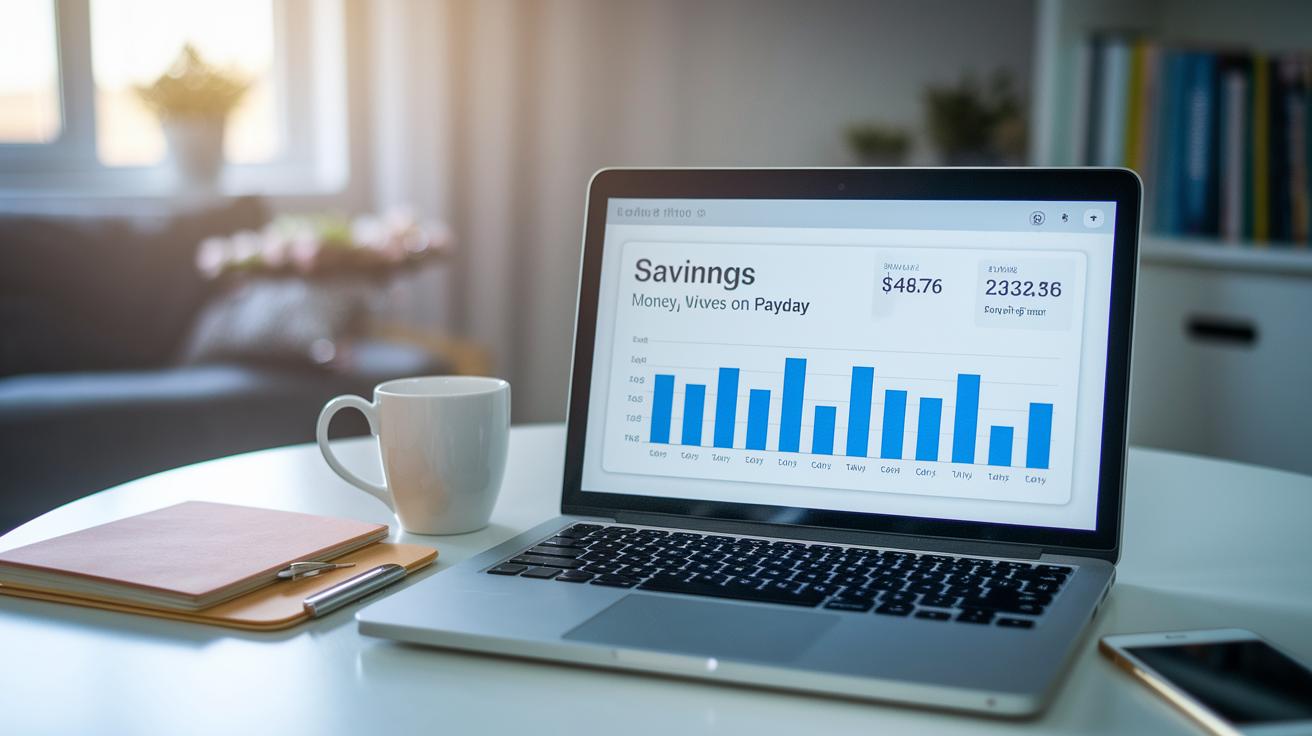
Saving money can feel like a struggle, but automating your contributions makes it simple. Setting up automatic transfers from your checking account or payroll means you don’t have to worry about remembering to save. Imagine your money moving on payday like clockwork, it’s a bit like having a friendly autopilot for your finances.
This approach comes with some handy features:
- Scheduling: Pick specific dates for transfers so your savings build up steadily.
- Reminders: Get a quick alert when a transfer happens or if your balance falls below a set amount.
- Progress charts: Use easy-to-read dashboards to see your fund grow over time.
- Customization: Tweak your transfers as your financial goals change.
- Notifications: Receive updates and simple tips to keep your savings on track.
Every once in a while, take a minute to review your transfer settings. As your income or spending changes, a brief check can make sure your savings still match your goals. This little habit helps keep your automated savings working for you no matter what.
Avoiding Pitfalls in Emergency Savings Fund Management

Keeping your emergency savings separate takes a bit of discipline and smart planning. A careful approach now can help prevent problems later, so you always have quick access when you need it most.
Be sure not to:
- Use your emergency fund for everyday bills or small, non-urgent fixes.
- Pick bank accounts with low interest rates that don't keep up with rising costs.
- Rely solely on surprises like windfalls instead of making steady contributions.
- Forget to update your savings goal when your expenses change.
- Combine your emergency savings with funds meant for paying off debt.
It helps to review your fund regularly. Take some time now and then to check your savings strategy. Look at how your account is doing and see if it still fits your needs. Adjust your goals if your income or expenses shift. These regular check-ins keep your finances secure and give you the confidence to handle life’s unexpected moments.
Final Words
In the action of building an emergency savings fund, this guide outlined clear steps to protect your money from unexpected expenses. We broke down how to set your savings target, choose the right account, and use smart strategies to steadily grow your reserve.
Each practical tip empowers you to handle challenges confidently and streamline your overall money management. Keep taking small yet impactful steps toward a more secure financial future.
FAQ
How to apply for an emergency savings fund?
The process to set up an emergency savings fund means first calculating your target amount based on months of living expenses, then opening a separate, dedicated savings account for unexpected costs.
What is the best emergency savings fund?
The best emergency savings fund is one that provides a secure, easily accessible cushion by using a high-yield, FDIC-insured savings or money market account to keep funds separate from everyday spending.
How does emergency savings fund withdrawal work?
Emergency savings fund withdrawal means only taking funds when faced with genuine, unplanned expenses—like job loss or urgent repairs—to protect your financial backup when you really need it.
What are some emergency fund examples?
Emergency fund examples include setting aside money for unexpected job loss, sudden home repairs, or unforeseen medical bills, all of which help avoid turning to high-interest loans during crises.
How does an emergency fund calculator help?
An emergency fund calculator helps by listing expenses such as rent, utilities, and groceries, then estimating a target amount based on several months of costs to guide your savings plan.
What does having a $30,000 emergency fund mean?
A $30,000 emergency fund means you have a robust cushion that can cover several months of living expenses, giving you peace of mind during unexpected financial setbacks.
What is an emergency fund from government programs?
An emergency fund from government programs refers to financial assistance available during crises; however, most personal backup funds are built through regular, intentional savings.
Where should I keep my emergency fund?
Your emergency fund works best when stored in a separate, high-yield savings or money market account that is FDIC-insured, keeping it distinct from daily checking expenses while earning interest.
What is the 3 6 9 rule for emergency funds?
The 3 6 9 rule for emergency funds means saving three months’ worth of expenses as a minimum, six months for moderate security, and nine months for extra assurance during uncertain times.
What makes a good emergency savings fund?
A good emergency savings fund covers 3-6 months of your essential living costs, is maintained in an accessible, dedicated account, and steadily grows with regular contributions.
Is $10,000 a big enough emergency fund?
A $10,000 emergency fund can be sufficient if it represents 3-6 months of your living expenses, though the right amount depends on your personal costs and financial situation.
Is $20,000 too much for an emergency fund?
A $20,000 emergency fund isn’t too much if your monthly expenses require a larger cushion; having extra savings can better protect you against more significant financial shocks.