
Have you ever wondered what lights the spark for growing economies in emerging markets? A mix of factors comes together like puzzle pieces to create that growth. Governments are relaxing rules, new roads and digital tools are boosting production, and more people are moving to expanding cities. Each of these elements adds a burst of energy and promise to the market. In this post, we chat about how relaxed policies and rapid urban changes drive a fresh wave of economic progress.
Key Drivers Behind Emerging Markets Growth

Emerging markets are changing fast, thanks to a mix of factors that spark growth and economic change. Each piece plays its part in creating new opportunities, boosting production, increasing consumer demand, and linking local markets to a global stage.
Here are six important drivers:
- Economic liberalization: Governments ease strict rules, inviting more investments and making money flow smoother.
- Infrastructure investment: Upgrading roads, energy grids, and communication networks helps cut costs and improves connections.
- Demographic transitions: More people, especially in cities, means a greater need for housing, services, and modern amenities.
- Urbanization trends: As more workers move from rural areas to cities, they find jobs that boost overall productivity.
- Technology innovation and digital transformation: New tools like mobile payments and online shopping let businesses reach more customers and run more efficiently.
- Trade expansion strategies: Regional deals and global supply chain links lower trade hurdles, attract foreign investments, and encourage spending.
All of these factors work together to break down old barriers and invite modern practices. In doing so, they create a more connected and robust economic landscape that makes it easier for everyday people to tap into new financial opportunities.
Demographic Transitions & Urbanization Trends in Emerging Markets

A lot of people are leaving rural areas for cities, and this shift is changing local economies. When families move from the countryside, the need for homes, transportation, and essential services grows. Think of a quiet village that suddenly gets new schools and markets because more families have relocated nearby.
Cities are also evolving as more workers shift from farming to manufacturing and services. This change boosts productivity and sparks fresh ideas locally. Picture a small city workshop that ramps up its output as skilled workers join in, improving efficiency and inspiring innovation.
At the same time, a growing middle class is changing consumer habits by spending more on retail, financial services, and leisure. This trend creates new opportunities for businesses to cater to different tastes and improve living standards. Imagine a local bakery that expands its menu because more residents now have extra money to spend.
Technology Innovation & Digital Transformation Driving Emerging Markets Growth

Technology is sparking a new wave of progress in emerging markets. New digital tools are changing how businesses run and how everyday services are accessed. Mobile phones and quick internet connections aren’t just bonuses anymore, they’re essentials that open up smarter and easier ways to work. Think about a local vendor using a simple smartphone to reach customers in far-off towns as if they were right next door.
More and more people are getting mobile phones and internet access, which is lighting a fire under online shopping in these regions. Businesses big and small are finding new customers through e-commerce websites, cutting costs while boosting sales. Picture a small neighborhood store that starts selling online and suddenly attracts buyers from places it never even thought about. It’s a trend that’s closing the gap between old-fashioned markets and today’s digital world.
Digital payment systems are making transactions smoother and safer too. With mobile payments, cash moves fast and vendors can manage their money without long delays. These systems help make every step in the supply chain clear and cut out extra costs. In short, digital transformation is connecting markets better than ever and powering a strong economic surge in emerging economies.
Infrastructure Investment & Connectivity in Emerging Markets
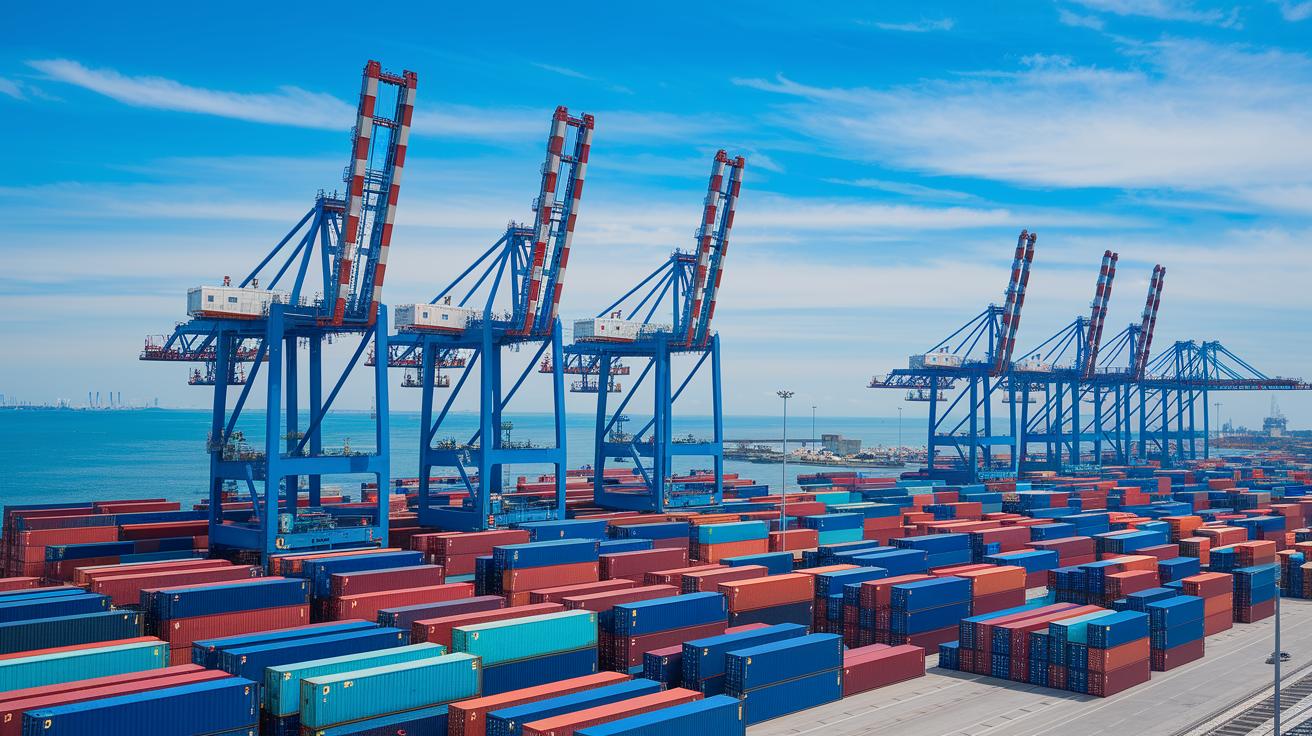
Big investments in transportation are driving growth in emerging markets. When roads, ports, and railways get a fresh upgrade, moving goods from factories to export hubs becomes simpler and cheaper. It’s like turning a quiet local port into a busy international gateway, a boost that reaches far beyond what you might expect.
Government spending is also sparking improvements in energy and digital networks. Updating power grids and communication lines helps factories run smoothly and keeps our daily services on track. Imagine a neighborhood enjoying steady electricity and fast internet, making everything from local shops to healthcare better.
Policy Reform Initiatives & Economic Liberalization Impact on Emerging Markets Growth

Policy changes have really reshaped markets in emerging economies. These reforms are making financial systems stronger and cutting through old red tape, which helps money move faster and more smoothly. Governments are rebuilding their financial tools by creating sturdy banks, smoother stock exchanges, and even unifying currencies. This makes it much easier for businesses to get the funds they need and for investors to feel at ease.
Think about it like this: when rules get simpler, trade starts buzzing again. Here are some key ways these reforms are working:
- Trade liberalization: Opening up trade lets factories and manufacturers pick up the pace, while more export options bring life to local economies.
- Deregulation: Cutting back on too many rules means businesses can adjust more easily, which leads to better performance.
- Market opening: Letting more folks join capital markets attracts investments that help local firms grow.
- Investment incentives: Faster approvals and clear benefits give investors the boost they need to pour in new money.
All of these changes make it easier for funds from other countries to flow in. Investors can see that when rules are clear and markets are open, the financial environment gets both stable and exciting. In short, by embracing these reforms, emerging markets not only improve everyday transactions and raise liquidity, but they also create a welcoming space where extra capital helps spark real economic growth.
Trade Expansion Strategies & Global Supply Chain Integration in Emerging Markets

Trade expansion strategies are a big driving force in emerging markets. Export-led strategies, for example, use low labor costs to serve wealthier markets, giving these countries a much-needed competitive boost for growth. And with regional trade agreements that chop down tariffs and sync up standards, trading across borders becomes smoother and more predictable. This lets local companies break into new markets, earn more, and build stronger ties with international partners. In short, mixing export-led growth with regional deals sets the stage for a healthier financial environment and wider economic opportunities, sparking a true economic surge that can transform local industries.
Global supply chain integration also brings plenty of upsides. By tying into global networks, emerging markets can grab access to the latest technologies and benefit from economies of scale. Better logistics and simpler production methods help lower costs and improve efficiency. With more reliable connectivity and shared technology, local firms can meet growing customer demands while boosting product quality. As companies join these worldwide networks, they learn fresh ideas and new ways to speed up production and better serve their customers. This smart, efficient setup not only supports steady export growth but also encourages sustainable development by reinforcing modern practices and keeping markets competitive.
Case Studies of Emerging Markets Growth Drivers

Emerging markets are showing impressive growth using different economic approaches. Real-world numbers tell us that new reforms, expanding industries, and changes in how people spend their money have helped countries like India, China, Brazil, and Mexico move ahead. It’s like watching a team work together, each country uses its own strengths to keep growing.
| Country | 2014 GDP (USD trillion) | 2024 GDP (USD trillion) | Avg Annual Growth Rate | Major Drivers |
|---|---|---|---|---|
| India | 2.0 | 3.9 | 6.9% | Economic liberalization, Make in India |
| China | 10.3 | 18.3 | 5.9% | Strong manufacturing, Export-led policies |
| Brazil | 2.5 | 2.2 | 0.5% | Infrastructure upgrades, Policy reforms |
| Mexico | 1.4 | 1.9 | 3.1% | Manufacturing, Trade agreements, Services |
The numbers show that key changes like opening up the economy, shifts in industry, and different spending habits are driving these nations forward. Each country builds on what they do best, from India’s reform efforts to China’s large-scale production, to grow steadily and mix more with the global market.
Challenges & Risk Mitigation for Sustainable Emerging Markets Growth

Emerging markets often face challenges from sudden currency changes, rising prices, and increasing debt. These bumps in the road can shake up the economy and make it hard for both businesses and families to plan ahead. When costs shoot up or debt grows unexpectedly, even long-term projects might stumble, leaving everyone feeling uncertain about their financial choices.
In some regions, weak laws and corruption lower trust in important institutions. Outdated or confusing rules can lead to poor management, which makes investors nervous and slows down progress. Even well-planned projects can fall apart without the right oversight, wiping out gains and making sustainable growth seem like a distant dream.
The good news is that updating regulations and investing in eco-friendly projects can ease these risks. Governments can set clear, fair rules that support green practices and protect workers' rights. This helps local businesses grow strong and builds a solid base for a stable economy. With smart policies and sustainable investments, emerging markets can rebuild investor trust and pave the way for long-term prosperity, even when facing short-term challenges.
Final Words
In the action, we covered key drivers shaping emerging markets growth. We looked at economic liberalization, infrastructure investment, shifting demographics, urban trends, technology innovation, and evolving trade strategies – each playing a role in boosting financial opportunities.
This blend of insights builds a clear and actionable picture for smarter money management and investment confidence. Emerging markets growth offers a promising path toward a stronger, more secure financial future.
FAQ
Q: What are the drivers of growth in emerging markets?
A: The drivers of growth in emerging markets include economic liberalization, infrastructure investments, demographic shifts, digital advancements, policy reforms, and trade expansion. These factors boost productivity and expand consumer markets.
Q: Why do emerging markets grow faster?
A: Emerging markets grow faster because rising consumer spending, rapid digital adoption, robust government reforms, and increased foreign investment boost business activities and productivity, paving the way for accelerated economic expansion.
Q: What are the top 5 emerging markets and what defines the big five emerging markets?
A: The top five emerging markets—commonly China, India, Brazil, Russia, and South Africa—are defined by high growth rates, large populations, active economic reforms, and expanding middle classes that drive vibrant consumer sectors.