
Ever thought budgeting could be as simple as plugging numbers into a spreadsheet? With Excel and some handy pre-built templates, you can easily track your income, expenses, and savings. The formulas do the math for you while your finances update in real time, giving you clear insight into your spending.
Imagine watching your money come together with every entry. It’s like turning your Excel sheet into a personal money manager. Read on to find out how you can take charge of your cash with just a few clicks.
personal budgeting excel templates: download and quick setup

Looking after your money just got a whole lot easier with these pre-made Excel budget templates. They work on both Microsoft 365 and Google Sheets and are built to help you manage your money right away. With built-in formulas, these templates use the 50/30/20 method (dividing your money into needs, wants, and savings) so you don’t have to do the math yourself. You can download either a ready-to-use Excel file or a PDF version, much like an FTC worksheet. Just remember to get your download from a trusted website by clicking the "personal budgeting template" link.
Once you're ready, head over to the download page and click the link. When the preview pops up, hit “Download” and save the file to your computer or cloud storage. Open the file in Excel or Google Sheets, and you’ll see that the formulas kick in right away to add up your totals automatically. One user even said, “I downloaded the template and saw my expenses and income reshuffle themselves correctly as soon as I filled in my numbers,” showing just how simple it is.
If you’re new to these tools, there’s a step-by-step YouTube tutorial to guide you. It walks you through setting up your workbook, adding your income details, and even tweaking the categories if needed. Imagine following a clear, friendly walkthrough where you can see every click and keystroke, almost like watching your numbers update in real time as you type. This makes getting started with your budget feel not only easy but also empowering for smarter money moves.
personal budgeting excel formulas: automate your budget
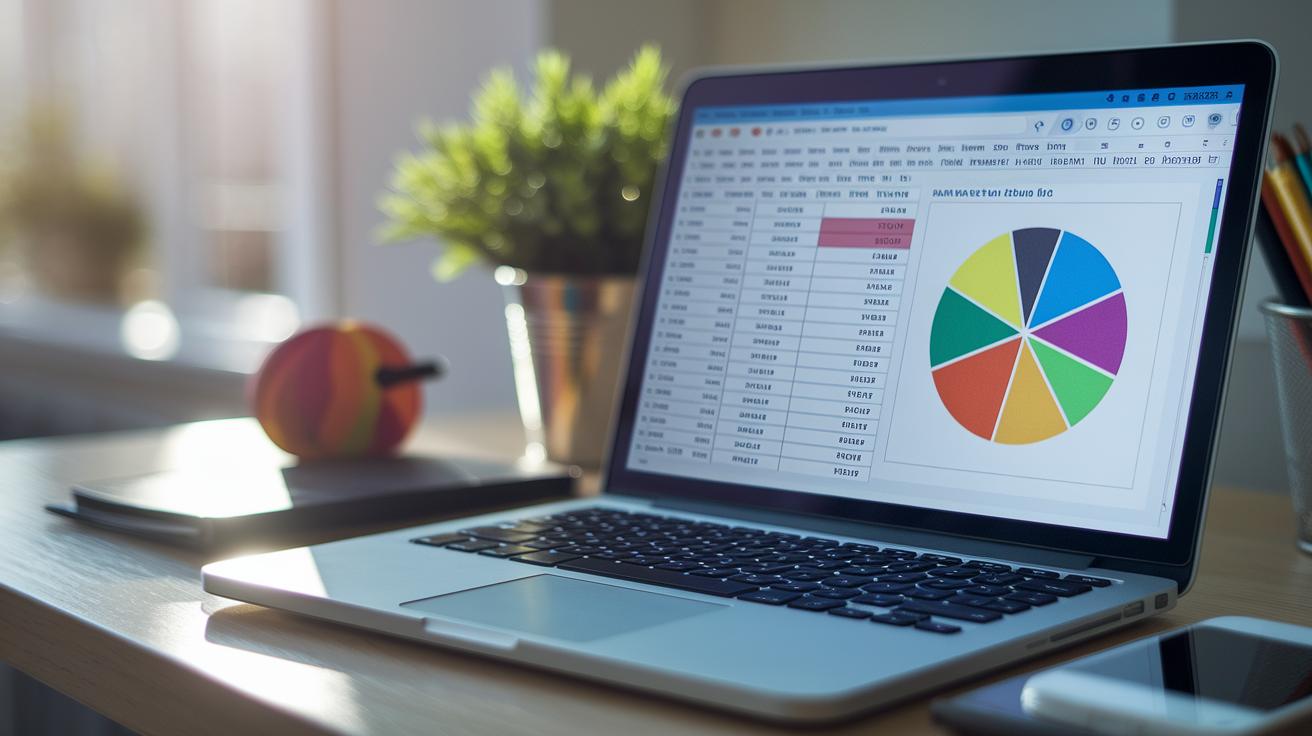
Our preloaded formulas truly make life easier. They update on the fly when you change your income or add new expenses, ensuring your totals stay correct, even if you include extra rows or ranges. Imagine adding an unexpected expense mid-month and watching your totals instantly adjust without you having to lift a finger.
The 50/30/20 setup isn’t just a simple split. When you tweak your income or change categories, the formulas work seamlessly behind the scenes to recalculate percentage bands in real time. It’s like updating one cell and instantly seeing the rest of your budget balance itself to reflect your true financial picture.
You also have the freedom to customize with editable ranges. Feel free to rename or rearrange sections; the formulas adjust automatically to these changes. A handy tip? Try renaming one cell range first and watch how the related calculations update. This small test can give you confidence before you make bigger changes.
customizing your personal budgeting excel workbook

When you tweak your budget workbook, you can clearly see where every dollar goes. Renaming simple categories like housing, food, or entertainment makes your sheet feel more like your own daily spending. It helps you compare similar items and makes tracking your budget a lot more accurate.
Adjusting your workbook to match your habits makes it uniquely yours. You might notice spending trends and even avoid unexpected costs. Changing colors or shifting the layout not only freshens up the look but also directs your focus to the key areas. And with date filters, switching between monthly, quarterly, or annual views becomes effortless, giving you a lively snapshot of your finances.
- Rename or add expense categories that mirror your unique spending.
- Insert new rows for any surprise or unusual costs.
- Use conditional formatting to flag any overspending or to celebrate hit savings targets.
- Tweak date filters to move easily between monthly, quarterly, or yearly views.
- Copy chart or pivot-table templates to craft a dashboard that truly reflects your financial picture.
After you’ve made your changes, remember to save your version with a special file name. Having different versions lets you track your progress and go back if things don’t work out. This simple habit keeps your interactive workbook evolving with your financial goals and stays in tune with your personal money habits.
visualizing personal budgeting excel data with charts

Visual aids bring your budget to life. When you check out a pie chart, you quickly see how much you spend on things like housing or groceries. Line and bar charts help you notice how your money flows each month. It’s a clear and simple way to spot trends and adjust your spending as needed.
Your charts update automatically as you add or change entries, so your financial dashboard always shows up-to-date totals like income, expenses, and savings. With custom labels, legends, and colors, understanding the numbers becomes both easy and practical.
| Chart Type | Purpose |
|---|---|
| Pie Chart | Shows spending areas |
| Line Chart | Tracks money flow trends |
| Bar Chart | Compares monthly numbers |
Adding this table to your dashboard turns raw numbers into clear, actionable insights. Experiment with each chart type and create a view that truly captures your personal financial journey.
troubleshooting personal budgeting excel: common issues & fixes

Sometimes your budgeting spreadsheet shows errors like #REF! because cell links are broken or formulas aren’t set correctly. When you see error messages or blank cells that seem odd, have a quick look at your cell references and any alerts that pop up.
If several people update a cloud-shared workbook at the same time, you might run into version conflicts, and the file can slow down if your list of transactions grows too large. You might even get a security warning if the file comes from an untrusted source, so it’s a good idea to check where your download came from and make sure your cell settings are right.
Here are some simple steps to help you fix these issues:
- Check that your cell references are correct and nothing is missing.
- Use the Evaluate Formula tool to find and fix calculation mistakes.
- Clear out old links from previous versions.
- Archive older transactions to keep the file size manageable.
- Adjust your Trust Center settings to reduce unneeded alerts.
And remember, always back up your file regularly. Saving a few versions gives you a safety net if something unexpected happens, keeping your budgeting data safe and easy to access.
syncing personal budgeting excel: cloud access and sharing options

Storing your personal budgeting Excel file on SharePoint or Google Drive is a smart way to keep it safe and up-to-date. These tools sync your workbook instantly, so every change shows up right away and you can even check previous versions. And with Google Sheets offering 15 GB of free storage, you can rest easy knowing your file is secure.
You can also invite family or friends to take a look or help manage your file. Just adjust the settings to let them view or edit, whichever works best for your situation. This is great for family budgeting, everyone gets to see the latest numbers without changing the important formulas or layout.
Using mobile apps for Excel and Google Sheets makes tracking your daily expenses really simple. Picture yourself updating your budget right after running errands; it’s super convenient and keeps your financial picture crystal clear wherever you are.
Final Words
In the action of streamlining your personal finances with a handy personal budgeting excel, this guide walked you through downloading pre-made templates, setting up built-in formulas, and personalizing your workbook. We shared tips on creating clear charts, troubleshooting common errors, and syncing files for real-time updates. Each step brings you closer to simple, effective money management. Keep experimenting with these tools and enjoy the satisfaction that comes with practical financial planning.
FAQ
How do I access a free personal budgeting Excel template?
The free personal budgeting Excel template gives you a ready-made workbook with built-in formulas for income, expenses, and even the 50/30/20 rule. It helps you track your finances quickly.
How do I create a personal budget in Excel?
Creating a personal budget in Excel means using a pre-made template or starting with a blank sheet. Input your income and spending details, and let automatic formulas do the calculations.
Is Excel good for personal budgeting?
Excel works well for personal budgeting. It offers flexible features, customizable charts, and automatic calculations that help you manage your money effectively and keep track of daily expenses.
What is the 50/30/20 rule in personal budgeting and Excel?
The 50/30/20 rule means spending 50% of your income on essential needs, 30% on wants, and 20% on savings. Many Excel templates include built-in formulas to help you apply this rule easily.