
Ever feel like your budget is holding you back? Zero-based budgeting means you start fresh with every expense and decide if it really matters today. Instead of sticking to old habits, you get to decide the purpose of each dollar. In this post, I'll share three simple tips that help your savings grow and cut out extra costs. Imagine treating your money like a sports team where every dollar has a clear role in reaching your goals. Ready to eliminate waste and focus on what truly makes a difference? Let's dive in.
3 Zero based budgeting best practices spark growth

Zero-based budgeting starts fresh with every new cycle. Instead of carrying over old spending patterns, you reexamine every cost from the ground up. This way, every team has to explain each dollar spent based on today’s goals. It helps cut wasted expenses and keeps your budget tied to what really matters.
Before the widespread use of zero-based budgeting, many companies struggled with hidden costs that piled up year after year, draining resources unnoticed.
- Align every expense with today’s business goals
- Build each budget from scratch every cycle
- Check every cost carefully to see if it makes sense
- Work together across teams and include top leaders
- Set clear spending limits that keep cash in check
- Use benchmarks from both inside and outside your company
- Connect zero-based budgeting with key performance numbers
These seven steps give you a solid start if you’re aiming for leaner budgets and smart money management. When every department has to explain its spending like it’s a new expense, it builds a habit of careful budgeting throughout the company. In truth, budgeting then isn’t just about keeping things as they are, it’s about investing wisely in growth and cutting out the unnecessary. This clear focus helps smooth out operations and makes every dollar count over time.
Zero-Based Budgeting vs. Traditional Budgeting Approaches

Traditional budgeting often just tweaks last year's spending numbers. Many companies simply add a bit to what they spent before to keep their budgets intact. This means they often stick with old spending habits without rethinking if those choices still make sense today.
On the other hand, zero-based budgeting starts from scratch every cycle. Every single cost is carefully checked to see if it really fits today’s goals. Managers need to explain each dollar, which leads to a clearer view of where money is going, and it brings the team into making smarter spending choices.
Switching to zero-based budgeting can bring better day-to-day operations and more focused spending plans. By rechecking every cost, businesses are more flexible and ready to invest in what truly drives growth. This way, every dollar spent supports overall success and helps you stay on course with your financial goals.
Step-by-Step Implementation of Zero-Based Budgeting Best Practices

Start by setting clear business goals so you know where every dollar should go. With zero-based budgeting, you review each cost as if it's brand new rather than just copying past spending. This way, you can easily spot savings and move money to parts of your business where it really makes a difference. Every team, from department heads to finance experts, shares the responsibility of explaining each expense. And as your business changes, small tweaks and adjustments keep your budget lean and on target.
| Step Number | Essential Step | Why It Matters |
|---|---|---|
| 1 | Pinpoint your main business goals | Guide funds to the most important areas |
| 2 | Review and list all current expenses | Cut out unnecessary or duplicate costs |
| 3 | Explain each line-item cost | Ensure every spend is essential |
| 4 | Include team members from across departments | Make sure the budget fits real operational needs |
| 5 | Set clear spending limits | Stop overspending right from the start |
| 6 | Review organizational changes periodically | Keep the process flexible and up to date |
These steps provide a clear roadmap that helps you assign every dollar a purpose tied to today's business needs. When everyone works together, the whole team can boost efficiency and manage costs better. And with regular check-ins, the budgeting process stays fresh and fits the changing parts of your business. It turns budgeting from a dull routine into a smart tool that drives growth and supports better money decisions.
Addressing Common Challenges in Zero-Based Budgeting Best Practices

Starting out with zero-based budgeting can feel a bit slow at first, and that might make you or your team feel a little low. To lift spirits early on, try focusing on a couple of small areas where you can make a big difference. For example, you could run a short-term cost review for one department. This simple step can lead to clear savings and give everyone a quick win.
Changing to a zero-based approach means rethinking how you view spending. It can be tough when new tools and training cost more upfront than the old ways that build on past habits. But think of it this way: each cost is a new chance to invest for growth. Instead of just looking at old numbers, you’re looking at what matters now, even if that means spending a bit more in the beginning. This fresh view helps make sure every dollar works harder for you.
Leadership that clearly explains and supports these changes makes all the difference. When top managers remind everyone why each expense is checked and rethought, the whole team stays focused and motivated, making the effort truly worth it.
Leveraging Tools and Software for Zero-Based Budgeting Best Practices

Old spreadsheets and manual data entry slow you down and open the door to errors. Working with paper or basic spreadsheets is like digging through a jumbled mess of receipts, each update takes time and increases mistakes. Imagine spending hours double-checking your work when a simple software update could do it all in seconds.
Modern FP&A tools change that game by automating everyday tasks and keeping all your data in one place. With interactive dashboards, budget models you can adjust, and clear visuals, it's easy to see every expense as it happens. It’s like having a smart helper that refreshes your financial picture instantly, so every cost fits your current goals. Your budget practically adapts with every new transaction, giving you clear insights right away.
These digital tools do more than save time, they help you manage your money better and keep a closer eye on expenses. Automation makes tracking costs a lot more accurate, and visual data helps you spot chances to save or invest wisely in a flash. When your budgeting system runs on auto-pilot, you can relax knowing every dollar is working hard to support your growth.
Real-World Case Studies of Zero-Based Budgeting Best Practices

One company used zero-based budgeting to save an amazing $60 million in one quarter. They looked at every single expense with care, just like you’d check every tool in a packed toolbox to see what you really need. This careful review not only cut costs but also freed up funds to help the business grow in meaningful ways.
Houston’s city officials also tried this method in Fiscal Year 2021. They went through each department’s spending to cut out unnecessary costs and focus on what mattered most, essential services for the community. It’s a bit like rethinking your home budget, making sure every dollar goes to something that counts.
Anheuser-Busch InBev took the same approach by asking each department to explain its spending. This process helped them trim expenses that didn’t add value and shift their money to more important activities. The result? Better profit margins and smoother operations. This case reminds us that when you look closely at each cost, even everyday budgeting can become a powerful tool for managing money smarter.
Customizing Zero-Based Budgeting Best Practices for Personal Finance
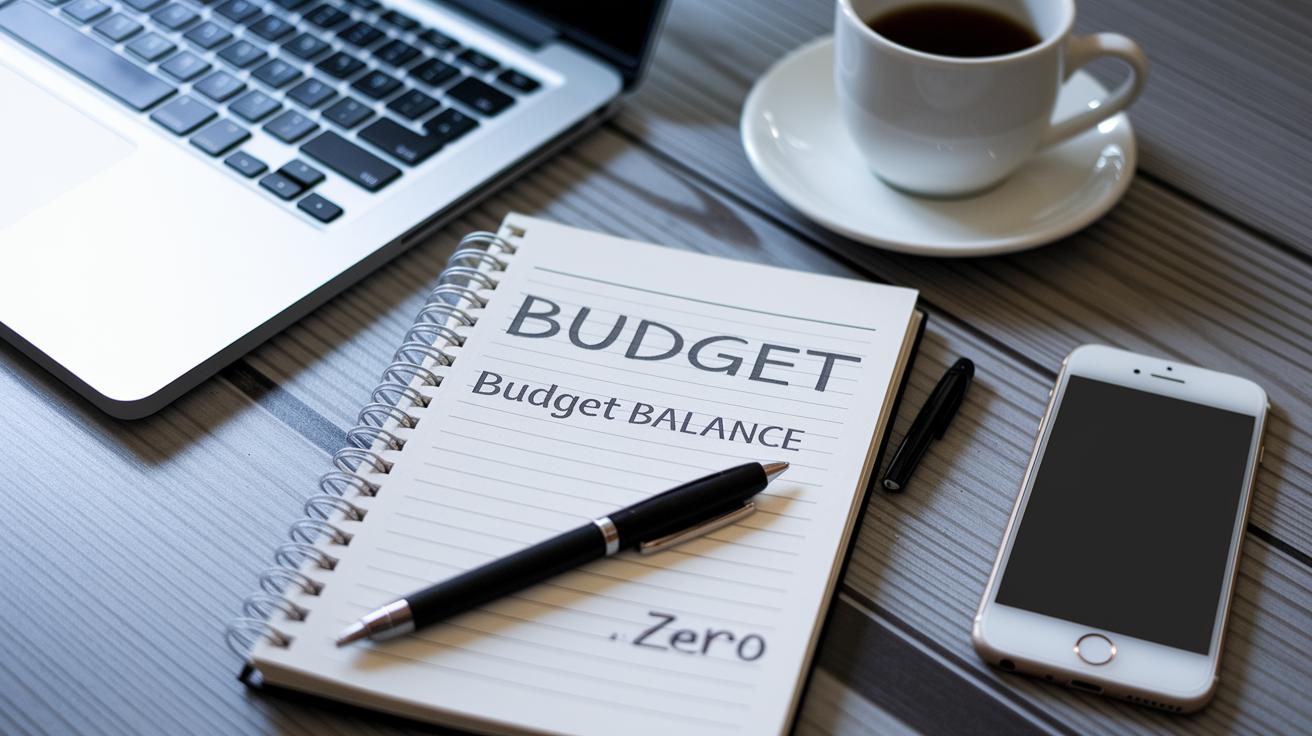
Zero-based budgeting works great for your personal money system because it treats every new month as a fresh beginning. Instead of carrying over old spending habits, you start over and look at every expense as if you’re planning a brand new budget. It’s a bit like giving your business a complete check-up before moving ahead.
Begin by writing down all your regular bills, like rent, groceries, and subscriptions. Then ask yourself if each expense really helps you reach your goals. For example, think about whether that streaming service brings you enough joy or if you could use that money to pay down debt or build up your savings for a rainy day. Every cost becomes a chance to shift funds toward your emergency savings or future investments.
When you rethink every dollar, you take stronger control over your money. This approach helps you save more while cutting down on debt, making sure every cent works toward a safer financial future.
Measuring Success and Continuous Improvement in Zero-Based Budgeting

Start by setting clear, simple goals to see how your spending matches up with your plan. Think of it like keeping score, comparing what you actually spend to what you expected helps you spot areas where your budget might need a tweak.
Next, take time to check your budget regularly. When things change, like a new competitor showing up or updates to your product, your plan should adjust too. This regular review helps you keep up with tax changes, market ups and downs, or any surprise costs, making sure every dollar supports your strategy.
Finally, tie your spending checks to your big-picture goals. When you see those numbers line up with your long-term plans, it builds trust and pushes you and your team to keep improving. This ongoing process of checking and adjusting turns budgeting into a flexible tool that helps you manage money wisely.
Final Words
In the action, we walked through how to build budgets from scratch using zero based budgeting best practices. We broke down each step, from aligning expenses with key goals to using smart tools that bring clarity to spending decisions.
We shared a look at real-world examples and personal finance tips to show how these ideas work in practice. Every section offers practical ways to boost confidence, streamline spending, and keep your financial future bright. Keep your focus sharp and your spending intentional.
FAQ
Zero based budgeting best practices reddit
The zero based budgeting best practices shared on Reddit reveal that starting with a fresh slate helps in scrutinizing every spend, ensuring each cost ties to current financial goals for optimal budget management.
Zero based budgeting best practices pdf
The zero based budgeting best practices PDF guides typically detail steps like aligning expenses with strategic objectives, justifying every cost, and rebuilding budgets from zero in every cycle to eliminate waste.
Zero-based budgeting example
A zero-based budgeting example involves constructing a budget from scratch where every expense is justified against current objectives, effectively cutting unnecessary costs and emphasizing strategic investment.
Zero-based budgeting advantages and disadvantages
The zero-based budgeting approach offers improved resource allocation by assessing every expense from scratch yet can be time intensive and challenging to execute, especially for organizations used to traditional budgeting methods.
Zero-based budgeting pdf
A zero-based budgeting PDF usually provides a comprehensive guide that explains how to build a budget from scratch, justify every cost, and align expenditures with strategic business goals for efficient financial planning.
Advantages of zero-based budgeting
The advantages of zero-based budgeting include precise cost control, elimination of idle expenses, and better alignment with current objectives, helping organizations use funds more effectively and reduce waste.
Zero-based budgeting vs traditional budgeting
Zero-based budgeting differs from traditional budgeting by starting each period from zero instead of modifying past budgets, leading to a more thorough expense review and improved cost optimization across the organization.
What are the 5 steps to zero budgeting according to Dave Ramsey?
According to Dave Ramsey, zero budgeting involves five steps: setting a monthly budget, listing income and necessary expenses, allocating every dollar a purpose, adjusting for priorities, and tracking spending as the month progresses.
What is the best zero-based budget?
The best zero-based budget is one that builds from scratch by scrutinizing every expense, aligning each cost with strategic goals, and adapting to changes, ensuring every dollar spent adds value and supports financial discipline.
What is the zero-based budgeting method?
The zero-based budgeting method constructs each new budget starting from zero, requiring all expenses to be justified as current and necessary, which promotes a lean and goal-focused approach to spending.