
Ever wonder how a few letters like AAPL or MSFT can change the way you see the market in just seconds? Think of a stock ticker like a live scoreboard at your favorite game. It shows every price change right as it happens, turning a sea of numbers into clear signals, almost like you’re listening to the market’s heartbeat.
When you catch one of these quick updates, you know instantly which way a stock is headed. That kind of insight helps you make decisions fast. In this post, we’re diving into how this instant trading clarity can truly make a difference for anyone keeping an eye on the market.
What Is a Stock Market Ticker and How It Works

A stock market ticker is like a live scoreboard for stocks. It shows real-time updates about a stock’s price and the number of shares being traded. You see details such as the highest bid, the lowest ask, the last traded price, and even the percentage change, all updated every few seconds or even faster. It’s much like watching a sports game, where every move from the players, or in this case, traders, is shown instantly.
Tickers first came around in 1867 using telegraph tape printers. Back then, prices were printed as characters on long strips of paper. Today, computers have taken over, and digital displays update with almost no delay. Imagine getting updates so fast that it feels like you’re reading the market’s thoughts in real time. It’s really like a heartbeat monitor, constantly showing you the pulse of the market.
At the heart of this system are digital networks that send out information quickly and accurately. For example, a trading platform might update prices within a single second, giving you an immediate glimpse of market trends. It’s interesting to think that back in the early days, prices were sent at a pace of just a few characters per second, something you wouldn’t even imagine today.
This modern twist makes it a lot easier for traders to keep up with rapid market changes. The real-time data from a ticker turns a jumble of raw numbers into clear, actionable insights. Whether you’re checking the current bid/ask spread or watching how much a stock’s price has shifted, the ticker helps you make smart trading decisions on the fly.
stock market ticker: Instant Trading Clarity
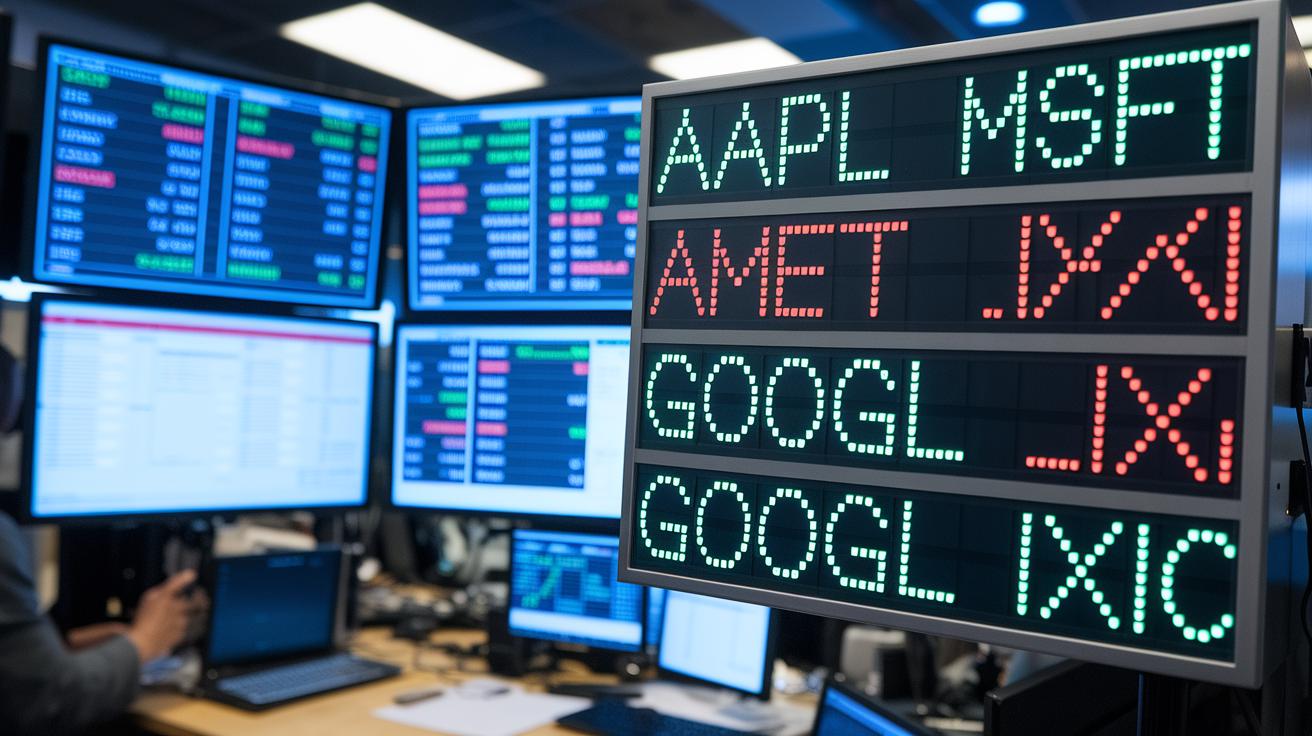
When you glance at a live board, you quickly see ticker symbols like AAPL, MSFT, AMZN, and GOOGL. These simple codes are nicknames for big tech companies that many folks follow closely. Seeing AAPL in green, for example, tells you there’s strong buying interest. It’s pretty cool when you think about it, back in the day, traders memorized these brief codes that’ve become known worldwide.
Major market indices have their own symbols, too. Ever wonder what .DJI, .SPX, or .IXIC mean? .DJI stands for the Dow Jones Industrial Average, .SPX is the S&P 500, and .IXIC represents the Nasdaq Composite. They light up digital screens and news tickers to show the overall market vibe, marking gainers in green and losers in red.
| Ticker Symbol | Description |
|---|---|
| AAPL | Apple Inc. – a leading technology company |
| MSFT | Microsoft – a key player in software and services |
| AMZN | Amazon – a giant in e-commerce |
| GOOGL | Alphabet (Google) – a forefront of innovation |
| .DJI | Dow Jones Industrial Average – a market benchmark |
| .SPX | S&P 500 – an indicator of large-cap U.S. stocks |
| .IXIC | Nasdaq Composite – focused on technology-heavy companies |
Investors love these quick shorthand codes because they bring updates fast and help make trading decisions clear and timely.
Live Market Data Displays and Streaming Ticker Feeds
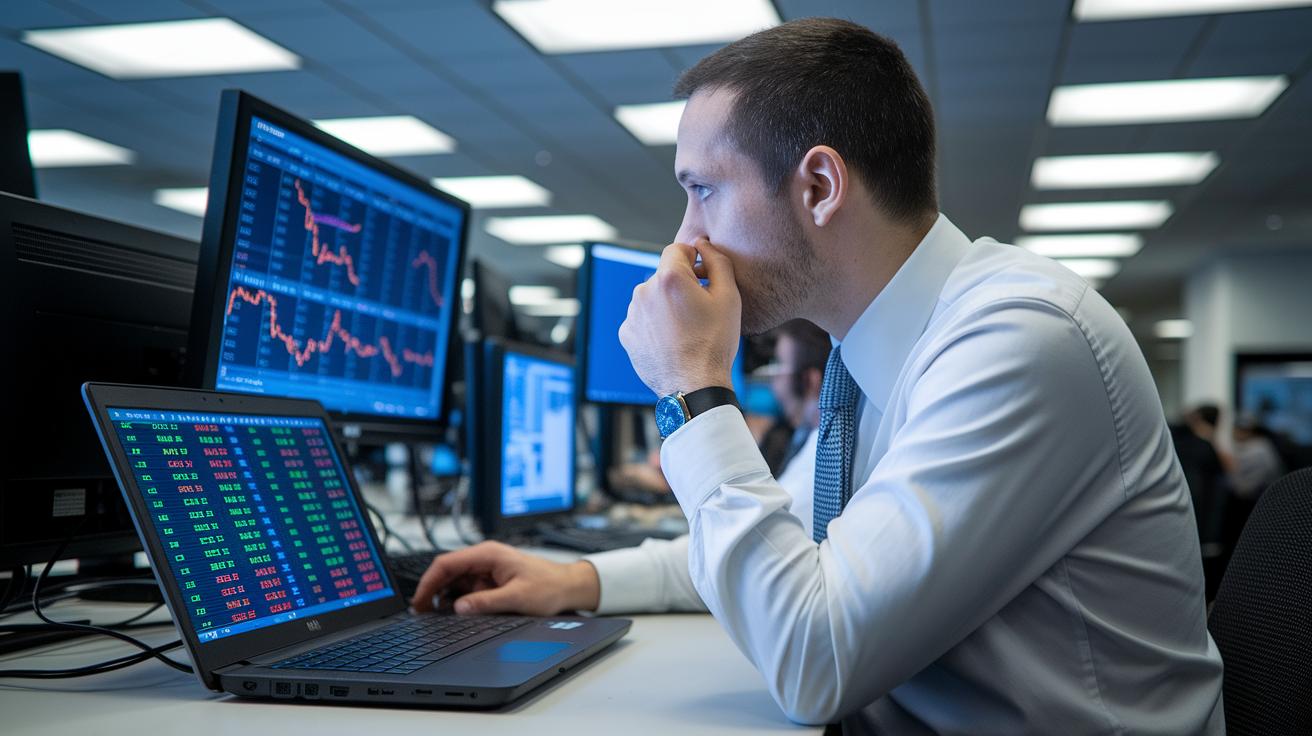
Live market data displays bring the pulse of the market straight to your screen. Platforms like Yahoo Finance and Bloomberg serve up real-time trading feeds that refresh every second, sometimes even with every tick. It’s like having a front-row seat to the market’s heartbeat, you see numbers shift as if you were right there on the floor.
These feeds work through web sockets that deliver fast, high-speed data covering everything from pre-market buzz to regular and after-hours trading. Whether you’re an active trader or just checking out trends, adding a live feed widget to your dashboard can really sharpen your strategy.
Here are some advantages:
- Fast refresh intervals, often as quick as one second, keep you in the loop.
- Compatible with both mobile and desktop platforms, giving you flexibility wherever you are.
- Customizable layouts let you focus only on the stocks you care about.
Widgets give you a clear, responsive digital display that mirrors the market’s mood. Imagine every flicker on your screen highlighting a major move, it’s almost like having a mini trading floor right in your own space.
Investors lean on these real-time panels to spot trends and make quick, informed decisions. Every update is designed to be both fresh and actionable, helping you stay ahead in the fast-moving market.
Integrating Real-Time Ticker Feeds into Trading Platforms
Real-time ticker feeds give traders the edge by sending live stock quotes straight to an online display. APIs like IEX Cloud, Alpha Vantage, and Polygon.io share data like price, volume, and trade history in a clear format. This setup means your platform updates prices almost as soon as the market changes.
Desktop apps like TradingView and Thinkorswim mix these feeds into easy-to-read dashboards, offering a quick look at market trends. And if you’re on the go, mobile apps come with widgets that not only show ticker data but also send alerts when prices hit your targets or trade volumes spike. Imagine setting up alerts that ring like your favorite tune at just the right moment, reminding you that it might be time to act. It really helps you make decisions fast.
To create a custom watchlist, start by choosing your favorite API, pick the data points you need, and arrange your stock symbols on an online ticker. You can even filter the live quotes by sector, daily price changes, or trading volume. This way, you quickly spot any big market moves.
Getting this set up is usually simple. You sign up with your API provider, copy your endpoint keys, and follow the configuration guide on your trading platform. Soon, you’ll have a live feed that acts as your eyes on the market, offering clear updates every step of the way.
Customizing and Filtering Your Digital Ticker Board
Interactive dashboards let you build a digital ticker board that fits exactly what you need. You can sort stock info by things like industry type, price range, or how many shares are traded (trading volume means the number of shares bought and sold). This way, you only see the details that fit your trading style. Instead of sifting through a mountain of data, you quickly find stocks in your favorite industries or within the price range you like.
Here are some common ways you can filter the data:
- Filter by industry to check out areas like technology or healthcare.
- Sort by price range so you only see stocks that work with your budget.
- Organize by trading volume to catch stocks with lots of activity.
- Arrange by intraday percent change to spot stocks that are quickly rising or falling.
- Group by market size to see a mix of small, medium, and large companies.
Alert modules are there to give you a friendly nudge when stocks hit a breakout, report earnings, or show a sudden spike in volatility. They work hand-in-hand with your customized ticker board to make sure you never miss an important market move. Plus, you can save your favorite layout so your trading activity tracker always shows your chosen symbols and themes. This keeps you in the loop and ready to act as soon as changes happen.
From Ticker Tape Printers to Automated Digital Screens: A Brief History

Back in 1867, the first ticker tape machine made its debut. It printed stock symbols at only two characters per second using telegraph lines. Picture watching market updates as letters slowly appear on a page, it’s a far cry from today’s fast, bright LED displays.
In the 1920s, ticker tape parades turned this simple device into a festive display of financial success. It was like getting a live update of the trading floor on paper. Then, in 1981, television stepped in with electronic tickers that delivered clear and quick stock figures right into your home. Today, digital screens, from plain LCD panels to lively LED setups, show real-time financial trends, secure feeds from many markets, and even use color to help you track shifts. Imagine it as a high-tech bulletin board that lets everyone see market changes as they happen.
Final Words
In the action, this article broke down how a stock market ticker works, from the early tape printers to today’s digital screens. It explained live market data displays, real-time trading updates, and how to customize ticker boards for clear, focused insights. The discussion also showed how to integrate these updates into trading platforms, making money management feel simpler and more engaging. This practical look helps you feel more secure in your financial decisions. Keep exploring, stay informed, and enjoy the steady growth of your financial skills.
FAQ
Q: What is a ticker in the stock market and what does the ticker symbol mean?
A: The ticker in the stock market is a live display that shows price updates, volume, and other data. A ticker symbol is the unique abbreviation that identifies a company’s stock on an exchange.
Q: How do I find a stock ticker?
A: Finding a stock ticker is simple. Check trusted financial websites, use brokerage apps, or view dashboards on sites like Yahoo Finance and Bloomberg that display real-time ticker symbols and market data.
Q: What can a stock market ticker app do?
A: A stock market ticker app delivers live charts, real-time updates, and current price data for U.S. stocks and indices, helping you keep tabs on market movements fast and efficiently.
Q: What is the 7% rule in stock trading?
A: The 7% rule in stock trading advises selling a stock if its price drops 7% from your entry point, helping you manage risk and control potential losses in your portfolio.