
Have you ever wondered if you could catch a sneak peek of tomorrow’s market trends today? Stock market futures offer you that glimpse – kind of like an early weather forecast for your money. They give you a hint of what might happen when trading starts. If the futures drop, it’s a sign to be cautious; if they rise, it usually means a brighter day is ahead. This early insight lets you tweak your plans before the trading bell even rings. It can boost your confidence and help guide your next smart move in the market.
How Stock Market Futures Reflect Immediate Market Direction
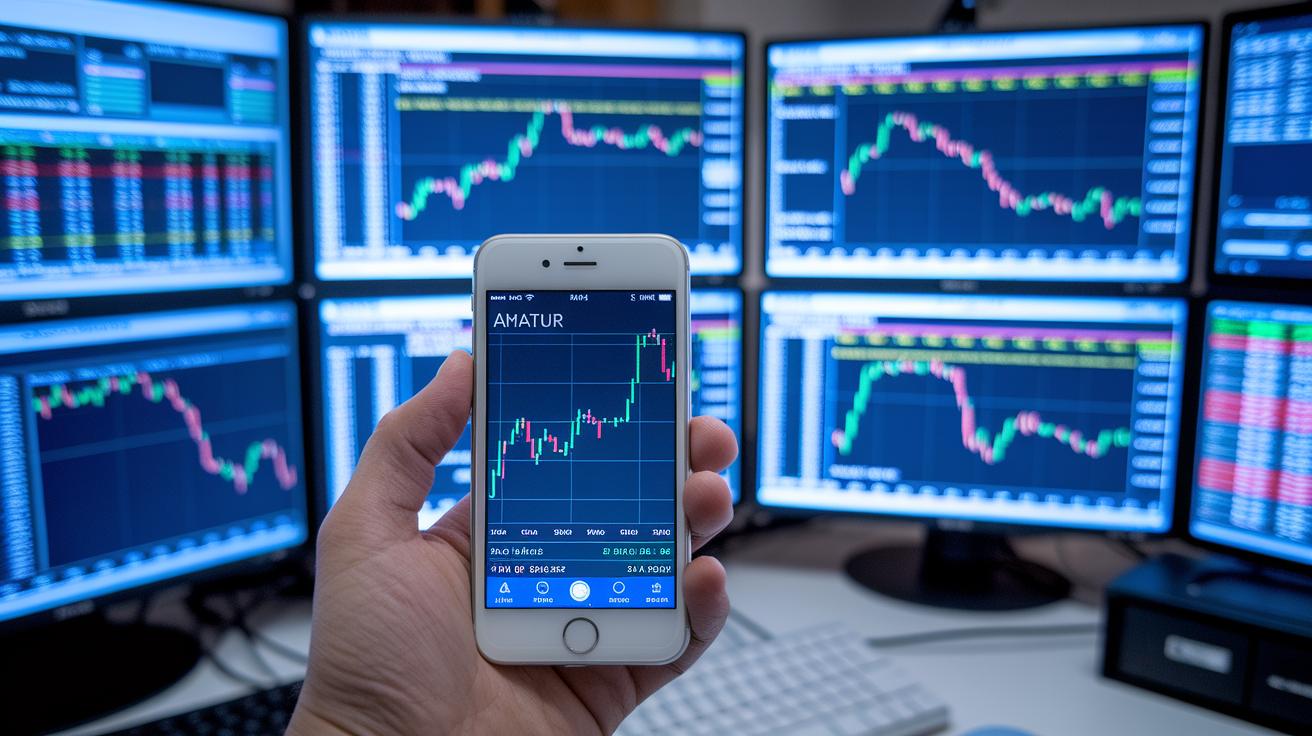
Think of stock market futures as an early window into the day’s trading. They give you a sneak peek at what investors expect before the U.S. market officially kicks off at 9:30 ET. For instance, on August 29, 2025, when the Dow Jones futures dipped at 8:13 AM ET, it was a sign that traders were worried about upcoming inflation numbers, especially the PCE figures. Even before the trading bell rings, these futures are already reacting to global news, Fed updates, and other economic signals.
Investors love watching these live contract signals because they offer clear hints of where the market might head once stocks start trading. It’s a bit like checking the forecast before you head out, if you know a storm is coming, you can plan ahead. When futures drop, it often means that traders expect a softer start to the day. On the flip side, rising futures usually point to a stronger market vibe.
Most digital trading platforms make it easy to track these trends. The steady movement in futures tells a lot about overall market ups and downs. Before the U.S. open, the futures market acts as a quick pulse check showing investor feelings tied to big events like Fed inflation data. These live updates help investors adjust their game plan early, whether that means buying, selling, or hedging their portfolios based on the expected market action.
Stock Market Futures Fundamentals: Contracts, Margins, and Trading Hours

Futures are a type of promise where you agree to buy or sell an index at a price you decide on today, even though the actual trade happens later. Think of it like setting a price for your favorite item now so you know exactly what to expect when it arrives. It’s a simple way to plan ahead with your money.
Most futures markets run almost non-stop during the week on online platforms, often commission-free. This means you can jump in and react to world events at almost any time, keeping you in touch with the global news that might affect your investments.
The cool part is the low margin requirement. Instead of needing half your money upfront like with many stocks, futures usually require only 3% to 12% of the contract’s value. Imagine being able to control a large slice of the market with just a small piece of your cash, that’s the power of capital efficiency in futures trading.
Every day, at the close of trading, your gains and losses are tallied up so your account is always spot-on. Plus, there’s a nice tax twist: profits are treated with a blend of long-term and short-term rates, which can work in your favor. This daily update and favorable tax setup help keep things clear and manageable.
Comparing Futures and Stocks: Exposure, Capital Efficiency, and Tax Benefits

When you buy stocks, you're buying pieces of a company that can go up or down like the weather. Futures, on the other hand, give you a stake in a whole market index, so you're really getting the big picture. It's a bit like choosing between a single ice cream flavor and a taste of the entire sundae.
Futures let you put in much less money up front, sometimes just 3% to 12% of the contract’s total value. This low barrier means you can have a larger market position with a smaller amount of cash. But, like riding a roller coaster, that extra thrill comes with risks; if the market takes a sharp turn downwards, you might lose more than what you first put in.
These contracts can serve two purposes: they help you protect your stock portfolio or allow you to take a more adventurous, speculative approach. There’s also a tax advantage, futures gains are taxed under a mix of long-term and short-term rates using a 60/40 rule, which many find attractive.
- A way to tap into broad market trends
- Lower margin requirements that come with higher risks
- Dual use for both hedging and speculation
Ever wonder how this setup might help you diversify your investments?
Major Index Contracts in Stock Market Futures: S&P 500, Dow Jones, Nasdaq
S&P 500 futures give you a peek at how 500 of the biggest U.S. companies might perform. They show the overall mood of the market much like checking a pulse. When these contracts rise or fall, it usually means investors have new ideas about company earnings or the economy. For example, a quick shift in these futures can signal that shoppers are buying differently or that energy prices are changing.
Dow Jones futures track 30 well-known industrial companies and tend to react right away to important economic news. On August 29, 2025, these contracts dropped just before the Fed announced inflation numbers, showing how a fresh piece of data can sway investor feelings. Many traders watch these trends because they reflect shifts in time-tested industries and offer clues about blue-chip stock movements during the trading day.
Nasdaq-100 futures cover 100 tech-focused companies and move fast when tech giants like Nvidia and Micron experience changes. When big tech news hits, these futures jump into action, picking up on everything from trade decisions to economic reports. It’s an easy way to see how global events stir up interest and energy in the market.
- Looking at these three contracts together gives a clear, layered view of market sentiment.
- Each index helps us understand how major economic events can steer trading momentum.
By keeping an eye on these contracts, traders often get a better feel for where stocks might head once the U.S. market officially opens.
Global Trading Sessions and Their Impact on Stock Market Futures

Global trading hours play a big part in shaping U.S. stock market futures before the regular day begins. Asian markets, like those in Australia and New Zealand, kick off as early as 18:00 ET and keep running until around 03:00 ET. During this time, local news and changing moods among investors start to set the stage. For instance, when Asian exchanges post strong job data or manufacturing numbers, it can be an early sign that the world economy is doing well.
Then, European markets open at 03:00 ET, overlapping with the early U.S. session. This period is important because European trading adds extra detail to the overall picture for U.S. pre-market feelings. It’s a bit like passing a baton: Asian markets give the first signal, and European traders pick it up and run with it as U.S. traders start their day.
Political events, economic news, and currency swings in these regions add extra twists to the mix. International risks or new policies overseas can cause big changes in U.S. futures.
| Event | Impact |
|---|---|
| Asian markets | Set the early tone. |
| European trading | Builds momentum. |
| Global events | Affect U.S. futures pricing. |
This mix of activity from around the world offers a clear view of what to expect in U.S. stock market futures before the trading day truly gets underway.
Stock Market Futures: Bright Trading Momentum Ahead
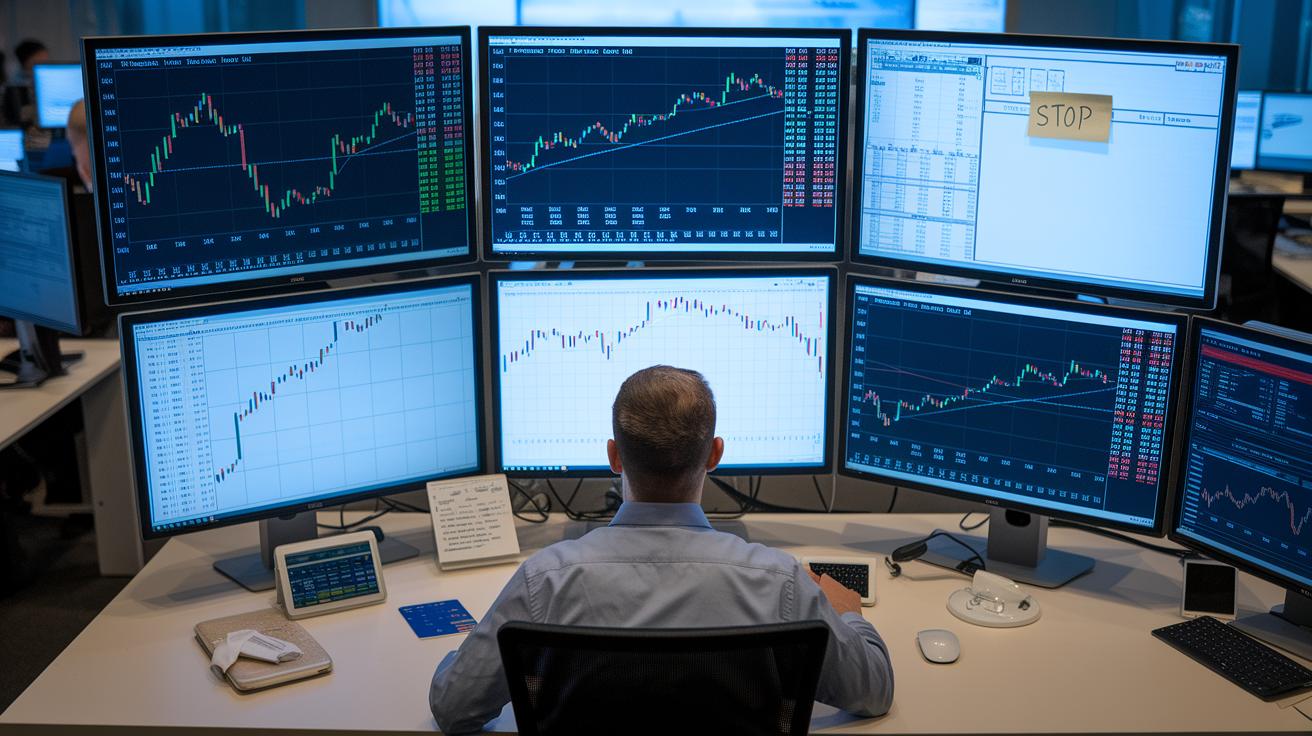
Trading futures is a smart way to handle risk and grab short-term opportunities. Many traders use these contracts to protect their stock portfolios, much like picking up an umbrella when you expect a rain shower.
Some traders like to chase quick gains by watching market signals and simple patterns. Imagine seeing fast moves in stocks like Nvidia and Micron in the AI sector and using that energy to make swift trades. It’s a bit like noticing the pace of a dance and joining in, but you must set clear limits, just like deciding how many slices of pizza are just right for you.
Managing risk is key. Traders often set stop-loss orders to limit how much they could lose on any trade. These orders work like safety nets that catch you if things go sideways, helping to keep losses small when the market gets rough.
- Futures can protect your stock investments from downturns.
- Quick trades can come from watching live market signals.
- Keeping a close eye on your position size helps control risks.
- Stop-loss orders act as safety nets to prevent big losses.
Even though the use of leverage in futures trading can make things more exciting, it calls for real discipline. Missing a margin call, for instance, could force you to close out your position. So, staying on top of your risk management is essential to keep that trading momentum bright and steady.
Settlement, Expiration, and Regulatory Framework for Stock Market Futures
Every trading day, futures contracts are refreshed through a process called mark-to-market. This means that any gains or losses from your contracts are figured out daily. Clearinghouses take care of these updates so your account always shows the latest value of your trades. You can think of it like checking your bank balance after a big purchase, it helps keep things clear and prevents surprises.
Standard index futures usually come to an end every three months. As a contract nears its expiration, many traders decide to roll over their position into a new one. This rollover can shift the type of contract you hold and bring a little extra risk, much like changing lanes in heavy traffic. Timing here is important for managing your overall strategy.
Regulatory bodies, such as exchange authorities and the CFTC, set the rules that guide these trades. They decide things like the minimum money you need to keep on hand, what information must be reported, and the limits on your positions. These guidelines work with the safety net provided by clearinghouses, which also back you with performance bonds if a trading partner falls short.
- Daily mark-to-market settlements
- Quarterly expiration cycles
- CFTC and exchange reporting standards
- Clearinghouse risk protection
Final Words
In the action, our article showed how stock market futures signal market direction with clear pre-open insights. We broke down the basics, from trading mechanics to margin requirements and the comparisons between stocks and futures. Global sessions and their impact, along with practical trading strategies such as hedging and managing risks, were also discussed. This clear explanation makes it easier to see how smart decision-making in stock market futures can boost your financial vision. Keep these ideas in mind as you move toward a more secure financial future.
FAQ
What do stock market futures for tomorrow indicate?
The stock market futures for tomorrow show investor sentiment before the U.S. open by reflecting overnight global market movements and expected economic data updates.
What do Nasdaq futures reveal?
The Nasdaq futures reveal anticipated performance for technology-focused indexes. They provide early insight into how tech stocks might react to international events and key economic figures.
How do Dow Jones futures reflect market trends?
The Dow Jones futures reflect investor expectations for major industrial companies. They indicate how key economic data and global news might shift pre-market activities.
What do stock futures for Monday suggest?
The stock futures for Monday suggest how indices could perform at the week’s start. They incorporate the effects of overnight international trades and upcoming economic reports.
How is the stock market today represented by futures?
The stock market today is represented by live index futures data, offering clues to overall market direction through pre-market trading signals influenced by global and domestic events.
What does live Nasdaq futures data provide?
Live Nasdaq futures data provides real-time signals on tech-heavy index movements. It helps traders understand short-term trends driven by international developments and economic news.
What do oil futures track?
The oil futures track expected crude oil prices by reflecting shifts in supply and demand along with geopolitical influences that shape the commodity market.
How do S&P 500 futures indicate market sentiment?
The S&P 500 futures indicate market sentiment for large-cap U.S. companies. They quickly mirror responses to economic reports and global events to provide a snapshot of expected market performance.