
Ever wonder if a country's growth can be summed up in just five simple steps? Rostow's idea shows how small farming communities slowly grow into modern places with all the comforts we enjoy today.
He developed this model during a time of big global debates, and his plan breaks down how an economy can change over time. Today, we're going to chat about each step and see how small changes can lead to big economic shifts.
Stick around and let’s explore how these ideas can help us make sense of the world around us.
Model Overview and Academic Foundations of Rostow’s Growth Theory
Rostow’s theory explains how countries grow and change in steps that are easy to follow. Back in the 1960s, in his book The Stages of Economic Growth: A Non-Communist Manifesto, he described how nations move from a way of life based on farming to a society where most people can buy modern goods. The idea comes from modernization theory and was shaped by the heated talks of the Cold War era. In simple terms, Rostow believed that every nation goes through a similar path, although the timing and speed can be very different.
The model breaks down economic development into a clear process:
- Traditional Society
- Preconditions for Take-Off
- Take-Off
- Drive to Maturity
- High Mass Consumption
At first, communities relying on basic farming start gathering resources and building up a small class of entrepreneurs. With time, these changes spark fast industrial growth and the rise of cities. New technologies and a variety of industries begin to flourish, turning simple economies into more modern ones. This framework not only gives us a peek into how economic progress has been viewed over time, but it also helps us see the similarities and differences between various countries and regions. It remains a handy guide for looking back at growth trends and talking about future economic plans.
Traditional Society Phase in Rostow’s Economic Growth Model
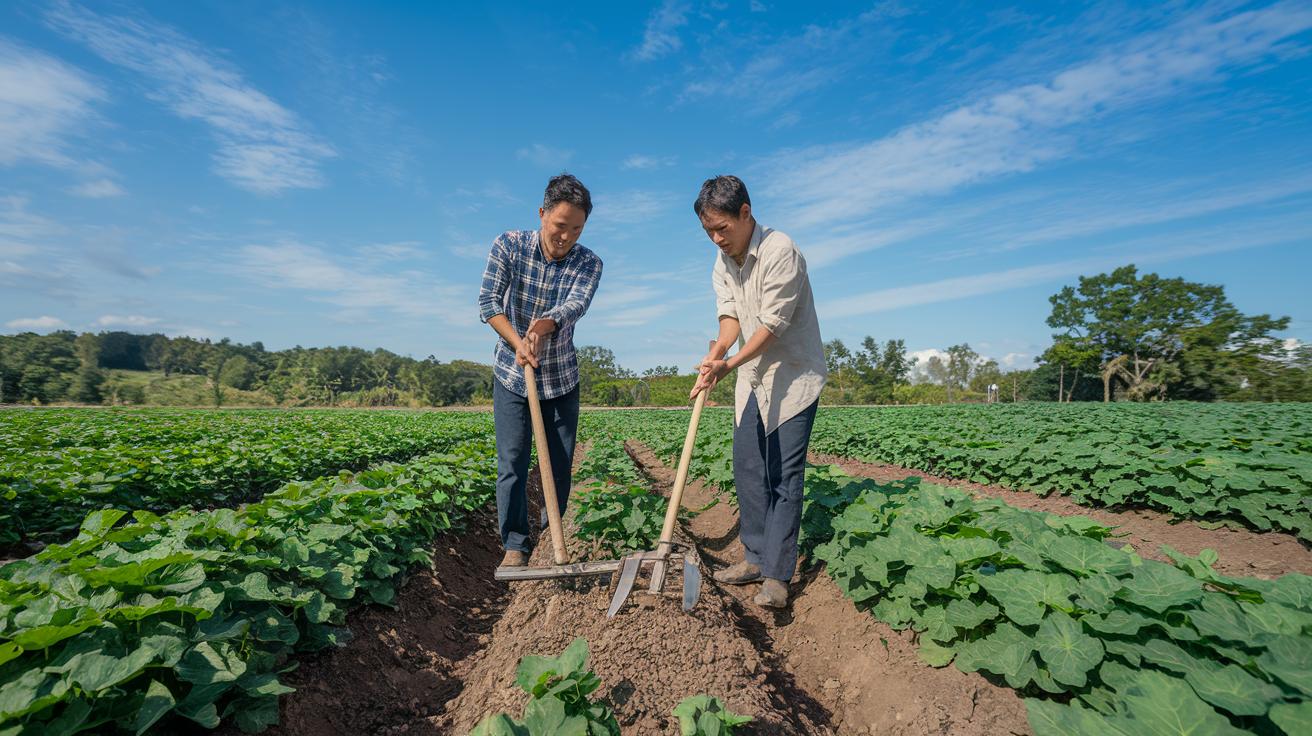
At this stage, communities focus on farming and using local resources to meet everyday needs. They work mostly for themselves, creating just enough to survive with very little extra for trade or big investments. Most of what they produce is done with simple, homemade tools that have been passed down through generations. This means new ideas and improvements come slowly, if at all. The goal here is simply to get by day to day, not to scale up production or drive technological change.
Key points of this phase include:
- Relying on subsistence farming: Families grow food mainly for their own meal, with little left over for market trade.
- Limited trade and industry: There isn’t much buying, selling, or manufacturing happening.
- Using basic tools and traditional methods: Production methods stay the same over time, with technology seeing few updates.
- Tying life closely to the land: Daily work and community life depend heavily on local resources and long-standing customs.
Imagine a small village where each family tends to a bit of farmland with hand tools, growing only what they need. It’s a clear picture of how daily life and economic activity stick to the local scene.
Preconditions for Take-Off in Rostow’s Growth Stages
At this stage, communities see big changes that pave the way for industrial growth. People move away from relying solely on subsistence farming and begin shaping a lively, modern economy. Money saved and reinvested into the community fuels modern production and helps open up new markets. Meanwhile, a fresh group of local business owners starts taking risks to create new opportunities. Farming methods improve a lot, increasing yields in ways that traditional ways never could. Better roads, upgraded ports, and similar projects make it easier for goods, people, and ideas to move around. New tools like mechanized farming and railways help speed these changes, aligning the economy with modern practices.
Key parts of this stage include:
- Capital accumulation: Putting profits back into projects that spark growth.
- Rise of an entrepreneurial class: Local business owners stepping in to create economic chances.
- Higher agricultural yields: Better farming methods that lead to more produce.
- Infrastructure investments: Upgraded roads, ports, and facilities that boost business.
- Adoption of new technologies: Machines and transport systems reducing manual work and speeding progress.
Imagine a small town where farmers start using tractors instead of hand tools. It sets off a chain reaction of excitement and progress, laying the groundwork for a thriving industrial future.
Take-Off Stage: Dynamics and Metrics in Rostow’s Framework

During this phase, a country's industries light up, which kick-starts steady growth. In simple terms, investments over 15% of GDP create a strong base for more advances in manufacturing. Cities grow quickly too, with urban areas expanding by around 3% every year. In many cases, new sectors like textiles and steel pop up, hinting at a move toward using more types of production methods.
As more money goes into building businesses and the government supports industry, productivity climbs and fresh opportunities open up. It's like watching a quiet town transform into a lively hub of factories and busy trade. These clear, measurable signs show that the country is moving from old ways to modern, efficient production that helps improve everyday lives.
| Indicator | Typical Value | Example Country |
|---|---|---|
| Sustained Manufacturing Growth | Investment over 15% of GDP | South Korea |
| Rapid Urbanization | About 3% annual increase | China |
| Emergence of Key Sectors | Active textile and steel industries | Taiwan |
| Rising Capital Formation | More domestic investments | Brazil |
Each of these points makes it clear that an economy quickly shifts gears from old, traditional ways to a more modern, industrial one. Picture a sleepy town suddenly bustling with factories and busy markets. It’s a powerful sign that things are changing fast and that better times are ahead for many people.
Drive to Maturity: Structural Evolution in Rostow’s Growth Stages
At this point, economies begin to expand beyond their early industrial work, laying a wider and sturdier foundation. Countries start embracing new technologies that boost productivity and create higher-quality products. These improvements help shift output toward high-value manufacturing and services. Better roads, reliable power grids, and upgraded transport networks make it easier to keep industries humming along.
Now, economic policies turn their focus to reaching global markets. Local companies work hard to become competitive overseas by modernizing their operations and exploring new sectors that promise extra value. As businesses branch out, workers pick up fresh skills to handle modern machines and tools, gradually moving from simple manual tasks to more technical roles.
This stage marks a big shift in the way economies work. With exports growing and industries getting stronger, nations gain a firmer footing in today’s global market. The rise of specialized manufacturing and services paves the way for balanced growth, more global trade, and better living standards. It’s a clear sign of a maturing economy prepared to face modern challenges.
High Mass Consumption: Features of Rostow’s Final Growth Stage
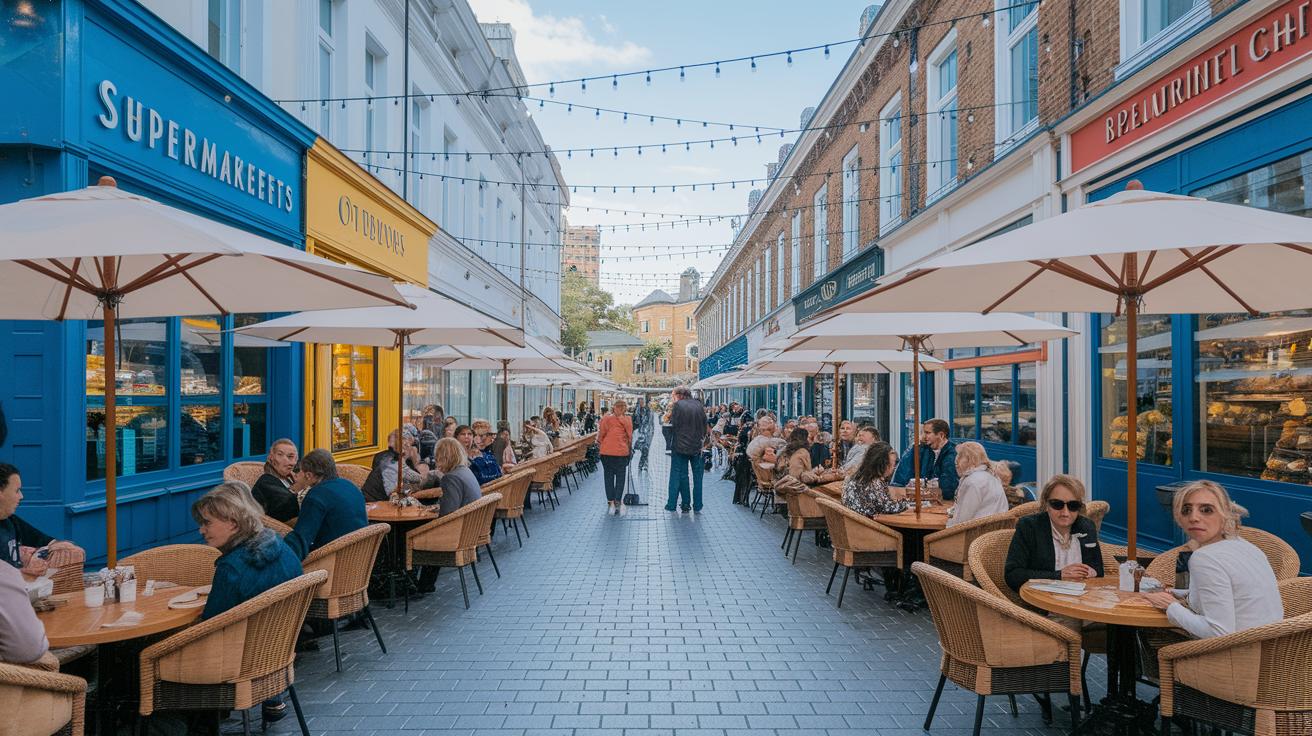
In this final phase, economies start enjoying higher incomes for most people, and buying things becomes a big part of everyday life. Countries turn their focus from heavy industry to the things we use every day, like cars, refrigerators, and even computers. Local stores and service providers, whether in healthcare, education, or entertainment, begin to shape how the economy works. Plus, government support makes sure that more people can benefit from these changes.
Everyday life in these economies feels more comfortable and secure. Picture strolling down a street lined with modern supermarkets, digital shops, and cozy cafés. Every part of this community works together like pieces in a puzzle to boost the overall living experience. With better income and smart policies in place, people not only have more cash at hand but also enjoy a lifestyle that shows just how much society has transformed.
Critiques and Comparative Analysis of Rostow’s Five-Phase Framework
Many experts have been questioning Rostow’s way of showing economic development as one smooth, straight path. They say it makes growing a country seem too simple. In real life, a nation’s growth is full of twists, unexpected stops, and even cultural changes.
Some people think the model leans too much on Western ideas, as if the same steps would work for every country. This view leaves out important details, like local politics, culture, and nature, that really shape a country’s progress. It’s like trying to wear the same shoe on every foot.
On the flip side, other ideas, such as dependency theory and endogenous growth models, see growth as a bit more bumpy and tailored to each place. These theories say that both what’s happening inside a country and the effects of the world economy play big roles. They offer a broader look at how economies actually grow over time.
Relevance of Rostow’s Stages in Modern Economic Analysis

Researchers and policymakers now see Rostow’s work as a handy guide for understanding how economies change today. They look at real data, like how much money people earn on average and the mix of industries, to see how countries evolve from early growth to markets driven by consumers. This helps leaders decide on projects for better roads, energy, and more.
Today, experts don’t just count dollars. They also check on the environment and community well-being. This mix gives a fuller picture of growth that cares about our planet. In developing nations, this approach paints a clear picture. For example, analysts keep an eye on:
- Changes in GDP per person and the move from factories to service jobs.
- Big projects in transportation and energy as signals of progress.
- How adopting new technology and local creativity boosts growth.
- Comparisons of job quality and care for nature with traditional growth numbers.
By updating Rostow’s model with today’s facts and broader measures, researchers now have a tool that blends the past with the present. This fresh view helps leaders in both growing and mature economies set smart goals and build strategies that support steady, balanced progress.
Final Words
In the action, the blog post outlined the five phases of economic progress, starting with a snapshot of traditional society and then moving through critical transition points like preconditions for take-off, industrial take-off, and the drive to maturity. It explained how economies shift to high mass consumption and discussed the debate around this model. We’ve seen clear examples and comparisons that help simplify complex economic ideas. Embrace these insights to better understand the rostow stages of economic growth and feel empowered about your financial future.