
Have you ever wondered if managing your money can be as simple as following a recipe? A clear budget plan shows you exactly where your money goes every month. When you break down your earnings and spending, you quickly see any gaps between what you expected and what really happened.
This smart, simple plan puts you in control and helps you build better money habits over time. Let’s take a look at a practical example that shows how one easy-to-use template can make budgeting feel friendly and effective.
Personal Budget Example: A Monthly Income and Expense Template

This budgeting tool shows you a sample take-home pay of $4,000 and breaks it down into simple expense groups. It helps you see where your money goes each month, from steady bills like Rent/Housing and Utilities to more flexible costs like Food and Entertainment. If you want more tips, check out a detailed guide at https://niftycellar.com?p=389.
| Category | Budgeted Amount | Actual Spending | Variance |
|---|---|---|---|
| Rent/Housing | |||
| Utilities | |||
| Transportation | |||
| Food | |||
| Personal Care | |||
| Entertainment | |||
| Debt Payments | |||
| Savings | |||
| Miscellaneous | |||
| Total |
Fill in this table by writing down both your estimated and actual spending each month. Compare your planned budget with what you really spent to spot any differences, so you know if you're overspending or saving well. Tweak your spending habits based on these insights and watch your money management improve over time.
Building Your Own Personal Budget Example: Step-by-Step Guide

Budgeting can seem easier when you break it down into clear, simple steps. When you follow a plan, you feel more sure about where your money is going. Think of it as building a strong base for your financial future.
First, figure out your net income. This is the money you actually receive after taxes and other deductions. For example, if you take home $4,000 each month, that is your starting point. Then, watch how you spend your money over a few weeks. You might use an app, a spreadsheet, or just pen and paper. This helps you see exactly where your money goes.
Next, divide your spending into two groups. One group is for fixed costs like rent and utilities. The other group is for flexible costs, like food and fun outings. Then, set goals that make sense. You could plan to save for something small soon, like a new computer, and also work on a big goal like saving for retirement or college. This turns numbers into real things that matter to you.
After that, decide on a budgeting method that fits with how you live. You might try the 50/30/20 rule, the envelope system, a zero-based budget, or paying yourself first. This helps you split your money between everyday needs and future plans. For more tips, you can check out how to budget at https://niftycellar.com?p=77.
Finally, take a look at your budget often. If your income goes up or you face unexpected costs, adjust your plan. This keeps your financial strategy current and working well for you.
Customizing Your Personal Budget Example to Your Goals

Connect your budget to what really matters in your life. If you’re aiming to save for a new car or knock out a loan, try setting aside a portion of your pay just for that. Automatic transfers can do wonders too, they help you chip away at debts while slowly growing your savings. It’s a simple way to give every dollar a purpose that fits your day-to-day needs.
Next, build a little safety net. Think about saving up enough to cover three to six months of your regular expenses. Having this emergency fund in a separate account can really help when life throws a surprise your way.
As your life changes, so should your budget. Maybe you’re planning on buying a home or preparing for new family expenses. Tweak your spending categories to cover those changes. Whether you share accounts as a couple or manage finances separately, keeping the conversation clear is key. And if your income increases or unexpected costs arise, don’t hesitate to give your budget a little update to keep everything in line with your priorities.
Finally, make it a habit to review your budget regularly. A few small changes here and there can go a long way, ensuring your financial plan stays on track as your goals and needs evolve.
Excel Budgeting Sample for a Personal Budget Example
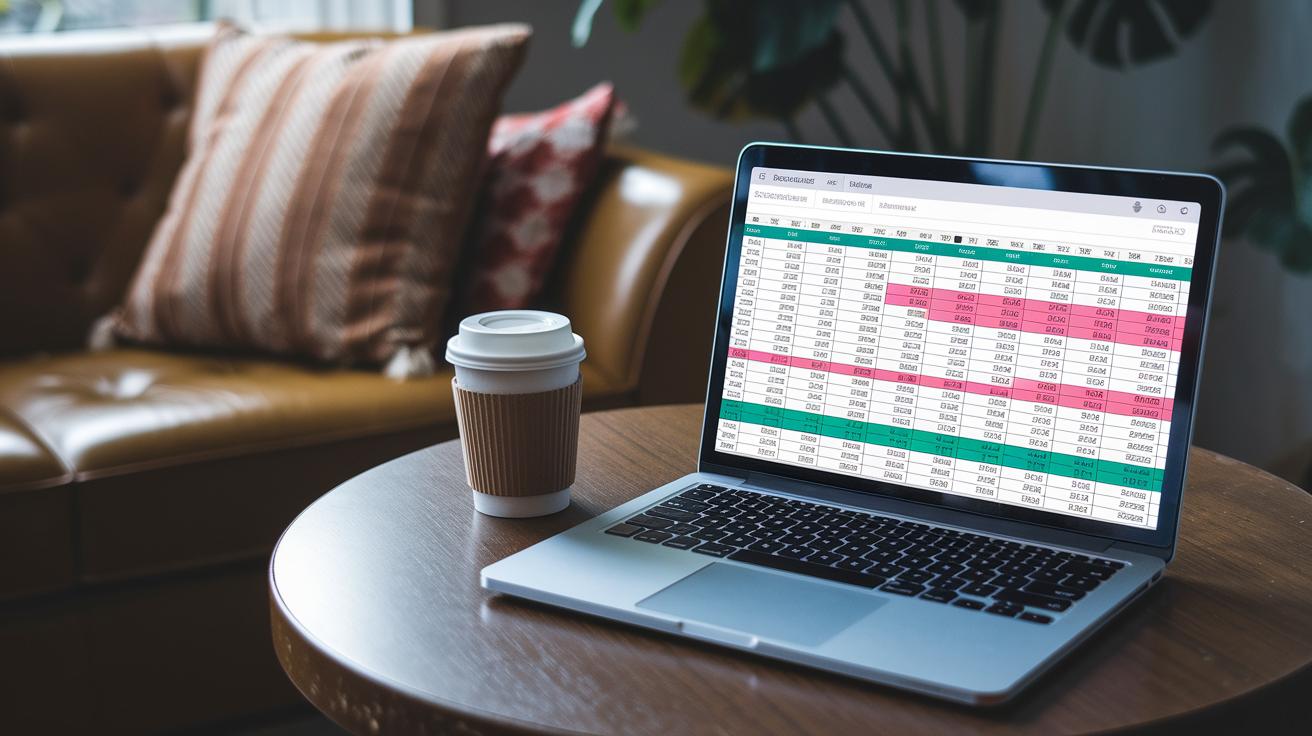
Using a spreadsheet to handle your budget makes it simple to keep track of your spending and see where you stack up against your plan. A spreadsheet automatically calculates totals and differences so you can focus on making smart money choices without getting tangled up in the math.
Set up your spreadsheet with clear columns like Category, Budgeted, Actual, Variance, and Month-to-Date. For example, list items like Rent, Utilities, Food, and Entertainment down the first column. Then, in the Budgeted column, type in your planned amounts while the Actual column shows what you really spend. To check the difference, you can use a quick formula like =B2-C2 for each category, and then add up everything with a formula such as =SUM(B2:B10). This approach instantly tells you which areas are on track and which might need a little adjustment. The Month-to-Date column helps you stay on top of your spending as the month goes on.
When you build your Excel budget, think about adding conditional formatting to catch any overspending right away. This neat trick highlights expenses that go over your limit. Plus, there are plenty of free templates online that can make setting up your budget even easier. Using one of these templates can save you time and help you learn the best way to organize your finances so you can see exactly where you stand.
Common Pitfalls and Tips for Your Personal Budget Example

Budgeting isn't one size fits all. It can save you money and reduce stress when you know what to watch out for. Knowing where things might slip can help you build a budget that really works.
Sometimes, it's easy to forget about small daily extras like a coffee run or a quick snack with friends. Other times, we skip saving for rainy days or miss keeping track of costs that change from month to month. Even those little $20 treats can add up, showing you a chance to boost your savings.
Try spending a few minutes every week to check your spending. Write down both the regular bills and the variable costs. For example, if you budget $150 for dining out but end up spending $200, note that down and tweak your plan for next month. Routine check-ins, especially when your income changes or unexpected expenses come up, help keep your budget in line with your goals.
Final Words
In the action, this blog walked through a clear personal budget example that outlines a monthly income and expense template, showing how to manage everything from fixed bills to everyday spending. We broke down each step, from setting up your template in Excel to spotting common mistakes, all while keeping your financial goals in focus. Every tip is here to boost confidence and empower you to take charge of your finances. Keep moving forward with a smart, simple plan!
FAQ
Frequently Asked Questions
What is a personal budget example PDF?
A personal budget example PDF serves as a downloadable guide that outlines monthly income and expenses, helping you visualize your cash flow and set a clear structure for managing money.
What is a personal budget example for students?
A personal budget example for students tailors the budgeting process to lower incomes and simple expense tracking, offering a clear layout for managing tuition, supplies, and living costs.
What is a personal budget example Excel?
A personal budget example Excel file provides a spreadsheet layout with columns for categories, amounts, and variances, enabling automatic calculations and easy modifications of your monthly finances.
What is a simple personal budget example?
A simple personal budget example highlights basic income and expense categories, presenting a straightforward list that helps you track spending without overwhelming details.
What is a monthly expenses list sample?
A monthly expenses list sample itemizes recurring costs such as rent, utilities, and groceries, offering a clear view of where your money goes each month to aid in better financial planning.
What is a budget template?
A budget template is a pre-formatted guide that outlines income, fixed and variable expenses, and savings, making it easier for you to start tracking your money effectively.
What is a simple budget template Excel?
A simple budget template Excel provides an easy-to-use spreadsheet that organizes your income and spending, complete with built-in formulas to help you monitor financial goals.
How do you make a monthly budget?
Making a monthly budget involves listing your net income, categorizing fixed and variable expenses, and setting aside funds for savings, giving you a clear picture of monthly cash flow.
How do you write a personal budget example?
Writing a personal budget example means outlining your net income and categorizing your expenses into fixed and variable groups, then setting clear spending and saving targets to maintain balanced finances.
What is the 50/20/30 rule for your money?
The 50/20/30 rule for your money directs 50% of income to needs, 20% to savings and debt, and 30% to wants, offering a simple framework to manage spending and saving.
What is a good monthly budget for one person?
A good monthly budget for one person depends on individual income and expenses, focusing on a balanced approach where each dollar is assigned to essentials, savings, and discretionary spending.