
Have you ever thought saving money was something only a few people could get right? It really isn’t a secret. A good plan is like a map that shows you exactly where your dollars should go each month. Picture it like making a blueprint where every dollar has a clear, important job.
By setting a specific savings goal and keeping track of your spending step by step, you can start taking charge of your money in a way that feels real and doable. It might seem simple, but little by little, you build the kind of confidence that makes reaching your financial goals feel possible.
Why not give it a try today? Saving doesn't have to be complicated. With a clear plan, it can become a steady, rewarding habit that lifts your entire financial outlook.
Actionable Steps to Build Your Money Saving Plan

A good money saving plan starts with a clear map that shows how you'll manage your income and expenses. You can use free budget templates or even a simple paper list. This way, you see exactly where your money goes every month, and it feels like drawing a blueprint for your finances where every dollar has a role.
Next, try setting clear savings goals that match your needs. Whether you’re trying to boost your retirement fund, chip away at your debt, or save up for holiday gifts, having a target makes your plan real. Budget apps can be a huge help, too, they let you track your spending and adjust your approach whenever you need.
- Make a budget using free templates or simple paper lists to track your income and expenses.
- Set clear savings goals that fit your priorities, whether it’s for retirement, debt payments, or even a special treat.
- Use a budget app to keep an eye on your monthly spending so you know exactly where your cash flows.
- Consider opening a high-yield savings account that offers 4.65% APY on deposits up to $250,000 for the first six months, then 4.00% after that.
- Automate transfers from your checking to your savings account to build funds for emergencies, a down payment, or paying off debt.
- Pay off high-interest debt faster by making extra payments, which can help reduce the total interest you end up paying.
Sticking to a regular routine is key. Regular budget check-ups and automatic transfers keep your plan on track. Even if you hit small bumps along the way, every step builds your financial confidence and helps you stay disciplined about saving.
Customizing Your Money Saving Plan for Weekly, Monthly, and Annual Goals
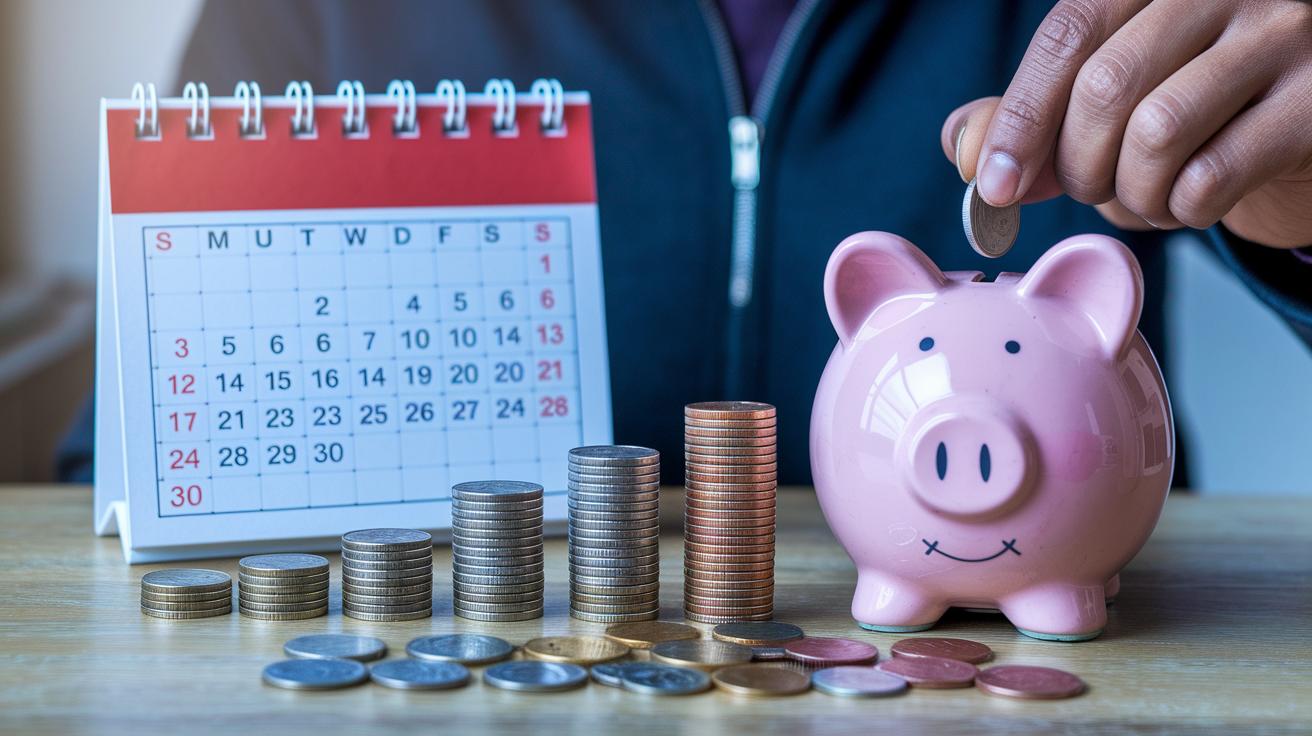
Every week, try setting aside a little cash, even spare change, from your checking into your savings. This pay-yourself-first method is a small step that builds real momentum. Even saving just a few dollars can add up over time, making your saving habit feel both achievable and rewarding.
Each month, consider putting aside a set percentage of your income. Many banks let you schedule automatic transfers from your checking to your savings. This simple trick keeps your plan on track without extra reminders, helping you steadily build an emergency fund, cover unexpected costs, or save for something special.
Once a year, step back and review your financial progress. Take time to build an emergency fund that covers 3–6 months of your expenses, and then think about any changes in your income or spending habits. Adjust your deposit amounts as needed so your plan stays flexible and useful. This regular check-in not only strengthens your savings strategy but also boosts your confidence when facing bigger challenges.
Budget Optimization Guide for Your Money Saving Plan

Optimizing your budget is a smart way to keep more cash in your pocket. When you plan your spending, even small changes can add up over time and boost your financial confidence. It's like laying a solid foundation for a more secure future, step by step.
- Make a grocery list before you shop. This simple step keeps you focused and stops impulse buys.
- Use coupons and join loyalty programs to save around 20% on food costs. Imagine clipping a few coupons and watching your savings grow each week.
- Review your subscriptions and cancel any you no longer use. Cutting out unnecessary monthly fees can save you anywhere from $50 to $100.
- Consider switching to a cheaper cell phone plan or call your provider to negotiate a better rate. A quick conversation might free up extra cash.
- Lower your utility bills by using energy-efficient bulbs and programmable thermostats. These upgrades not only save you money but also make your home a bit greener.
Taking a focused approach to your budget can really pay off over time. By trimming everyday expenses, you create more room for savings and build steady financial confidence.
Automating and Tracking Your Money Saving Plan

Setting up automated transfers makes saving simple. You choose a fixed amount and let your bank move it from your checking account to your savings account regularly. It’s an easy way to stick to your savings goals without any extra fuss. And with budget apps sending you alerts and sorting your spending, you always know where your money goes.
Digital tools can really simplify tracking your cash. Think of savings calculators and spreadsheet budgets that break things down clearly. For example, online banking apps can show how your savings grow and let you know if you spend too much. They help you keep an eye on your spending, schedule transfers, and plan for big goals like an emergency fund or a down payment.
Make it a habit to check your digital dashboards often. When you review app summaries or your spreadsheets regularly, you can spot overspending right away and adjust your budget on the spot. This lets you fine-tune how much you deposit and how you organize your spending. In time, these little tweaks build a smarter system that boosts your financial confidence and helps you handle any shifts in your spending habits.
Integrating Debt Repayment into Your Money Saving Plan

Paying down your debt can really boost your financial confidence. When you put extra money toward high-interest balances, you end up paying less interest overall. This extra cash can then boost your savings or fund other goals. By making debt repayment a key part of your money-saving plan, you build a clear path that not only lowers your expenses but also strengthens your overall financial picture. Every extra dollar you use to reduce debt is another step toward a more secure and controlled financial future.
For those struggling with student loans, consider adjusting your repayment plan according to your income or family needs. It might ease your monthly payments.
If you own a home, you could also explore refinancing your mortgage when rates fall. This simple move might save you hundreds every month.
Measuring and Adjusting Your Money Saving Plan

Keep an eye on your key numbers like how much you're saving, the size of your emergency fund, and how close you are to your goals by checking your monthly spending using a budget app. Think of these apps as a digital checklist, like ticking off every item when you shop for groceries. A quick review every week keeps you aware, so you can change things quickly if your spending starts to stray.
Stick to simple, clear savings targets. Pick easy measures, like the slice of your income you put into savings, and keep track step-by-step. It’s a lot like following a recipe; every part is important to get the best result.
Go over your deposits and spending limits by comparing your numbers with your goals. If your emergency fund isn’t growing as you hoped, try adding a bit more. And if you're overspending in some areas, consider cutting back. For example, if your savings rate is lower than it should be, shift money from less important expenses to boost your savings. This steady approach helps build your wealth over time.
Final Words
In the action, you’ve explored a clear path to building and fine-tuning your money saving plan. We broke down budgeting basics, goal setting, clever cost-cutting, automation tools, and smart debt repayment. Each part helps you stay on track and make adjustments as needed.
This plan is designed to boost confidence and provide practical steps for lasting financial strength. Keep moving forward with steady progress and watch your financial future brighten.
FAQ
How does a money saving plan calculator or example work?
The money saving plan calculator shows a practical formula to track your progress. It uses clear examples that help you set targeted deposit amounts and reach your savings goals.
How do clever ways to save money and top money-saving tips benefit me?
Clever ways to save money involve budgeting, cutting unnecessary expenses, and automating transfers. These tips not only build a financial cushion but also ease money stress.
What is the 50 30 20 rule for savings?
The 50 30 20 rule means using 50% of income for essentials, 30% for wants, and 20% for savings or debt. This rule helps balance spending and savings efficiently.
How can I save $10,000 or $5,000 in 3 months?
Saving $10,000 or $5,000 in three months requires a strict budget, reduced expenses, extra income, and scheduled transfers, so you can meet clear, aggressive targets.
What makes a good savings plan or the best plan to save money?
A good savings plan matches your income with clear goals. It combines budgeting, automated transfers, and regular reviews to steadily build a strong financial base.
How can students and future savers effectively save money?
For students and future savers, tracking spending, setting attainable weekly or monthly goals, and using simple budget apps create a solid start that grows with your income.
How should I invest money to get good returns?
Investing for good returns means choosing low-cost index funds or high-yield savings options. Learn about risk, reward, and seek advice from trusted financial sources for smart choices.
What benefits do money saving apps offer?
Money saving apps track spending, set budgets, and automate transfers. They offer real-time insights and alerts, making it easier to manage expenses and meet your savings targets.