
Have you ever wondered how a simple chart can show you the real picture behind the prices we pay? This inflation graph tells a clear story. It shows how steady years suddenly turned wild during the pandemic, much like when a sudden rainstorm changes a clear day. As you look closer, you'll see these trend lines mirror changes in your wallet, explaining how unexpected shifts in the economy affect everyday costs.
inflation graph: Captivating Trend Lines
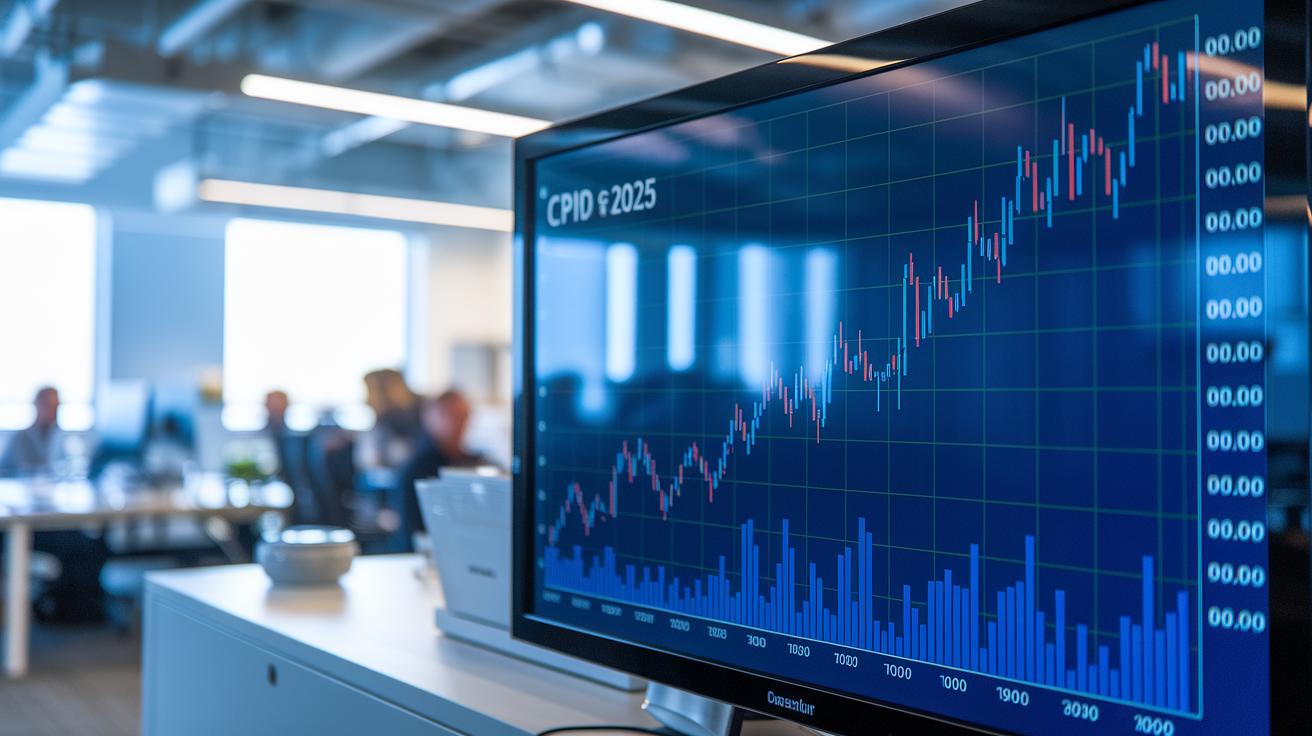
The chart shows time growing from 2000 to 2025 across the bottom and the CPI percentage on the side. It paints a clear picture of how prices changed over these years.
From 2000 up until 2019, prices stayed roughly the same, hovering around 2.1%. This was a time when the economy grew slowly and prices moved predictably. Then COVID-19 hit, and things changed fast. The graph jumps to show a spike that reached 9.0% in June 2022 as the economy faced sudden shocks. Soon after, inflation dropped back down to 2.4% by March 2025. It’s a reminder that big events can quickly shift economic trends.
- Early 2000s were set by the dot-com boom.
- The 2008 crisis brought its own financial changes.
- Stable years from 2017 to 2019 kept rates at about 2.1%.
- The pandemic pushed the numbers sharply to 9.0% in June 2022.
- Post-pandemic, there was a slow move back to 2.4% by March 2025.
Keep an eye on these key turning points. Seeing when and how the shifts happened can help you understand the effects of policy changes, market ups and downs, and other unexpected events on our everyday costs.
Inflation Graph Methodology and Data Sources
We start by being clear about our sources. Truflation collects daily inflation numbers from over 200 free public sources using crypto-inspired methods. This means every data point on our graph comes with honest, verifiable numbers you can trust. We turn raw figures into clear graph points, as explained in our Quantitative Data Analysis Methods (https://clientim.com?p=1553).
- CPI (BLS)
- PCE (Fed)
- Producer Price Index
- Survey forecasts
- Labor market stats
Core inflation is measured using a weighted median of regional bank rates, which gives you a steady look at the growth of prices over time by smoothing out temporary bumps. On the flip side, headline inflation shows immediate changes day by day, capturing the hustle and bustle of the market. Together, these two lines let you see both long-term trends and real-time shifts.
The interactive chart lets you adjust date ranges and add extra economic indicators, so you can easily explore how inflation trends change over time.
Historical Inflation Graph Trends: 2000 to 2025

We’re taking a closer look at the graph by breaking down different phases without repeating the main numbers.
Pre-Pandemic Stability
Between 2000 and 2019, prices grew steadily at about 2%. It was like planning your monthly budget knowing costs rarely jumped, a simple, predictable pattern that made life easier.
Pandemic Surge Period
From January 2020 to June 2022, prices spiked up to around 9.0%. Think of it like an unexpected storm that suddenly turns a calm day into a wild, unpredictable ride, driven by health scares and supply problems.
Post-Pandemic Adjustment
From July 2022 until March 2025, inflation eased to roughly 2.4%. This change came as steps were taken to cool down the earlier spike. Imagine the calm after a storm, where things slowly settle back into balance.
| Period | Average Inflation Rate | Key Drivers |
|---|---|---|
| 2000–2019 | About 2% | Steady growth and predictable prices |
| Jan 2020–June 2022 | Peak of 9.0% | Health issues and supply disruptions |
| July 2022–Mar 2025 | Approximately 2.4% | Policy measures and easing pressures |
Drivers Behind Inflation Graph Movements
Understanding what drives inflation lets us grasp why prices change in our economy. When we break it down, a few key factors show us not just when inflation shifts, but also how different parts of the economy shape those trends.
• Long-term expectations: Think about it, forecasts dropped from 2.95% in late 2022 to 2.3% by early 2025. This change means that how people view future prices can influence their spending and saving habits.
• A tight labor market: In March 2025, the ratio of job openings to unemployment was 1.1, much higher than the usual 0.6. This tightness means there’s more pressure on wages, which can raise prices.
• Sudden shocks: Quick jumps in areas like energy and cars can push the overall inflation number up, even when most parts of the economy stay steady.
These factors work together to shape the inflation curve. What people expect often guides how they spend money, while a tight job market can boost production costs. And sudden changes in important sectors add unexpected spikes that pull the trend in new directions.
Looking ahead, as these forces balance out, we might see the inflation path become smoother and more predictable. Have you ever noticed how things calm down after a rough patch? That’s the hope for our inflation trends. For a wider view, check out Trends in the US Economy.
Interactive Inflation Graph Tools and Long-Term Projections

Truflation offers a set of easy-to-use dashboards and apps that bring live inflation data right to you. Recent updates, like the UK index refreshed in May 2025 and US figures from January 2025 and October 2024, ensure you always have the latest numbers. They even feature a special GameFi Index released on July 29, 2025, for anyone interested in the gaming token market. Plus, you can play around with forecasts for the next 10 years using our projection tool. Have a look at our 10-year inflation tool here: https://niftycellar.com?p=364.
- Date-range slider to change your view
- Forecast model that shows possible future values
- Sector filters to zoom in on specific areas of the market
- Exportable visuals for your records or presentations
These smart features let you try out different scenarios to see how various economic changes might shape your future. Give it a try, adjust the settings and watch the numbers shift over the next decade. It's a hands-on, friendly way to plan ahead.
Final Words
In the action, the article took you through a detailed look at the inflation graph, from the steady pre-pandemic phase to the surge and then the easing period. We broke down the data sources, explained essential drivers, and previewed interactive tools to help you make smarter money decisions. The insights offered make it simpler to understand price trends and the key events that shaped them. Embrace the clarity of the inflation graph to boost your financial confidence and keep moving forward with a positive spirit.
FAQ
Q: What is today’s current inflation rate?
A: The today’s current inflation rate is shown using the latest official data on our graph, which updates daily with trusted numbers.
Q: What does the U.S. inflation graph show?
A: The U.S. inflation graph shows a timeline from 2000 to 2025, displaying monthly and yearly inflation trends along with key spikes like the 2022 peak.
Q: Is U.S. inflation declining?
A: The U.S. inflation trend indicates a decline after the high spike in mid-2022, with rates gradually stabilizing in recent months.
Q: When was the worst inflation in U.S. history?
A: The graph indicates the worst inflation in modern times peaked at 9.0% during the pandemic surge in June 2022, marking a significant historical high.
Q: How much is $1 worth with inflation?
A: The value of $1 changes over time due to inflation; our calculator helps you see how its purchasing power shifts when compared to past inflation rates.
Q: How do inflation rates affect the economy and investments?
A: Inflation rates influence the global economy by impacting consumer costs, interest rates, investment returns, and the overall health of the stock market, altering financial decisions.
Q: How is inflation connected to monetary policy?
A: Monetary policy, including interest rate adjustments, directly ties to inflation levels as central banks work to balance inflation with economic growth.