
Have you ever felt like managing your money is a puzzle with too many pieces? A simple household budget might just be the solution you need. When you jot down all your income and expenses, you begin to see exactly where your money is going. Imagine planning out every dollar like setting aside spots for each part of your day, but still saving room for unexpected treats. Today, let's chat about a straightforward zero-based budgeting method that can help you take control of your spending and grow your financial confidence, one small step at a time.
Creating a Zero-Based Household Budget
Start by writing down every source of income coming into your home. It could be your main paycheck, freelance gigs, or any side hustle. Picture it like gathering puzzle pieces to form your financial picture. For example, you might note, "I make $3,000 a month from my job and another $500 from weekend work."
Next, take a look at your bank and credit card statements and list all your expenses. Write down fixed costs like your mortgage or car payment and variable costs such as groceries, entertainment, or fuel. You can use a simple handwritten list or a spreadsheet. A friend once told me that seeing all your spending on paper gives you a crystal clear view of your money habits.
Now, subtract your expenses from your total income. The goal is to have your spending match your income almost exactly, while leaving a small cushion of about $100 to $300. This little buffer is there for any surprises, like an unexpected birthday gift or new sports gear.
It’s a smart move to check your spending throughout the month. Look at your bank account weekly and update your list. Even on special occasions or holidays, tracking every purchase helps ensure nothing slips through the cracks.
Finally, be ready to adjust your budget when needed. If a one-time expense comes up, move money from one category to another until everything lines up. Each small tweak builds your financial confidence and creates a strong foundation for handling your household money.
Tracking Expenses in Your Household Budget

Check your bank, credit card, and online statements every week. This daily check helps you catch everything, from your morning coffee to any unexpected online orders. For instance, you might see a few extra charges you hadn’t planned for. Noticing these surprises lets you adjust your spending and feel more in control.
Digital tools can make tracking a breeze. Many apps list your expenses in real time and send alerts when you're nearing your budget limit. Imagine an app that sorts your purchases automatically, almost like giving each expense its own little tag. It makes it easier to see where every dollar goes.
If you prefer doing things by hand, that works just fine too. Simply write down each purchase in a notebook or a simple spreadsheet and compare it with your bank statements later in the week.
- Check your statements every week.
- Note every expense, however small.
- Use digital tools to get spending alerts.
- Cross-check your notes with your bank records.
Taking these steps regularly builds a clear picture of your household spending. It boosts your financial awareness and gives you the confidence that every dollar is accounted for.
Monthly Breakdown: Home Spending Analysis for Your Household Budget
When you break your money down each month into simple groups, you can see how your spending stacks up against national averages. Many budget tools show numbers for things like donations, debt payments, and everyday costs. They help you notice if you’re spending more than similar households. For instance, while many families spend around 10% of their money dining out, you might be hitting nearly 15%. That little insight makes it easier to figure out what could use a tweak.
Take a moment each month to look over your categories. Jot down your totals for must-haves like groceries, utilities, and transportation. Then, compare your numbers to the suggested averages from your calculator. You might discover that your spending on fun or subscriptions is a bit high. It’s interesting that many families find trimming non-essential expenses can open up extra cash for savings or paying down debt.
Stick to a simple routine: list your monthly expenses, compare them with national benchmarks, and mark areas that might need a little adjustment. Make a list:
- Categorize your expenses.
- Compare actual spending with average norms.
- Spot any overages and think about realistic cuts.
- Plan an annual review to fine-tune your spending habits.
This hands-on look at your budget not only boosts your money confidence but also builds a balanced spending plan that gets even better over time.
Household Budget Templates and Spreadsheet Models
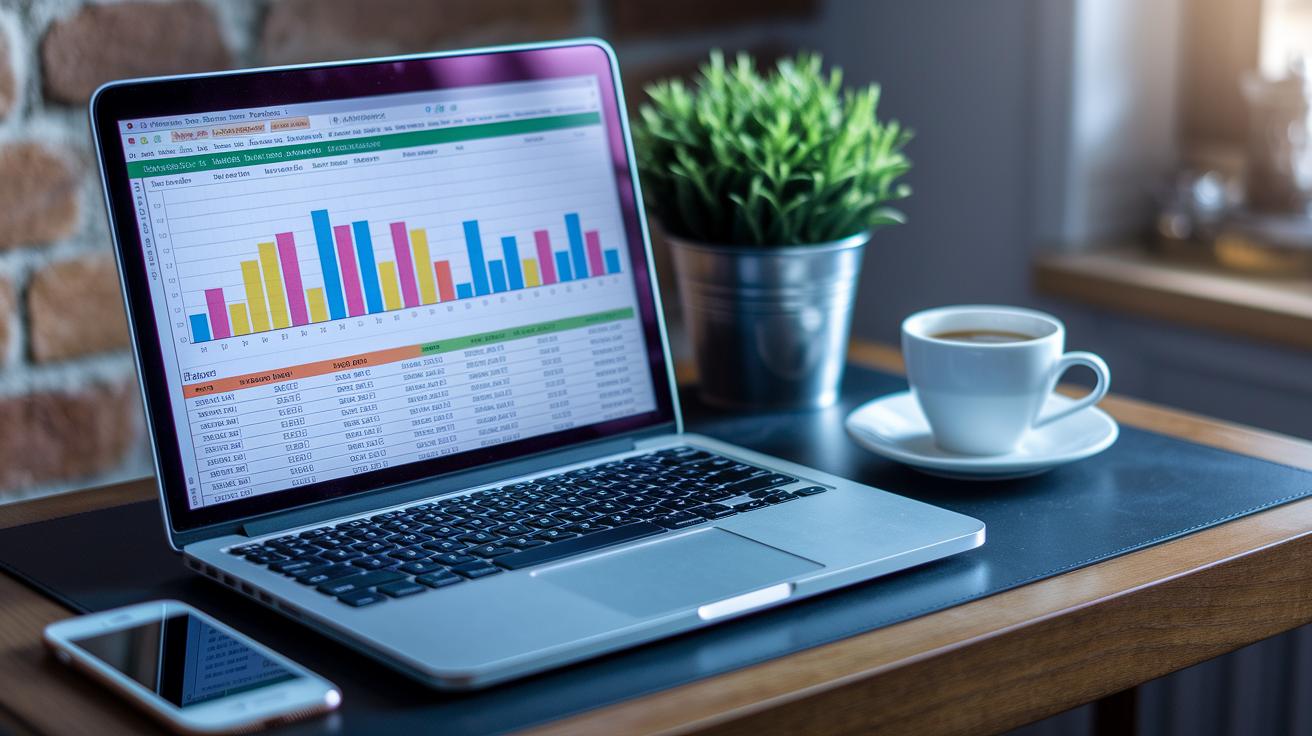
Budgeting doesn’t need to be a nerve-wracking task. Using ready-made templates makes it as simple as following a friend’s advice. I remember a buddy saying an Excel template felt like having a mini assistant to sort out his money.
There are lots of choices here. You can stick with Excel’s familiar feel or try out Google Sheets for even more convenience. Just add your income and expenses, and let the built-in formulas do the heavy lifting.
| Platform | Feature |
|---|---|
| Excel | A flexible tool to track income and expenses |
| Google Sheets | An online, real-time collaborative tool |
Think of these templates as a sturdy blueprint for your financial plan. Start with basic categories like groceries, bills, and a little fun. Then, tailor the numbers and formulas to fit your own money story. Check in on it regularly to feel more in control.
This approach not only organizes your finances but also makes handling money feel clear and manageable, just like chatting with a friend who truly understands your financial goals.
Household Budget: Boost Your Financial Confidence
Think of your income like a big pie that you share among three slices. With the 50/30/20 rule, you spend half on essentials like rent, bills, and groceries. Then, you use 30% for fun things that lift your spirits. The remaining 20% goes into saving money or paying off debt. So, if you earn $2,000 after taxes, try to spend about $1,000 on basics, $600 on things you enjoy, and $400 on saving or reducing debt.
This method gives you simple limits to work with. Of course, you might need to adjust these percentages based on your personal situation or where you live. Living in an expensive area might mean your essentials take up more than half of your money. But if your basic costs are lower, you can boost your savings and feel more secure about your future.
- Spend on basics, treats, and savings.
- Keep an eye on your spending and tweak these amounts as needed.
- Use this clear-cut approach to manage your money and feel confident with every choice you make.
Imagine it as making space on your plate for every part of your life – a simple, smart way to take control of your finances.
Household Budget: Boost Your Financial Confidence

Creating a budget isn’t a one-off deal, it’s something you keep fine-tuning to take control of your money and meet your shared goals. Begin by setting clear targets with everyone involved. Maybe you’re saving up for a fun family trip or building a little fund for those unexpected repair bills or celebrations. For example, you might say, "Let’s put an extra $50 aside each month in case something pops up."
Keep the conversation rolling with monthly budget meetings. These check-ins let you see where your money is going and let you adjust as needed. You might chat with your partner about ways to cut back on dining out or shift funds to boost your savings. And when your kids earn money from commission-based chores, they get a hands-on lesson in budgeting while helping out with family goals.
Reviewing your spending together every month helps everyone stay involved and feel good about the choices you make. As your needs change, you can tweak your spending and saving amounts to keep up with life. A bit of effort today can lead to more security and peace of mind for your whole household tomorrow.
Annual Review and Long-Term Planning for Your Household Budget
Each year, gather your family for a special budget day. Bring everyone together to review what you all earn and plan for big expenses ahead. It’s a great chance to see if your spending matches your dreams and prepare for changes. For instance, you might say, "How about we sit down in January to go over our income, expenses, and planned purchases like a new appliance or home repair?"
While you're at it, try using some easy financial calculators. They can show you how your money might grow for things like investing, saving for retirement, mortgages, or loans. Imagine entering your details into a tool that maps out where your funds could be in the future. This clear picture can help you set realistic goals and steer clear of surprises later on.
Remember to include tax preparation in your review. Before tax season hits, gather your records and check for any changes that could affect your filing. This proactive approach not only makes the process smoother but might even uncover deductions you hadn’t thought of. It keeps your budget in sync with both your yearly goals and tax needs.
- Plan a yearly budget meeting.
- Use financial calculators to map out future spending.
- Set specific targets for major purchases.
- Get your tax documents ready ahead of time.
Taking the time each year for this review builds confidence in your financial decisions and keeps your family ready for both regular costs and new opportunities.
Final Words
In the action, this piece walked through setting up a zero-based household budget, tracking every expense, and breaking down monthly spending. It shared ready-to-use templates and explained the 50/30/20 rule for clear fund allocation. The article also offered ways to adjust spending and save more, rounding off with tips for annual planning. All these steps are designed to make your financial planning straightforward and approachable, empowering you to take control of your household budget with confidence and ease. Enjoy building a solid financial future!
FAQ
What are household budget templates, planners, and calculators?
Household budgeting tools include templates, planners, and calculators that organize your income and expenses. They come in ready-to-use Excel or PDF formats and help you track spending, set goals, and maintain financial balance.
What is a good budget for a household?
A good household budget matches your income with expenses, savings, and a little extra for fun. It reflects your unique costs and goals, often following guidelines like the 50/30/20 rule.
What does the 50/20/30 budget rule mean?
The 50/20/30 rule means dividing net income into three parts: 50% for essentials, 20% for savings or debt, and 30% for wants. This approach helps keep spending in check while planning for future needs.
What is the 70/20/10 rule for money?
The 70/20/10 rule suggests using 70% of income for daily living costs, 20% for savings or debt payments, and 10% for discretionary spending. This split provides flexibility while emphasizing saving.
What is a normal budget for a house?
A normal household budget balances essential expenses, savings, and discretionary spending. It is tailored to your income and lifestyle, often using common budgeting principles to keep finances clear and manageable.