
Ever feel like your money disappears before you can even blink? Envelope budgeting is like giving every dollar a job to do. Imagine dividing your income into different piles, rent, groceries, fun, and setting a clear limit for each. It’s a simple way to watch your spending and gain confidence with every decision you make. In this post, we'll chat about how organizing your cash can keep you on track and help you feel more secure with your money.
How Envelope Budgeting Works to Manage Your Cash

Envelope budgeting splits your monthly income into clear spending categories like rent, groceries, and entertainment by placing cash in separate, labeled envelopes. You list out your income and fixed costs such as rent, utilities, and transportation, then set aside money for extras like savings and debt repayment. This way, each envelope holds cash only for its specific use, and if one runs out, you simply can’t spend more than planned.
The core idea is simple: use only the money in each envelope to cover its assigned expense. Sticking to this rule helps build discipline and keeps your spending in check.
This straightforward method lets you physically see your money, making it easier to avoid overspending and unnecessary debt. It’s like having a visual reminder of your budget limits. For example, if you set aside $50 for fun outings and only $10 remains, buying that concert ticket isn’t an option, you’ve reached your limit.
Imagine using envelopes and, in just three months, one person saved enough to cover an unexpected car repair. That’s the empowering side of envelope budgeting: it gives you control over your money in a clear and simple way, just like organizing your expenses to match your life’s needs.
Envelope budgeting: Boost Financial Confidence
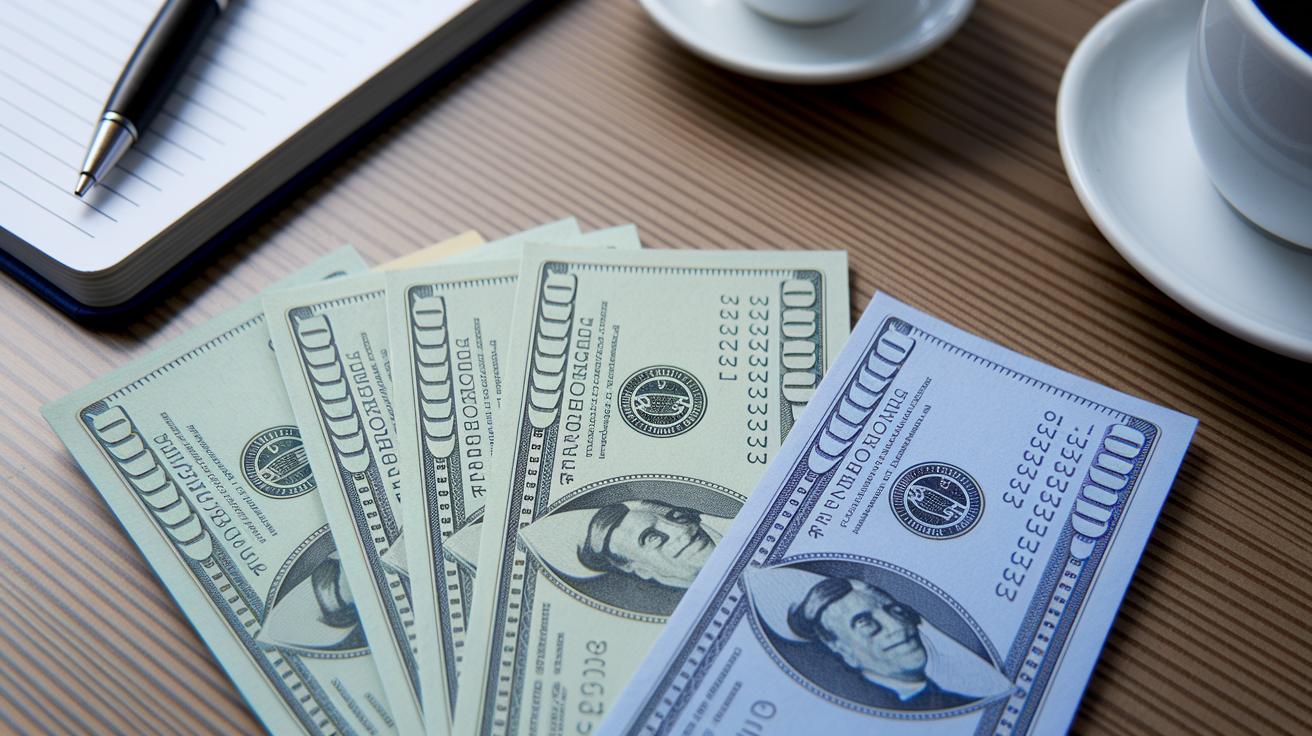
Start by building your own physical money organizer. You take your monthly income and split it into cash envelopes for different spending needs. This simple method makes sure you only spend what you have, keeping your spending steady and under control.
Step 1: Create Your Budget Plan
Write down how much money you get each month. List fixed costs like rent and utilities, and add flexible expenses such as groceries and gas. Don’t forget to save a bit or cover any debts. Think of it like planning a picnic, you jot down every item so nothing gets forgotten.
Step 2: Label and Fund Your Envelopes
Choose 5 to 10 common ways you spend money. Get some envelopes or little pouches and give them names like rent, groceries, utilities, fun, transportation, and savings. Then, put the right amount of cash into each one. It’s like setting aside cash for a coffee break, simple limits help you avoid surprises later.
Step 3: Monitor Spending and Refill
Check your spending daily or weekly. Once an envelope is empty, you stop spending in that category until your next cycle starts. It’s much like watching your car's fuel gauge, you don’t want to run out when you need to go.
| Category | Envelope Label | Purpose |
|---|---|---|
| Rent | Rent | Cover monthly housing costs |
| Groceries | Groceries | Purchase food and essentials |
| Utilities | Utilities | Pay bills (water, electricity, etc.) |
| Transportation | Gas/Transit | Fill up or public transit fares |
| Entertainment | Fun | Dining out, movies, and leisure |
| Savings/Debt | Savings | Emergency fund or debt repayment |
Practical Examples of Envelope Budgeting in Real Life

Sarah is a single mom with two young kids who uses envelope budgeting to stretch her limited income. Every week, she gives each child a $10 allowance and sets aside $2 in separate envelopes for must-pay costs like rent, food, and utilities. This simple method not only helps her kids learn about handling money but also keeps her spending on track.
Many families mix envelope budgeting with the 50/30/20 rule to make decisions easier. In this approach, they use 50% of their money for essentials like housing and groceries, 30% for fun expenses like dining out, and the remaining 20% for savings or paying off debt. With a clear, physical amount in each envelope, it's easy to see if you've gone over. For example, if the envelope for entertainment started with $40 and now holds only $15 after a few outings, you know you should hold off on more spending until the next cycle.
Handling cash in this way is a natural check on overspending. When you literally hold your money, every dollar spent reminds you of your limits. This hands-on experience can really curb impulse buys, making envelope budgeting a practical, everyday tool for keeping your finances in line.
Pros and Cons of the Envelope Budgeting System

Envelope budgeting gives you a clear view of where each dollar goes and helps you stick to your spending plan. It’s a handy method for keeping costs in check while also demanding a bit of extra discipline.
Here’s what makes it work well:
- Better spending control: Using cash means you only spend what you have.
- Fewer impulse purchases: Seeing your money run low can make you think twice before buying.
- Avoiding extra fees: When you pay with cash, you sidestep bank overdraft or credit card charges.
- A clear visual check: Each envelope shows you exactly how much money is left.
- Hands-on money management: Handling cash can make you more aware of your spending limits.
On the flip side, there are a few challenges:
- Extra bank trips: You might need to visit the ATM or bank more often.
- Cash risks: Carrying cash comes with the chance of loss or theft.
- Missing out on card perks: Paying with cash means you won’t earn rewards or enjoy fraud protection.
- Team effort needed: The system works best when everyone in the household sticks to the plan.
- Limited wiggle room: Once an envelope is empty, there’s little room for unexpected expenses.
In short, while envelope budgeting is a tried-and-true way to manage your spending and stay mindful of your money, it also requires a bit of extra care. You have to decide if the benefits of handling cash outweigh the hassle of more bank visits and missing credit card rewards.
Best Practices and Tips for Successful Envelope Budgeting

Let's keep managing your cash simple and straightforward. Combine smart envelope budgeting ideas with a few handy tips like using an extra envelope for surprises and checking in every week.
-
Start by spotting where you tend to overspend, then set firm cash limits. Imagine your wallet as a grocery list; each envelope helps keep your spending in check.
-
Use one extra envelope to cover sudden costs. This keeps your other envelopes undisturbed.
-
Each month, update your envelope labels so they match your current spending needs and priorities.
-
Make it a habit to check your envelopes every week. Look at your cash, see how you're doing, and adjust if needed.
-
Stick strictly with cash. Mixing in digital payments can throw off the control you have over your budget.
-
If you really need to move some cash around mid-cycle, do it only when necessary to keep yourself on track.
-
Plan ahead for seasonal expenses. For more ideas, check out holiday expense tracking methods and extra budgeting tips.
Following these steps helps you build a reliable cash management routine. Regular reviews and thoughtful tweaks keep your budgeting both flexible and focused, turning every envelope into a tool for smarter spending.
Digital vs. Physical: Envelope Budgeting Tools and Templates

Deciding between paper and digital methods really comes down to what feels right for you. If you love a tactile, hands-on approach, a paper envelope system lets you see and feel your cash. It’s like watching your money slip away, one envelope at a time, without worrying about digital interruptions. On the other hand, digital tools offer a speedy setup with online templates that are easy to tweak, making your budget neatly organized on screen.
Digital tools make setting up your budget a breeze. They let you customize virtual envelopes so you can clearly track your spending, and you don’t have to physically handle cash. But, there’s a catch. When your cards are linked, it’s easy to spend more than you planned. And let’s be honest, a screen just doesn’t provide the same satisfying weight of cash in your hand.
Using physical envelopes brings a different kind of comfort. Holding cash can really show you where your money is going. It encourages you to think twice before spending, as you’re literally watching your stash shrink. However, you might find yourself making extra trips to the bank, and there’s always a small worry about cash getting lost or stolen. Plus, adjusting your budget on the fly isn’t as quick as it is digitally.
If you’re still torn, why not try a free budget planning printable template online? It can give you a blend of both worlds, letting you enjoy the ease of digital tools while keeping a bit of that tangible, old-school feel.
Final Words
In the action, we broke down how envelope budgeting divides your income into labeled cash portions for spending, savings, and bills. We covered how to set up your envelopes, shared practical examples, weighed the pros and cons, and offered best practices to stay on track. We even looked at digital tools versus physical methods for managing your cash. With envelope budgeting, you get a clear view of your money and greater control over your spending. Keep experimenting with these steps and watch your financial confidence grow.
FAQ
What are envelope budgeting apps, and can they be free?
Envelope budgeting apps simulate splitting cash into separate pockets for each expense. They often offer free versions so you can track your spending limits digitally without paying extra fees.
How does an envelope budgeting template help manage cash?
An envelope budgeting template lays out your income and expense categories clearly. It helps you allot money into virtual envelopes, making it easier to see your available cash and avoid overspending.
What are the benefits and drawbacks of envelope budgeting?
Envelope budgeting benefits you by clearly showing available funds and curbing impulse spending. On the flip side, it means more cash withdrawals and potential risks associated with carrying physical money.
How does envelope budgeting relate to banking?
Envelope budgeting ties in with banking by requiring regular cash withdrawals from your account. This hands-on process means managing money outside digital services, which can offer a clearer picture of your spending.
How does envelope budgeting compare to zero-based budgeting?
Envelope budgeting physically divides cash into separate piles for spending, while zero-based budgeting assigns every dollar a job on paper or digitally. Both methods help balance income and expenses, but they work in different ways.
What is the envelope method of budgeting?
The envelope method of budgeting involves allocating cash into envelopes labeled for specific expense categories. You spend only what is in an envelope, which helps regulate your spending and avoid running out of money unexpectedly.
How can you save $10,000 in 3 months with 100 envelopes?
Saving $10,000 with 100 envelopes means assigning precise amounts to various spending and saving categories. This approach forces you to be mindful of every dollar, gradually building up your total savings over three months.
Does the envelope system really work?
The envelope system works by limiting spending to available cash, making your expenses tangible. Many users find it effective for reducing impulsive buys and keeping a close eye on how every dollar is spent.