
Ever wondered how a country becomes a global champion? India and China show us what bold growth really looks like. Their rapid progress comes from smart choices and steady change that open doors for both everyday people and investors. These stories make you ask, what sparks big shifts in our world economy? Today, we're taking a closer look at these emerging markets and exploring the key ingredients behind their impressive gains.
Key Emerging Market Examples and Country Case Studies
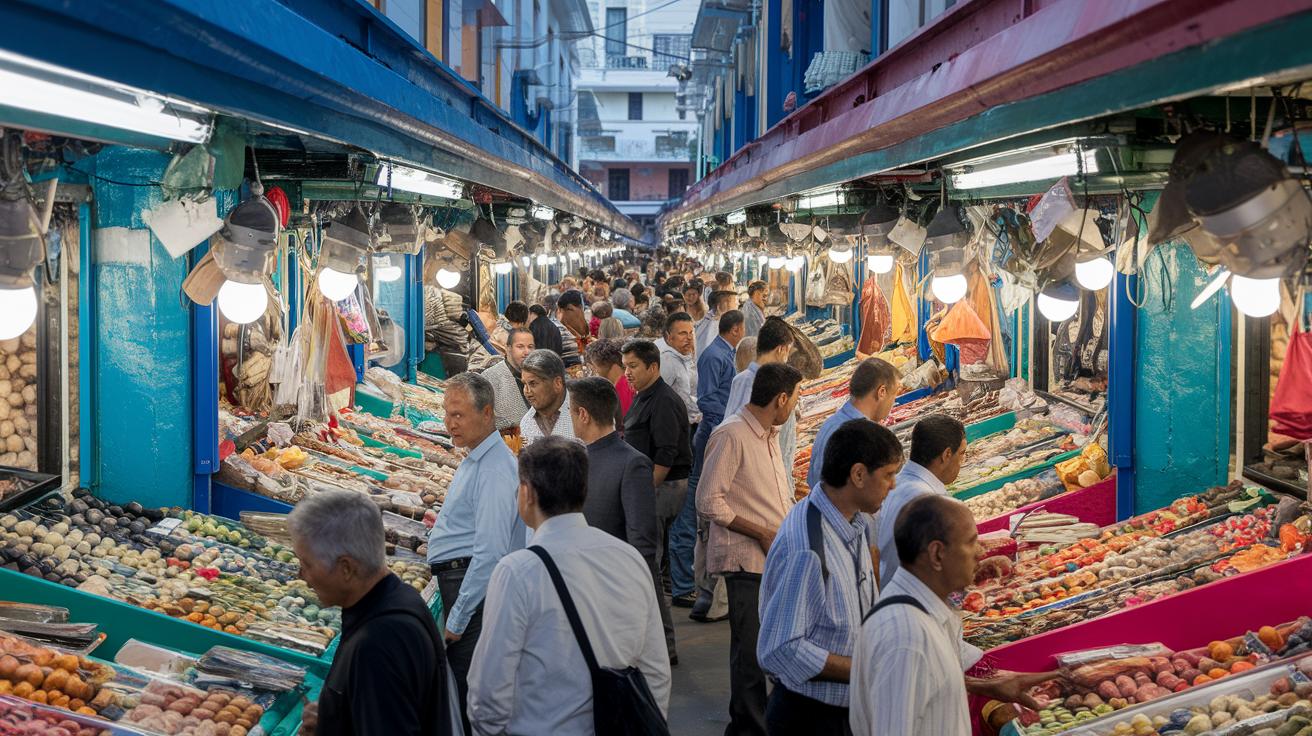
Emerging markets are countries moving from developing to more advanced economies. These nations are growing fast, changing their systems, and opening up many market opportunities. They show us how smart policies, strong demographics, and new ideas in different sectors can build a powerful economy.
India
India has seen amazing growth over the years. Its economy grew from around $2 trillion in 2014 to nearly $3.9 trillion in 2024. Thanks to new policies like "Make in India" and a huge population of about 1.4 billion people, it enjoys what experts call a strong demographic bonus. Imagine a small business growing quickly because it finds a huge group of customers, that’s a lot like India’s rising economy.
China
China's economic story is impressive too. In 2024, its GDP reached $18.3 trillion, fueled by steady growth averaging 5.9% per year since 1978. By focusing on export-led manufacturing and continuously updating its policies, China has managed to secure a major spot in global trade. Think of it as a giant workshop that keeps upgrading its machines to meet a growing demand.
Brazil
Brazil reminds us that economies can bounce back from tough times. Its GDP was about $2.5 trillion back in 2014. The country faced a setback during a recession in 2015–16, but by 2024, it had nearly recovered to $2.2 trillion. Picture a rollercoaster that dips low before climbing to steadier heights, that’s Brazil’s economic journey in action.
Mexico
Mexico has also shown steady progress. Its GDP increased from $1.4 trillion in 2014 to roughly $1.9 trillion in 2024. A strong manufacturing base and active trade deals have helped fuel this growth. Imagine a well-oiled engine where every part works together to boost overall performance, that’s the story of Mexico’s economy.
Comparative Economic Indicators in Emerging Market Examples

Have you ever looked at a country's numbers and wondered what they really say about its future? Economic indicators give us a simple snapshot of a nation’s financial health and city life. They show us things like GDP, growth averages from 2000 to 2010, how many folks live in cities, and how market trends have shifted over time.
These stats aren’t just cold numbers, they tell a story. For example, China shows strong urban growth, while Brazil’s numbers reflect some ups and downs. Each emerging market has its own mix of promise and challenges that investors and curious readers should consider carefully. For a deeper dive, check out the detailed look at gdp growth by year.
| Country | GDP (2024) | Avg. Annual GDP Growth (2000–2010) | Urban Population Share | Index Performance Trend |
|---|---|---|---|---|
| India | $3.9 trillion | ~7% | 35% | Steady improvement |
| China | $18.3 trillion | 10.5% | 60% | Peaked then moderate |
| Brazil | $2.2 trillion | ~4% | 87% | Volatile recovery |
| Mexico | $1.9 trillion | ~1.5% | 80% | Gradual progress |
By looking at these indicators, we can see both the big wins and the bumps along the road. It’s like checking a report card to better understand each market’s potential and the challenges they face. So, next time you hear about these numbers, remember, they’re more than just figures; they help us map out where opportunities and risks might be hidden.
2 emerging markets examples: Bold Global Growth

Emerging markets are taking tech innovation to a whole new level by using digital tools that make daily transactions easier and faster. In India, people are using mobile payment apps that have changed how they handle their money, making life simpler and boosting business. Over in China, top e-commerce companies are leading the way in digital trends, quickly adjusting to what customers need. Fun fact: in just a few years, a small mobile payment app in India went from being a simple tool to a full-service financial platform used by millions.
Big projects in transport, energy, and telecom are also stepping up the game. New highways, improved ports, and modern communication networks are like a better road system, they not only speed up travel but also help local trade thrive. Each improvement opens up new chances for growth and opportunity. In truth, these smart investments in tech and infrastructure are major drivers behind the bold, global growth we’re seeing in these markets.
Investment Risks and Trends in Emerging Market Examples

Emerging markets can be exciting because they offer the chance for high returns, but they also come with risks you need to know about. Political changes and currency swings can quickly disrupt the scene, much like a sudden gust that tips a boat off its course. For example, imagine a company that depends on exports. If its local money loses value overnight due to shifts in global trade, the company could face hard losses.
Even industries with strong promise can have wild ups and downs because of changes in commodity prices. In other words, while these markets have big potential, they also carry uncertainties as they work on building solid financial and regulatory systems.
On the bright side, important trends hint at future growth. Cities are focusing more on sustainability and are embracing digital innovations at a fast pace. Picture a city investing in green projects while adopting new smart technologies. This shows how these markets are evolving in real time. Even though global tensions and changing trade rules can create challenges, they also open the door for savvy investors to balance short-term risks against long-term gains.
In the end, as these markets mature, they will keep presenting both cautionary lessons and exciting opportunities for those ready to jump in.
Comparing Emerging Market Examples with Developed Economies

From 2001 to 2010, emerging markets often grew more quickly than developed ones. Imagine a car speeding up thanks to new roads, better policies, and a growing population. During that time, as countries improved their infrastructure and made changes to keep up with the times, investors saw the possibility of higher rewards. Then, after 2011, the pace of growth in these emerging markets slowed down a bit compared to advanced economies. It’s like running a race where the early sprinter eventually meets firmer competition.
Today, even though emerging markets might still be working on stronger rules and systems, they offer plenty of promise. With young populations, smart policy moves, and fast-paced urban growth, these countries are slowly setting up the solid financial systems they need. Investors now balance the risk of investing in these markets with the potential for exciting gains as global market rules continue to shift.
Final Words
In the action, our post highlights emerging markets examples from India’s expansion to China’s export-led growth. We walked through economic indicators, industry trends, and risks that investors face. Small snapshots showed Brazil’s recovery and Mexico’s steady progress. The guide uses clear ideas on digital adoption, infrastructure boosts, and market dynamics so you can feel confident in making smart investments. With this positive, accessible take on complex markets, you're ready to use simple tools to support your financial empowerment. Keep making informed moves every step of the way.
FAQ
What are some top emerging market examples?
The term emerging market refers to nations like India, China, Brazil, and Mexico. These examples show rapid economic growth, large populations, and policy shifts that create new investment opportunities.
What qualifies an emerging market?
An emerging market qualifies as a nation with fast economic growth, evolving financial systems, and growing urbanization. It shows strong reform efforts and investment potential, even with higher market risks.
Which countries are considered emerging markets?
Countries considered emerging markets include India, China, Brazil, and Mexico, among others. They feature expanding GDP, dynamic industries, and increased urban populations that attract global investors.
What characteristics define emerging markets?
Emerging markets are defined by rapid economic growth, rising GDP, evolving financial systems, and expanding consumer bases. These features create lively environments for investors and signal future potential.
Are there emerging market examples in America?
Yes, emerging market examples in America include nations like Mexico, where manufacturing and trade agreements drive steady economic progress, positioning the country as a key market in the region.
What does the IMF emerging markets list include?
The IMF emerging markets list includes nations with significant growth prospects and reform efforts. It highlights countries that are transitioning economically, offering benchmarks for investors looking at new opportunities.
What are some commonly cited emerging economies?
Common emerging economies include India, China, Brazil, Mexico, and sometimes nations like South Africa or Turkey. These countries are known for strong growth, supportive reforms, and expanding domestic markets.