
Ready for a change in the market vibe? Lately, new trends are giving us a bit of hope that things might finally turn around. New trade policies and a small boost in spending are like signals saying that balance could be on its way. Inflation is cooling off, and whispers of Fed rate cuts feel like a gentle hand guiding a plane toward smoother skies. Even though we're still a bit unsure of what the next moment holds, these signs suggest the market might grow stronger soon. Curious about how these shifts could lighten up the economic outlook? Let's dive in and see what might be coming next.
Economic Trends: Global Market Outlook and Forecasts

Even though there’s plenty of uncertainty, many folks are starting to feel optimistic about the global market. In 2024, G20 countries rolled out about 2,402 policies that complicated trade, while only 634 aimed to ease it. It’s like having a scale that tips too far on one side, experts believe this might lead to adjustments that balance things out over time.
People’s spending habits also tell a story. In 2023, consumer spending went up by roughly 2.5%, which shows that even with rising debt, households are still thinking long term. The Consumer Confidence Index, a trusted way to measure economic strength, reflects this steady behavior.
Inflation has taken a bit of a breather over the last 18 months, and many are now expecting Fed rate cuts and a smoother economic ride this year. But market jitters are still there, as shown by high volatility indices. So while global growth looks promising, it’s smart to tread carefully and not let your guard down.
Then there are the emerging markets, which add a whole new level of excitement and complexity. Regions with fast-growing economies might see changes happen quickly, so it’s a good idea for investors to watch both local trends and the global scene. All these factors, controlled inflation, active trade policies, and steady consumer behavior, paint a picture of cautious optimism for the future of global markets.
Economic Trends: Policy Shifts in Fiscal and Monetary Arenas

After a year and a half of mixed predictions, inflation is finally easing. The Fed is even hinting it might lower rates in the second half of 2024 to help borrowers and keep the economy moving. It’s a bit like tweaking the temperature on your favorite oven, small changes can end up making a big difference, just like when a chef slowly adjusts the heat to perfect a delicate sauce.
The U.S. Congress is also in a tough spot. With the national debt now over $34 trillion, lawmakers are deep in debates over new stimulus measures. They’re trying to steer through a possible fiscal cliff, balancing tough budget decisions while keeping our economy on track.
Fiscal stimulus has played its part too. In the fourth quarter of 2023, it added 1.2 percentage points to GDP growth. This boost shows how careful fiscal moves can really make a difference when things feel uncertain. By fine-tuning both fiscal and monetary policies, our leaders are working hard to support economic growth, even when the path seems rocky.
In truth, these policy shifts are giving us a peek at how government actions can shape our financial future.
Economic Trends: Sectoral and Regional Developments
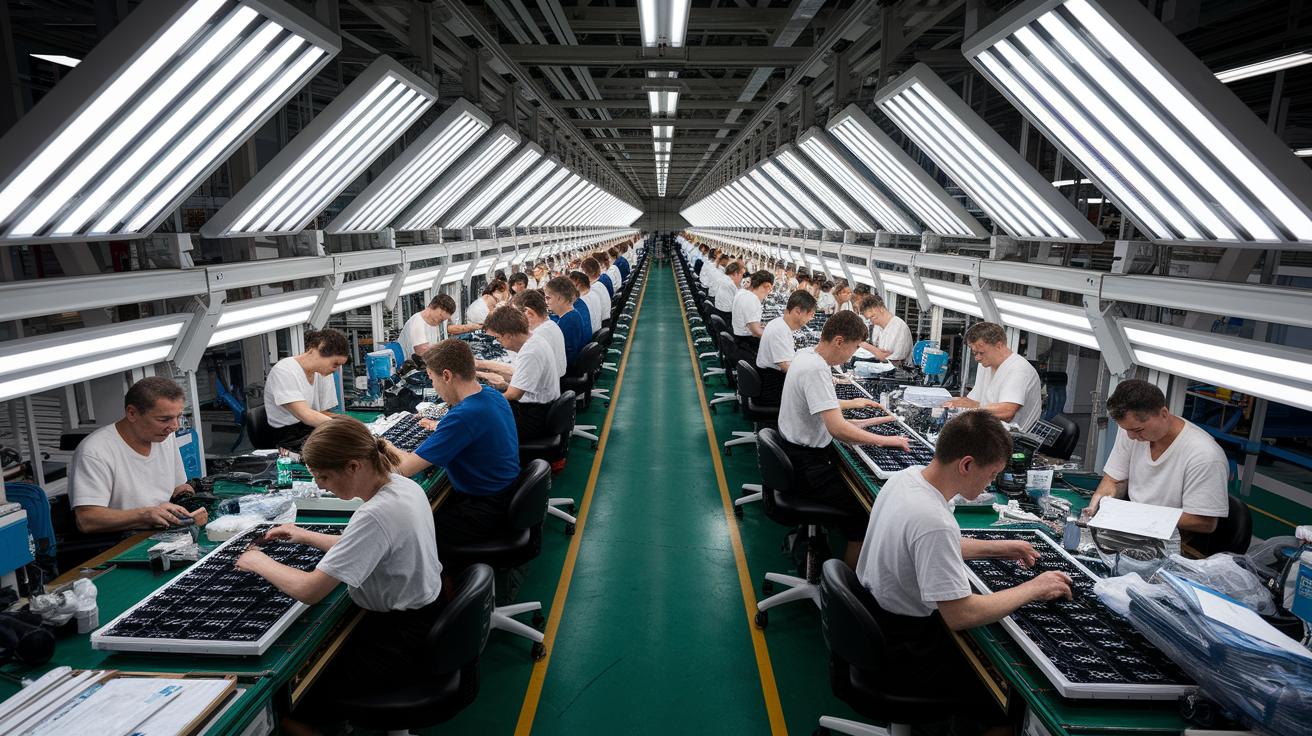
In the first quarter of 2024, factories making long-lasting goods boosted production by 1.2% compared to last year. It felt just like watching a busy assembly line come to life, the opening note of a familiar tune.
Retail stores are slowing down a bit too. In April, sales only grew by 0.8% from the previous month. Imagine stepping into your favorite store and noticing there are fewer new items on the shelves. It seems that higher borrowing costs are making us all think twice before spending.
The housing market is acting cautiously as well. New housing projects dropped by 5% in Q1 2024, with mortgage rates around 6.5%. Picture a bustling market with only a few stalls open, this makes potential buyers pause before taking the next step.
Across regions, differences are clear. For example, California is facing a tough challenge with a $38 billion budget gap, a real reminder of local financial pressures.
On a brighter note, investments in green energy soared by 15% in 2023. Think of a town lighting up with new, eco-friendly projects. These investments not only update our energy systems but also hint at exciting growth ahead.
This clear look at various sectors and regions shows real shifts in our economy. Keep an eye on these changes and adjust your plans as needed.
Economic Trends: Labor Market and Consumer Dynamics

In the first few months of 2024, the U.S. saw 9.5 million job openings while 6.5 million people were still looking for work, keeping the unemployment rate at a steady 3.7%. Employers are actively looking for talent, even though fewer workers are available. Think of it like attending a local job fair, plenty of employers are ready to hire, but only a few candidates show up.
Labor force participation in April nudged up to 62.5%. It may seem like a small jump, but it shows that more folks are stepping back into the job market with renewed hope for a steady paycheck.
Consumer spending paints an interesting picture too. Even with a high number of job openings, households are spending with caution. Last year, real wages grew by just 0.5% after taking inflation into account. Imagine finding a couple extra pennies in your pocket, it’s nice, but not life-changing. This careful spending suggests many are choosing to budget wisely rather than splurge when things feel uncertain.
Income inequality is still a real challenge. With a Gini coefficient at 0.49, wealth isn’t spread evenly, highlighting ongoing financial struggles for many.
| Indicator | Value |
|---|---|
| U.S. Job Openings | 9.5 million |
| Unemployed Workers | 6.5 million |
| Labor Force Participation | 62.5% |
| Real Wages Growth | 0.5% |
| Gini Coefficient | 0.49 |
Economic Trends: Emerging Technologies and Market Volatility

Breakthrough innovations in AI are giving our economy a real boost. For example, generative AI might add about $4.4 trillion to productivity every year by 2040. Think of your smartphone as a booster rocket, each digital upgrade helps businesses work smarter and more efficiently.
Digital platforms are also changing the game for growth. The creator economy is now worth around $250 billion and is expected to nearly double to $480 billion by 2027. Imagine an artist who suddenly discovers a whole new palette of colors to create amazing art. This change shows how digital tools are opening up new markets and income opportunities.
At the same time, shifts in commodity prices are putting pressure on the markets. Oil prices, for instance, jumped 12% in the first quarter of 2024 because of supply issues and global tensions. It’s like adding an unexpected burst of spice to your favorite meal. The equity volatility index (VIX) also climbed from 17.2 to 19.5 in early 2024, which tells us that investors are being a bit more cautious.
All of these trends, advanced technology driving growth and market ups and downs, bring hope while reminding us to plan carefully. The mix of cutting-edge digital tools and changing market signals creates a scene that is both exciting and calls for smart, careful decisions.
Economic Trends Spark Market Optimism

Even though we still face real challenges, there are signs of hope in the market. Some top economists have looked at the numbers and found that even with risks around, there’s a silver lining. For instance, a January 2024 Brookings report pointed out that tensions between the U.S. and China are the biggest worry for global economic growth. This shows that political strains can slow things down even when parts of our economy are bouncing back.
Over the last ten years, climate impacts have become much more noticeable, with disasters jumping by 30%. Heavy rains, storms, and other severe weather have put pressure on supply chains and slowed down production, affecting many industries. Still, policy makers and businesses are stepping up by strengthening climate policies and growth plans to build a more resilient system.
Federal forecasts now give a 60% chance of avoiding a deep recessional dip in 2024, thanks to careful monetary moves. But this positive forecast comes with a twist, recovery isn’t even across all sectors. Factories are still producing 4% less than before 2020, while services have bounced back fully. It’s a reminder that some parts of the economy are on solid ground, while others are still fighting to catch up.
Investors are keeping a close eye on recovery signs, weighing the risks against chances for steady growth. With ongoing geopolitical tensions and environmental challenges, many remain cautiously optimistic about what’s ahead. Staying tuned to these trends will help everyone gauge the short-term bumps and long-term opportunities as the next few years unfold.
Final Words
In the action, we explored how global market outlooks, fiscal shifts, and labor dynamics shape today’s financial environment. We broke down key points such as consumer spending, emerging technology impacts, and market volatility to make sense of our current economic trends. Each section painted a picture of how policies and market forces mix to influence future projections. All these insights help build a clear picture of what to expect and how to plan ahead, leaving us with optimism and a clear roadmap for success.
FAQ
What is an economic trend and what are some examples?
An economic trend is a pattern indicating change in economic activity. For instance, rising consumer spending, shifts in production, and moderate inflation are trends that help gauge business cycles.
What is the current economic trend and what does “economic trends today” mean?
Economic trends today point to a mix of steady growth, softening inflation, and market volatility as policymakers adjust trade rules and consumers shift spending habits.
How are economic trends influencing business and the global market?
Economic trends in business and around the world drive changes in investment and production by affecting consumer behavior and policy decisions—shaping the broader economic environment.
What are the economic trends for 2025?
Economic trends for 2025 are expected to feature moderate growth, evolving fiscal policies, and technological integration—challenging businesses while opening up new market opportunities.
How does Trading Economics help in understanding economic trends?
Trading Economics offers valuable data on key indicators like GDP, inflation, and consumer confidence, which in turn help interpret and forecast economic trends effectively.
What are the four types of economies in economics?
The four types of economies are market, command, mixed, and traditional economies. They differ in how much government or market forces guide economic decisions.
What are national economic trends?
National economic trends reflect a country’s overall economic health—capturing changes in GDP, spending patterns, inflation, and employment levels to assess fiscal performance and policy impact.