
Ever wondered why some family gatherings feel overwhelming while others come together naturally? When you plan a budget for these events, you give every dollar a clear job, turning potential chaos into an organized celebration.
Think about it like sorting through your photo albums. You label each folder so every expense has its own place, leaving nothing to chance. This simple method helps you avoid surprises and keeps your event stress-free.
In this guide, you'll get a clear, step-by-step plan to make your celebrations both joyful and affordable. Smart, simple savings can really make a difference in creating memorable moments with the people you love.
Step-by-Step Guide to Budgeting for Family Events
Planning a family event gets a lot easier when you have a clear budget in place. When you know exactly where every dollar is going, you feel more in control and less overwhelmed. Imagine sorting expenses like you're grouping photos into "needs" and "wants" to figure out what really matters, this simple trick helps keep surprises out of the mix.
-
First, decide on the event details. Figure out what type of gathering you’re planning, how many guests will join, and pick a date that works for everyone. For instance, you might choose between a lively birthday celebration or a small, cozy family dinner.
-
Next, do a bit of homework by checking the average costs for each part of your event. Use your phone or computer to see what others are spending on similar events to get a good idea of typical prices.
-
Then, run through a simple needs versus wants exercise. Write down the items you absolutely must have and separate them from the extras that add flair but aren’t essential.
-
After that, allocate your budget by splitting your total funds into categories. Decide how much you want to spend on food, decorations, and entertainment, breaking it down into clear percentages makes it easier to manage.
-
Finally, don’t forget to set aside a little backup money, about 5 to 10 percent of your budget, to cover any unexpected costs that might pop up.
It helps to create a simple spreadsheet or ledger where you list each expense along with its estimated cost. As bills come in, update your list and compare your initial estimates with what you actually spend. This way, you keep your budget organized and can quickly spot where adjustments might be needed.
Breaking Down Event Costs with a Detailed Party Expense Table
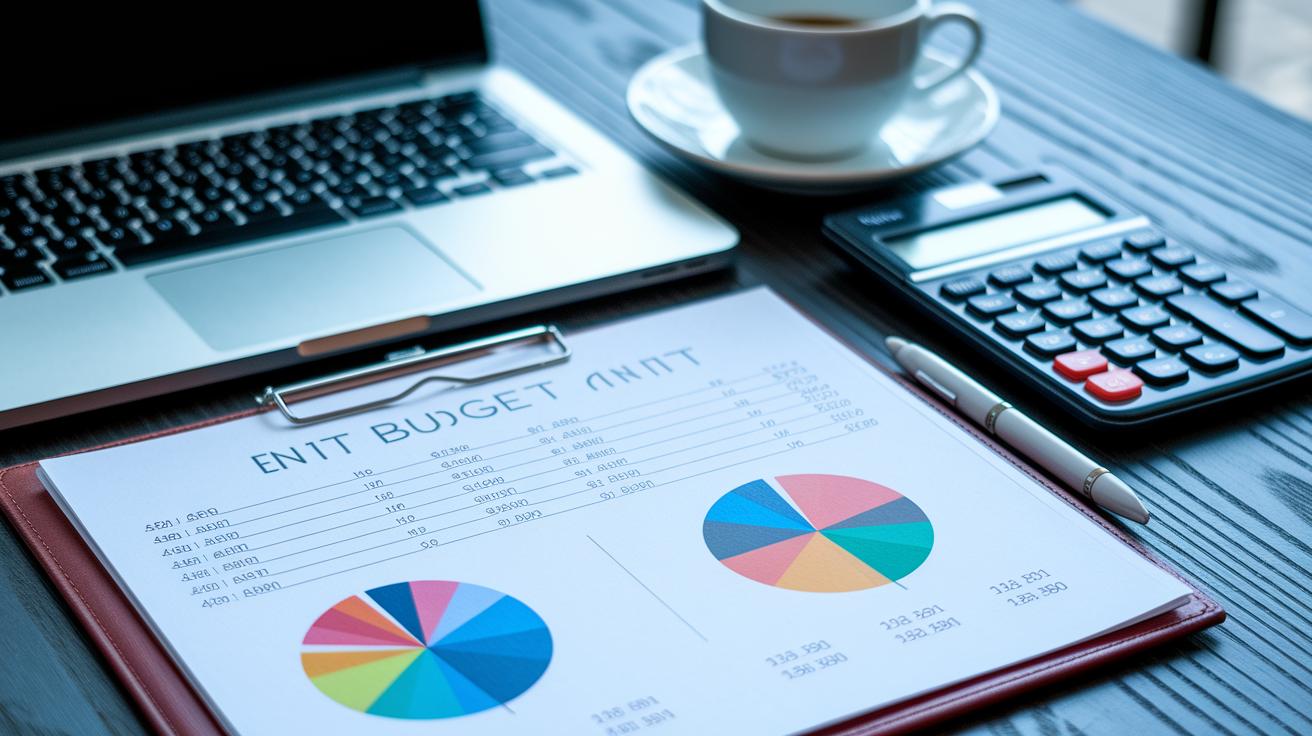
Ever tried sorting your event budget into clear, simple parts? When you break it down like that, every dollar has a place, and it boosts your confidence while planning a party. It’s a bit like laying out your ingredients before cooking; you know exactly what’s needed and can tweak things on the fly. Seeing your expenses sorted into clear buckets makes it easy to spot where you can save or even spend a little extra on what really matters to your family.
| Category | Typical % of Total | Sample $ on $2,000 Budget |
|---|---|---|
| Venue | 30% | $600 |
| Catering | 35% | $700 |
| Entertainment | 15% | $300 |
| Decorations | 10% | $200 |
| Contingency | 10% | $200 |
Feel free to adjust these percentages to match your event’s unique needs. That way, you can create a celebration that both sticks to your budget and shines just right.
Cost-Saving Techniques for Family Celebrations
When planning a family event, small savings in different areas can really stretch your dollars. It’s like finding a few coins in your couch cushions, those little bits add up to a big difference in your event budget.
Try making your own centerpieces and party favors. Consider hosting your celebration on off-peak days or times when prices are lower. You might even borrow decorations from friends or family and negotiate bundled deals with vendors.
Instead of printing invites, send digital invitations or a friendly group email. Think about planning a potluck, where everyone brings a dish, and use loyalty points, coupons, or group discounts whenever possible.
These smart saving tips allow you to create a memorable event without breaking your budget. Every guest still feels special, and every detail can shine while keeping your spending under control. For more ideas on everyday savings, check out the Budgeting Tips for Families.
Tools and Templates for Strategic Event Budgeting
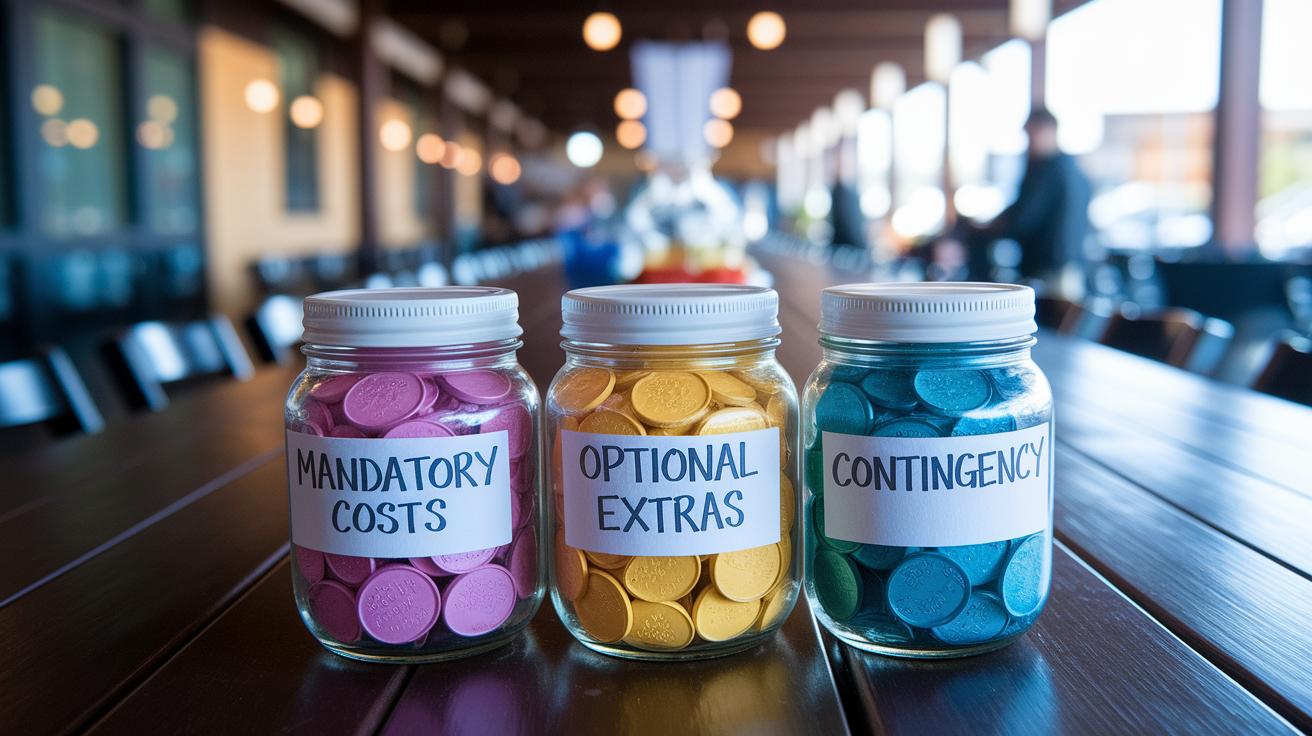
Ever thought of using a fun twist on the classic Jar System to set up your event budget? Instead of the usual Saving, Spending, and Sharing jars, try renaming them to match your event. You could call them “Mandatory Costs” for essentials, “Optional Extras” for those fun add-ons, and “Contingency” for surprises you didn’t plan. It’s a simple, visual trick that shows exactly where your money goes, making planning feel less overwhelming.
Excel or Google Sheets Template
Imagine a neat worksheet with clear columns that compare your estimated costs to what you actually spend. One column lists each budget item, another shows the difference between your guesses and real expenses, and a third column tells you if you’re on track or over budget. This setup gives you an instant, friendly snapshot of your spending, guiding you to stay within your limits.
Specialized Budgeting Apps
Today’s budgeting apps turn event planning into a team sport. They let everyone on your planning crew add their numbers and offer handy alerts when costs start to creep up. These apps often use quick category tags so you can sort expenses in a flash.
- Free downloadable template from App A
- Budget tracker spreadsheet from App B
- User-friendly budgeting app from App C
Real-Life Examples of Affordable Celebration Planning
Case 1: A family hosted a backyard birthday for 20 guests with a total budget of $1,500. They skipped the pricey venue and used their own yard instead. They added a personal touch with homemade decorations and ordered food in bulk ahead of time, which helped keep costs low while still serving tasty meals.
Then there’s a couple who planned a special anniversary party for 50 people for under $3,000. They chose a weekday slot since those days often have lower rates. They sent digital invitations to save on printing, and renting linens gave the event a classy feel without breaking the bank.
- Choosing creative venues cuts down on expenses
- DIY projects and group discounts lead to big savings
- Digital invitations simplify planning and keep budgeting on track
Final Words
In the action, you learned how to design a simple, clear plan for family events by breaking down costs, setting key steps, and exploring cost-saving ideas. We walked through practical tips like using the Needs vs Wants exercise and setting up tools for tracking spending.
These straightforward strategies help transform the process into something manageable and stress-free. Keep refining your plan and celebrate each progress note on budgeting for family events with confidence and ease.
FAQ
What do family budgeting templates and examples offer?
Family budgeting templates and examples guide you in tracking income and expenses while planning events. They break costs into categories and help you prioritize what matters most for your celebration.
How can online budgeting calculators boost family event planning?
Online budgeting calculators quickly help you estimate expenses and adjust spending. They allow you to input various event elements like venue, decor, and food for a clear spending roadmap.
What does the 50-30-20 rule signify for families?
The 50-30-20 rule divides income into three parts: 50% for needs, 30% for wants, and 20% for savings. It helps families organize spending reasonably and save for the future.
What is the average budget for a family reunion?
The average budget for a family reunion varies widely but generally falls between a few hundred to a few thousand dollars per event based on guest count, venue, and activity choices.
How does the 70/20/10 rule manage money for a family?
The 70/20/10 rule splits funds with 70% allocated for living expenses, 20% for savings or debt, and 10% for extras. It offers a flexible model to maintain financial balance.
Is $100,000 enough for a family of four?
Having $100,000 can support a family of four temporarily, yet its adequacy depends on regional living costs, debts, and lifestyle choices. It might help cushion times of unexpected expenses.
Where can I find free, community-sourced budgeting resources like Reddit posts or project PDFs?
Many online platforms share free tools such as budgeting templates, detailed project PDFs, and community advice. Checking sites like Reddit can provide real-life examples and ideas for setting up a monthly family budget.