
Have you ever thought that a simple binder could change the way you manage your money? Imagine keeping all your bills, savings, and spending plans in one neat spot. It’s a bit like organizing your favorite collection, where each section has a clear purpose that makes everything feel more manageable.
In this piece, I'll walk you through how an easy-to-use budget binder can turn budgeting from a daunting chore into a simple, everyday task. Think of it as a smart, affordable tool that cuts through the clutter and helps you stay on top of your finances.
Ready to learn more? Let's dive in.
How a Budget Binder Organizes Your Finances
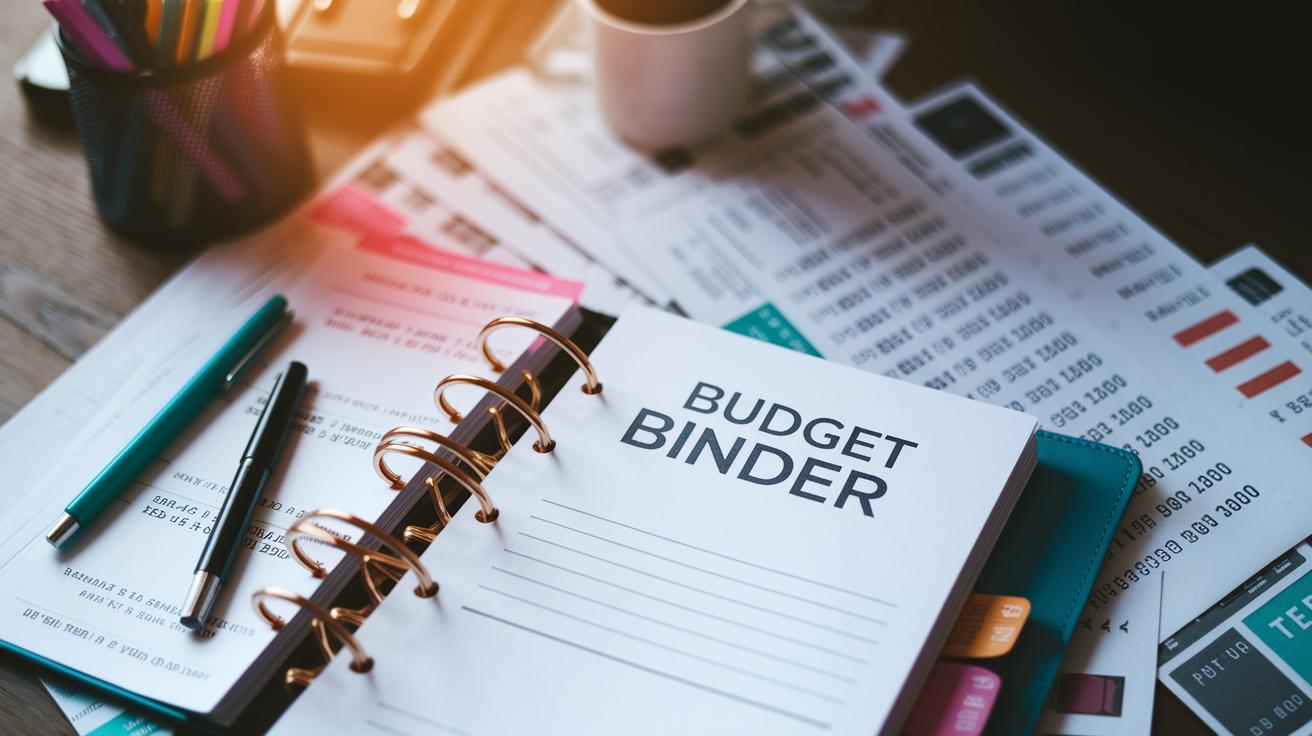
Imagine having one simple tool that keeps all your money details together. A budget binder is a handy organizer that brings together free printables and easy-to-use pages so you can track everything from bills to savings. When you keep your finances in one clear spot, you’ll feel less stressed and more in control.
Each page in your binder has a specific job. The cover lets you personalize it with your name and the upcoming year. There’s a goal sheet where you can jot down both small dreams and big plans for your money. You also get an expense tracker for your regular bills, whether they come monthly, quarterly, or yearly. And then there’s a section to break down spending by category (like housing, food, or transport) to help you see where your cash goes versus your plan. A monthly check-in page wraps it all up, giving you space to celebrate wins and note any changes needed. For extra ideas, check out our personal budgeting template and some free budget planning online tools.
To get started, gather your recent bank statements and list out your regular payments. For the very first month, leave the budget spots blank so you can fill in the real numbers later. This step-by-step method turns budgeting into a simple and rewarding task.
Essential Tools and Supplies for Building a Budget Binder
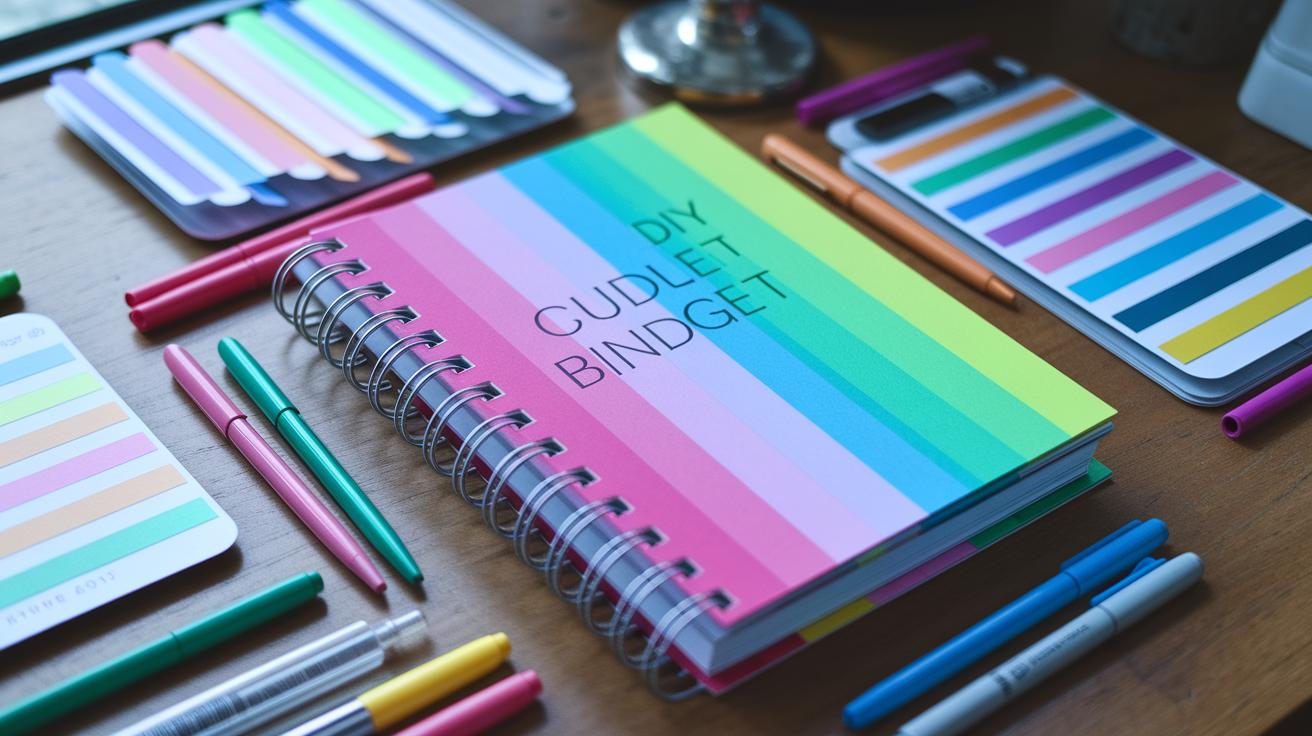
Keeping your budget binder organized is easier than you might think. With just a few simple supplies, you can keep every expense and plan neatly in check. This DIY money organizer lets you track your spending and set financial goals without any fuss. Whether you pick a basic plastic binder or a fancier A6 patent leather version, you can find options that fit almost any budget, from about $10 up to $60 or more. Let’s take a look at the six key items you’ll need to build your paper money planner:
-
A 1- to 2-inch 3-ring binder
Think of it as the backbone of your binder. You can choose from a range of styles and prices to find the one that feels right. -
Tabbed dividers
These are your best friend when it comes to organizing sections. They make it a breeze to jump to the right page when you need it. -
Clear plastic sleeves
Use these to guard your printed pages. They keep everything neat and help preserve your important documents. -
Printable page packets
This includes covers, goal trackers, and expense sheets. They guide you through your budget step by step, making things simple to follow. -
Pens or fine-tip markers
Reliable writing tools are a must. Choose ones that are easy to read so you’ll always know what’s what at a glance. -
Optional cash envelopes
If you like adding a hands-on touch to your budgeting, these are a great extra. They help you set aside cash just like a budgeting envelope kit. Check out our budget planner for more ideas on getting organized.
Step-by-Step Setup Guide for Your DIY Budget Binder
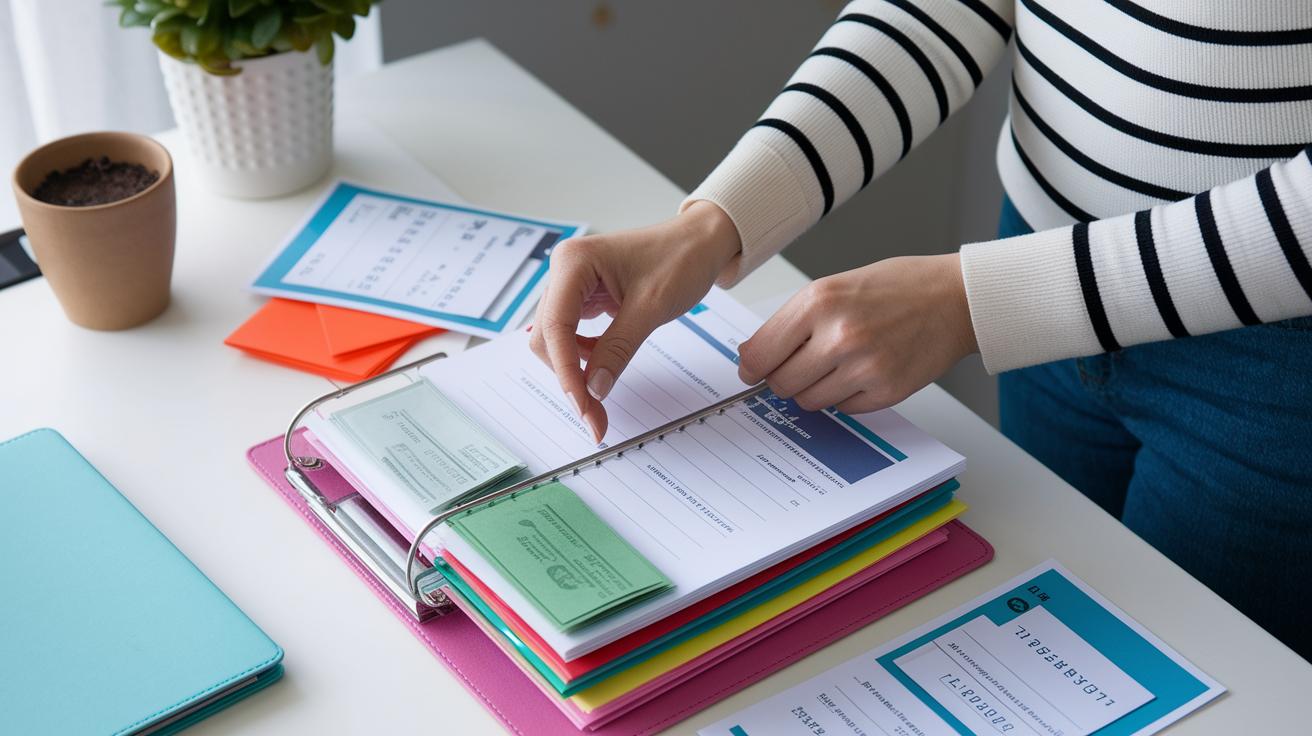
Before you start building your budget binder, take a minute to pull together your latest bank statements. Jot down your pay dates and bills first so you know exactly what your recurring expenses are. This simple step turns your binder into a living tool that grows with your spending habits.
-
Select binder size and style (plastic vs. leather)
Choose a binder that feels right for you. A plastic binder works well for everyday use, but if you’re after a bit more flair, a leather option adds a stylish touch. Think about durability and how many pages and dividers it can hold. -
Download/print section templates
Look for trustworthy templates for each section of your binder. These pages cover your cover sheet, goals, bills, expenses, and savings tracker. You can print them at home and tweak them to match your needs. -
Label dividers: Cover, Goals, Bills, Expenses, Savings
Use strong dividers with clear labels to break your binder into neat sections. This makes it easy to flip straight to the part you need, keeping everything organized and stress-free. -
Insert printables and cash envelopes
Slide your printed templates into clear plastic sleeves. If you like the idea of envelope budgeting, include a few cash envelopes to help you set aside money for different expenses. It’s a hands-on way to manage your cash flow. -
Personalize with labels, stickers, color-coding
Finally, add your personal spin to the binder. Stick on labels, colorful stickers, or use different colors to mark each section. This not only makes your budget binder uniquely yours but also helps you update your expenses quickly and easily.
Feel free to tweak this guide so it fits your schedule and your spending style perfectly. Enjoy crafting a budgeting tool that works just for you!
Budget Binder Page Layout Ideas and Templates
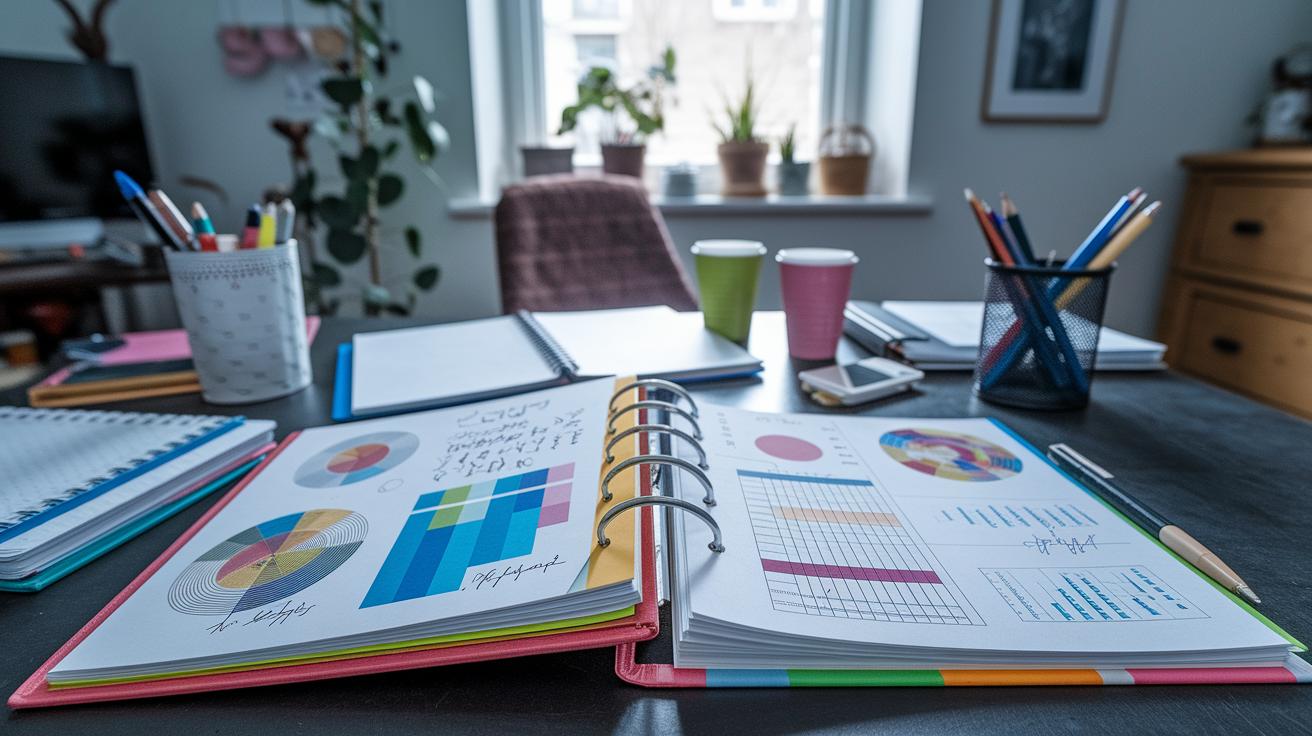
Your binder already covers the basics like the cover, goal setting, expense tracking, and monthly check-ins. So why not add a few creative twists to give every page a fresh vibe?
Try designing your cover page with a fun font or a unique graphic that really speaks to who you are. For your goal setting page, leave a little space for an inspiring quote or even a doodle next to each goal, it can be a real mood booster.
Give your recurring expense tracker a playful upgrade by adding small icons to show when bills come due. This makes it easier to follow and adds a bit of style. And on your monthly expenses page, try using colored labels to clearly separate areas like Housing, Food, and Transport. Finally, bring some life to your monthly check-in and savings tracker with hand-drawn charts or cute touches that celebrate your progress.
| Template Section | Purpose | Tips |
|---|---|---|
| Cover Page | Show off your name, the year, and your unique style | Use a custom font or add a graphic for a standout look |
| Goal Setting Sheet | Lay out your short- and long-term targets | Include a space for an uplifting quote or doodle to keep you motivated |
| Recurring Expense Tracker | Keep track of bills, how often they occur, and the amounts | Add small icons or symbols to easily spot different bill types |
| Monthly Expenses | Break down spending into clear categories like Housing, Food, and Transport | Use colored labels or headers so each category stands out |
| Monthly Check-In/Savings Tracker | Monitor your progress with visual charts and notes | Mix in hand-drawn graphs and motivational notes to cheer you on |
Tracking Spending and Savings Progress in Your Binder
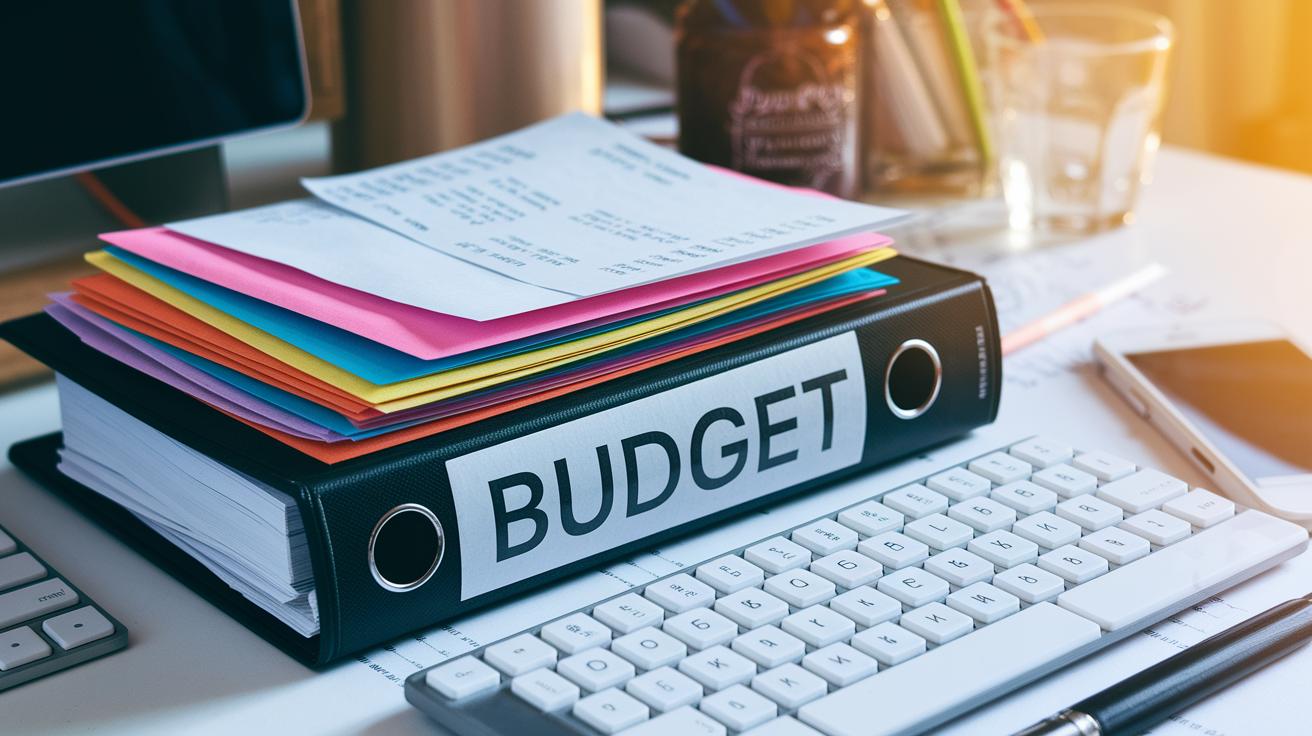
When you record your daily spending in your budget binder, you get a straightforward look at where your money goes. Pair your daily entries with a monthly expense tracker and a simple spending habits log, and you’ll quickly see how your spending matches your plans. Every receipt you gather acts like a small puzzle piece, and slipping it into its own envelope helps keep your place. Updating your binder regularly not only makes tracking less daunting but also gives you the chance to celebrate little wins along the way.
It’s key to keep your home finance tracker current so you can spot spending trends and make smart adjustments. I suggest checking your binder each week to jot down every purchase and then using your monthly check-in pages to compare what you planned versus what really happened. This habit can uncover spending patterns that might not be obvious at first. Each monthly review gives you a new chance to set targets that better match your real spending, so you can fine-tune your budget and make choices that suit your future needs.
- File your receipts every day in the taped envelope section.
- Write down each expense under the right category in your monthly tracker.
- Update your savings tracker and spending log every week.
- Review your budget each month to compare planned and actual spending.
- Tweak next month’s targets based on the spending patterns you notice.
Comparing Budget Binder Kits, Printables, and Digital Tools
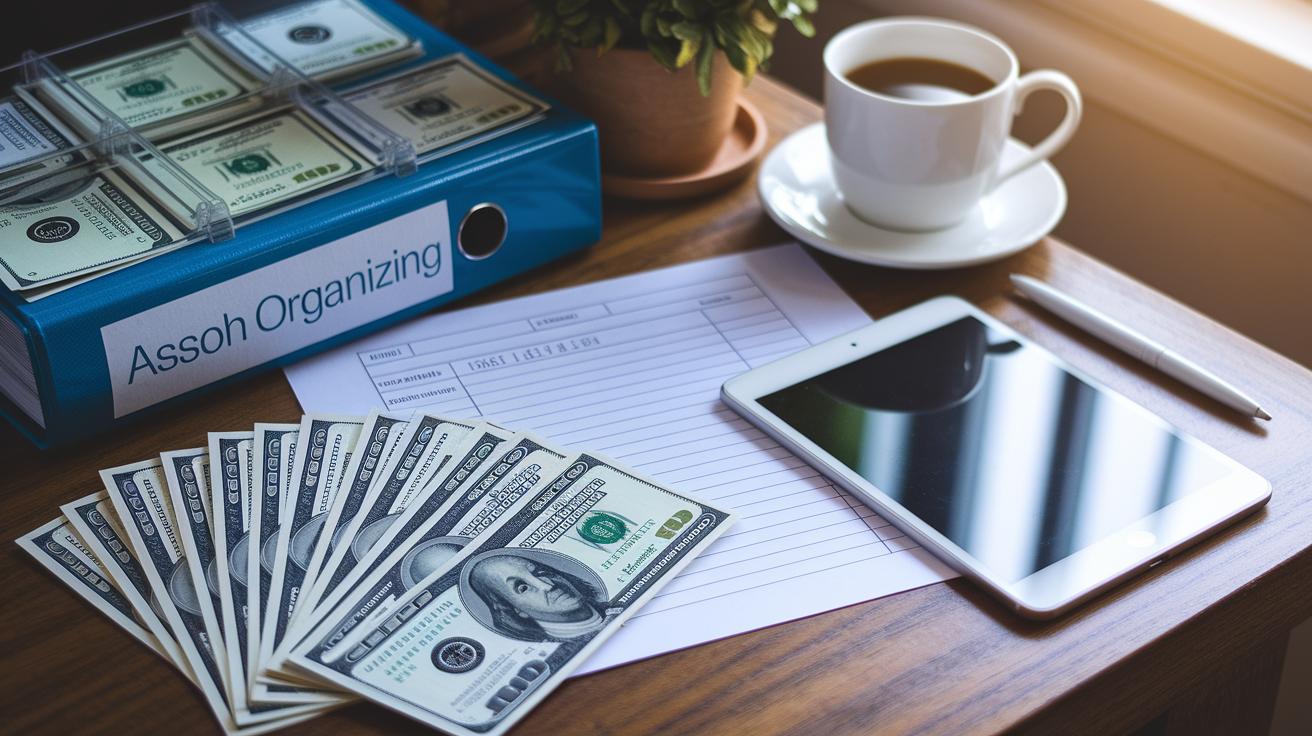
Looking for the perfect way to keep your cash organized? You can pick from a few options to match your spending habits and personality. Whether you enjoy using tangible tools or prefer a digital approach, each method has its own benefits. This guide explains four choices to help you decide based on cost, design, and ease of use.
| Option | Price Range | Key Features | Pros & Cons |
|---|---|---|---|
| Free Printable Pack | Free | Downloadable templates and savings sheets | No cost; simple design without physical extras |
| Basic Binder Kit | $20–$30 | Comes with a binder, dividers, and cash envelopes | Budget-friendly; great for hands-on organization, though it lacks digital tools |
| Premium Leather Binder | $60+ | A6 patent leather design with embossed details | Stylish and refined; the higher price might not fit everyone’s budget |
| Digital Templates | Varies | Spreadsheets or finance apps that compute on their own (budget spreadsheet) | Updates automatically; you need a digital device to use them |
Pick the option that fits the way you handle money and the type of tracking that feels right for you.
Final Words
In the action, the blog post broke down how a budget binder can keep your finances organized. It explained the binder’s all-in-one setup, from setting goals to tracking bills. It even covered the tools you need and the step-by-step setup process. You got clear ideas for page layouts and helpful tracking tips to watch your spending and savings progress. A budget binder is a smart tool to boost confidence in managing money. Embrace this simple system and start feeling more secure about your financial path today.
FAQ
What is a budget binder?
A budget binder is a simple, all-in-one tool that gathers printable templates for tracking expenses, setting goals, and reviewing spending. It brings clarity to managing household money effectively.
How do I create my own budget binder?
Creating your own budget binder starts by collecting a binder, printable worksheets, and dividers. Arrange pages for goals, bills, expenses, and savings to personalize your money management plan.
How to use a budget binder for beginners?
Using a budget binder for beginners means listing recurring expenses, starting with blank budget targets, and updating spending data over time. This method builds clear habits and teaches realistic money planning.
Are budget binders worth it?
Budget binders are worth it because they organize your finances in one place and simplify tracking spending. They help turn managing money into an accessible and rewarding routine.
What does a budget binder template offer?
A budget binder template offers ready-to-use pages like expense trackers, goal sheets, and monthly check-ins. Such templates simplify your financial tracking and provide structure for everyday budgeting.
How do budget binders with envelopes or cash work?
Budget binders with envelopes or cash methods blend paper tracking with physical cash management. They keep receipts and cash organized by category, reinforcing mindful spending habits and staying on track.
What is a budget binder savings challenge?
A budget binder savings challenge motivates you to set specific saving goals and track progress. It turns your binder into a tool for celebrating small wins while steadily building your savings fund.
Where can I find a budget binder in stores, such as Walmart?
You can find budget binders in many stores, including Walmart and office-supply shops, as well as online retailers. This variety lets you compare options and pick one that meets your financial style.
Which is the best budget binder available?
The best budget binder blends quality materials, clear templates, and user-friendly design. Look for one that matches your budget and organizational style to make monitoring your finances simpler.