
Have you ever noticed how a tiny change in growth rates can hint at big shifts in our economy? In 2021, the U.S. saw a strong boost, then things dropped sharply in 2022, and in 2023 things picked up just a bit. Even small moves in GDP can signal larger changes in how businesses do and how policies impact our lives. In this article, we'll take a closer look at these numbers to see what really drives our economic ups and downs.
Historical U.S. GDP Growth by Year: Key Annual Metrics

Between 2021 and 2023, the U.S. economy experienced some ups and downs. In 2021, it grew strongly by 6.05%. But by 2022, growth slowed to 2.51%, which means it dropped by 3.54% compared to the year before. This change shows the economy faced some tough pressures.
In 2023, growth edged up a little, from 2.51% to 2.89%, a modest increase of 0.38%. It’s like the economy is slowly bouncing back as it adjusts to new market conditions and policy changes. This steady recovery gives us a helpful glimpse into the speed of change in annual performance.
| Year | Growth Rate (%) | Change vs Prior Year (%) |
|---|---|---|
| 2021 | 6.05 | – |
| 2022 | 2.51 | –3.54 |
| 2023 | 2.89 | +0.38 |
Overall, 2022 was a challenging year with a clear cut in momentum, but 2023 is starting to show signs of recovery. Tracking these yearly changes helps us see how even small shifts can make a big difference in the economy.
Annual Economic Growth Trends by Year: Rebound & Slowdown Analysis

Between 2021 and 2023, the U.S. economy went through some real changes. In 2021, growth was strong. By 2022, it slowed down to 2.51%, a drop of 3.54%, and in 2023, it picked up a bit to 2.89%. These shifts follow the overall trends we see in the economy.
In 2022, tighter money rules and problems with the supply chain put a squeeze on business investments. Picture riding your bike on a bumpy road; things weren’t smooth, and the economy felt those rough patches.
Then in 2023, lower inflation and better fiscal moves helped to lift the economy again. With shoppers feeling more confident and smart policy tweaks in play, the pressures eased and growth started to speed up again.
Looking ahead, new policies and market changes might help balance out growth even more. It’s worth keeping an eye on these factors as they shape our economic future, not just the headline numbers.
| Year | GDP Growth | Key Influencers |
|---|---|---|
| 2021 | Strong growth | High market activity |
| 2022 | 2.51% (down 3.54%) | Tighter money rules, supply chain issues |
| 2023 | 2.89% (modest rebound) | Lower inflation, better fiscal moves |
Real vs Nominal GDP Growth by Year: Adjusted Metric Comparisons

Nominal GDP growth shows how much more stuff is produced using today’s prices, without taking into account rising costs. Real GDP growth, on the other hand, removes the effect of inflation to reveal the actual increase in goods and services. Think of it like comparing the number of apples sold now to the number sold back when prices were lower.
Imagine you used to pay $100 for your favorite snack last year, but now it costs $102. Even if the overall number looks like it’s growing by 4 percent, if prices jumped by 2 percent, the real growth is closer to just 2 percent. In other words, the extra dollars aren’t stretching as far as they might seem at first glance.
Real GDP growth gives us a clearer picture because it cuts out the confusion of rising prices. This way, businesses and policymakers can see the actual boost in our economy and make decisions based on the true volume of production.
5 gdp growth by year: Thriving Trends
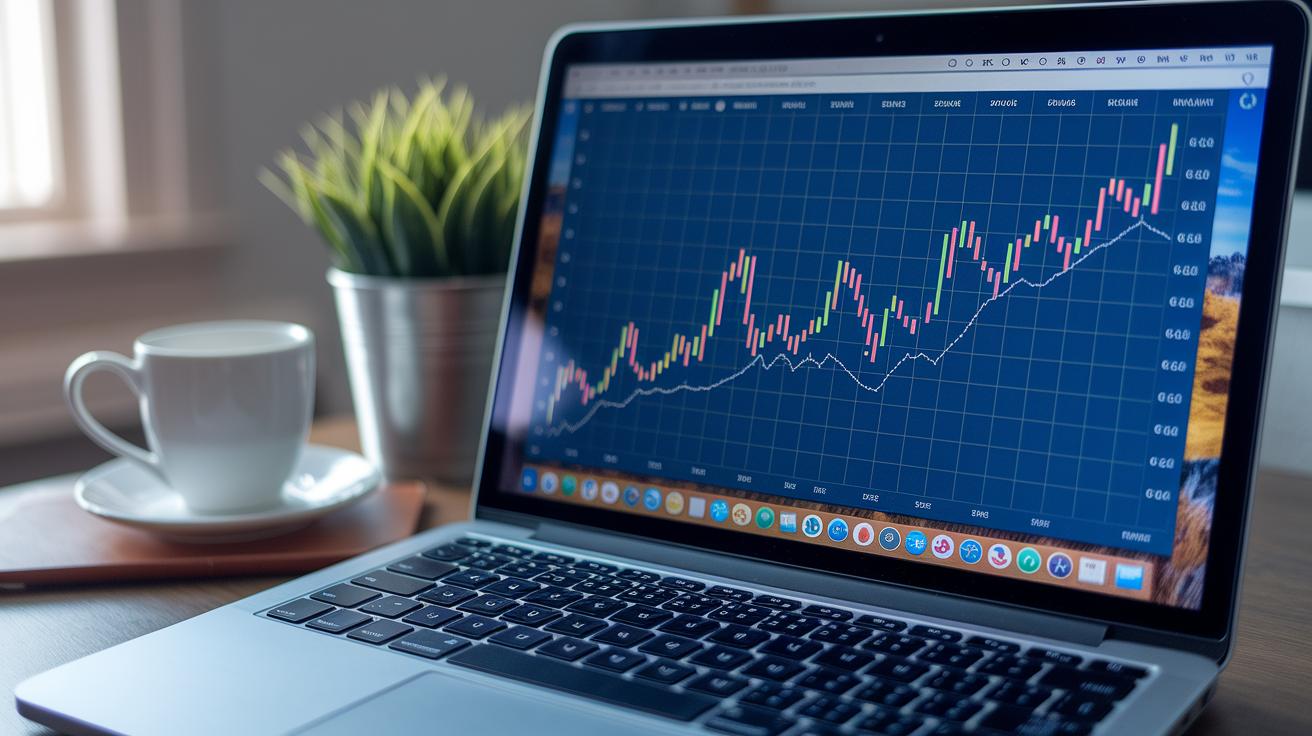
Interactive graphs bring GDP growth to life. They let you zoom in, hover for details, and explore trends in a fun, hands-on way. Just make sure your browser has JavaScript turned on so these cool features can work properly.
One neat example shows a chart that compares access to electricity with GDP per person. This visualization helps you see that more energy access often goes hand in hand with a stronger economy. And hey, did you know Thomas Edison tried hundreds of materials before he nailed the perfect light bulb? It’s a reminder that small details can make a big difference.
When you look at these charts, it’s smart to follow a few simple tips. Check the labels along the horizontal and vertical axes. Use any tooltips to get extra insights from the data. Compare different sections of the graph to spot interesting trends. Try out different views, sometimes even a small change can reveal a surprising shift in the numbers.
Global GDP Growth by Year: Comparative International Perspectives

We get our global GDP growth data from trusted sources like the World Bank, the International Monetary Fund, and the Organization for Economic Cooperation and Development. They collect information from different countries and double-check the facts so we can see how each economy is doing every year. This information helps us compare changes over time and gives us confidence in the numbers.
In developed markets, growth usually comes in a steady, slow flow, like watching a calm river move along. These countries tend to see gradual changes that are easy to predict. Meanwhile, emerging markets can show very different behavior. One country might only see a small increase, while another could jump from a low base during a burst of rapid growth. It’s a reminder that every country’s economic journey is unique.
Looking at GDP per person and other important numbers gives us a clearer picture too. Seeing how much each person contributes helps us understand how the benefits of growth are shared. Even small shifts in these numbers can tell the deeper story of productivity, available resources, and overall living standards around the world.
Final Words
In the action, the blog explored key annual metrics of U.S. GDP growth, compared economic trends from 2021 to 2023, and explained the differences between real and nominal figures. It also offered insights into reading interactive charts and comparing global economic data. Each section provided clear examples and practical tips to keep things straightforward. All these details come together to help you make better decisions as you watch gdp growth by year. Keep your focus on growth and stay positive about your financial future.
FAQ
How does a GDP growth by year graph illustrate economic changes?
A GDP growth by year graph shows annual changes in economic performance by plotting growth percentages. It helps identify patterns, highlights strong recovery periods, and indicates potential slowdowns.
What does the GDP growth rate for 2022 indicate?
The GDP growth rate for 2022 was 2.51%, reflecting a decline of 3.54% from 2021. It indicates a slowdown in economic activity compared to the previous year.
How has the U.S. GDP growth rate evolved since 1900 and since 2000?
U.S. GDP growth rates since 1900 and since 2000 show varied economic performance influenced by policy shifts and market cycles, offering a comprehensive view of long-term economic trends.
What was notable about the GDP growth rate in 2021?
In 2021, the GDP growth rate reached 6.05%, marking a significant rebound and recovery from previous economic challenges, which set the stage for subsequent years’ trends.
What can be learned from analyzing GDP growth by president?
Analyzing GDP growth by president highlights how economic performance varied under different leaders. It provides insight into overall economic trends, though many factors contribute to these changes beyond presidential policies.
What does the U.S. GDP growth rate over the last 10 years reveal?
The U.S. GDP growth rate over the last 10 years shows a gradual and steady progression. It reflects shifts in economic momentum and offers a snapshot of long-term economic health.
What is the average GDP growth rate in the U.S. over a decade?
The average GDP growth rate over a decade is calculated by averaging annual growth rates. It offers a simplified view of long-term economic performance and overall progress in the U.S. economy.
How much should GDP increase per year under ideal conditions?
Under ideal conditions, GDP increases steadily to support job creation and higher living standards. The ideal rate varies with economic circumstances but generally aims for consistent, moderate growth.
How does the real GDP growth rate differ from the nominal rate right now?
The real GDP growth rate adjusts for inflation, offering a more accurate measure of economic progress. This adjusted rate reflects the true changes in economic output, unlike the nominal rate.