
Ever wondered why so many people still feel lost when it comes to money? You’re not alone. There are free lessons out there that help boost your money skills, from simple budgeting tips to easy ways to manage credit and debt.
Imagine chatting with a friend who explains money matters in a clear, friendly way. This guide shows you how government programs and community groups offer step-by-step tools to build your confidence. They make learning about money feel like a helpful conversation right next door.
Smart money habits can really empower your future. They change everyday financial decisions into manageable steps that put you in control. Why not take a moment to explore these simple ideas and see how they can make a difference in your life?
Comprehensive No-Cost Financial Literacy Resources for All Learners
Free money lessons are available for anyone eager to learn how to manage their cash better. You can visit state or territory websites where you simply click on your state to see help made just for you. Beginners can easily find guides built for local needs. For example, one website may walk you through budgeting like it once helped a family turn their monthly spending plan into a simple guide that saved them hundreds of dollars each year.
Government groups and non-profits team up to offer lessons on topics such as car loans, credit cards, understanding credit reports and scores, dealing with debt collectors, housing, managing money, mortgages, saving, and even bank accounts. The Consumer Financial Protection Bureau acts as a main spot for many of these topics, giving you clear, ready-to-use information.
These tools are great for first-timers and for those who want to brush up on their skills. They come in many forms, printable worksheets, interactive online tools, and more. This way, you get hands-on practice with everyday money decisions. If you’re just starting out, try a basic guide that explains tricky terms in simple words. It’s a bit like having a good friend show you how steady savings can add up over time with small, consistent steps.
You’ll also find free PDFs and fun videos that break down subjects like managing debt and investing. These resources use plain language and practical examples to give you the tools to take control of your financial future, all at no cost.
Money Management for Beginners: Essential Guides and Smart Tools

Jump$tart Coalition has laid out the core money skills you need: earning money, saving, budgeting, understanding credit, protecting yourself as a consumer, managing risks, and investing. They mix these basics with new digital tools that give you clear, hands-on advice.
Our engaging tutorials and handy digital templates now feature real stories from everyday people. One user, for example, tracked their spending weekly with our budgeting tool and started saving more money in just one month. It’s a simple reminder that a little smart money management can build real confidence.
You’ll find practical tools that break money management down into easy, step-by-step instructions, almost like following a favorite recipe.
- Budgeting 101 Interactive Tutorial
- Simple Savings Strategies PDF
- Debt Reduction Roadmap
- Credit Score Basics Video Series
- Emergency Fund Setup Worksheet
Try out a module like How to Budget to see how simple changes can make a big difference.
Free Money Skill Courses and Interactive Simulations
You can try free courses and interactive simulations that let you practice making money decisions without risking a dime. The Federal Reserve and its partner groups offer easy-to-use online tools that let you experiment with budgeting, understand how investing works, and see how credit choices affect your day-to-day money.
These virtual simulations make managing money feel real. You can change your spending habits, test different saving strategies, or even play around with loan repayment calculators. Think of it as a financial playground where mistakes help you learn and grow.
There are self-paced modules designed to fit into even the busiest schedule. They come with handy tools that track your savings goals and show you how loans impact your budget, making it simple to find what works best for you. This hands-on approach gives you a real feel for managing everyday financial needs like planning for upcoming expenses or handling unexpected costs.
Give the Free Budget Planning Online simulator a try and see how a little digital practice can boost your confidence when making smart financial choices.
Online Money Courses and Virtual Finance Classes

The CFPB has put together a helpful online hub for learning about money. Here, you’ll find easy-to-follow webinars and courses that cover the basics, like budgeting, credit, saving, and even mortgage tips. The classes are built for beginners who might feel nervous about money matters. Many of these sessions let you go at your own speed, so you can take extra time if you need it. Imagine testing out a budgeting plan and then tweaking it on the spot to see your spending get better.
There are also plenty of free courses on sites like Coursera, EdX, and Khan Academy that introduce you to the fundamentals of finance. These courses offer interactive lessons and hands-on exercises that help lay a strong foundation in personal finance. They’re a great way to boost your money skills without spending any money. With clear video lessons, short quizzes, and simple projects, learning about personal finance has never been easier. If you’re ready to explore, check out our Financial Literacy Courses to find the one that fits you best.
Personal Finance Worksheets, Printable Budget Guides, and eBooks
Printable guides give you a real hands-on feel that digital tools just can’t match. They feature neat, clear layouts for offline use, making money management feel more personal. Picture yourself jotting down each expense in a beautifully designed worksheet that turns tracking spending into a satisfying routine.
Online tools and free PDFs offer plenty of money management resources, but these printables shine because of their clear, simple design. Many people find that physically writing things down helps reinforce budgeting habits. If you enjoy the feel of pen on paper over tapping on a screen, these tools are perfect for you.
| Resource | Format | Source |
|---|---|---|
| Budget Planner | FederalReserve.gov | |
| Savings Tracker | Printable Worksheet | Nonprofit.org |
| Credit Score Worksheet | CFPB.gov | |
| Personal Finance eBook | EPUB/PDF | MoneyEdu.org |
These printable tools offer a unique, hands-on method for keeping your financial records if you prefer the traditional pen-and-paper approach.
Teacher Curriculum for Finance: Structured Lesson Plans and Teaching Aids
Jump$tart Coalition Standards
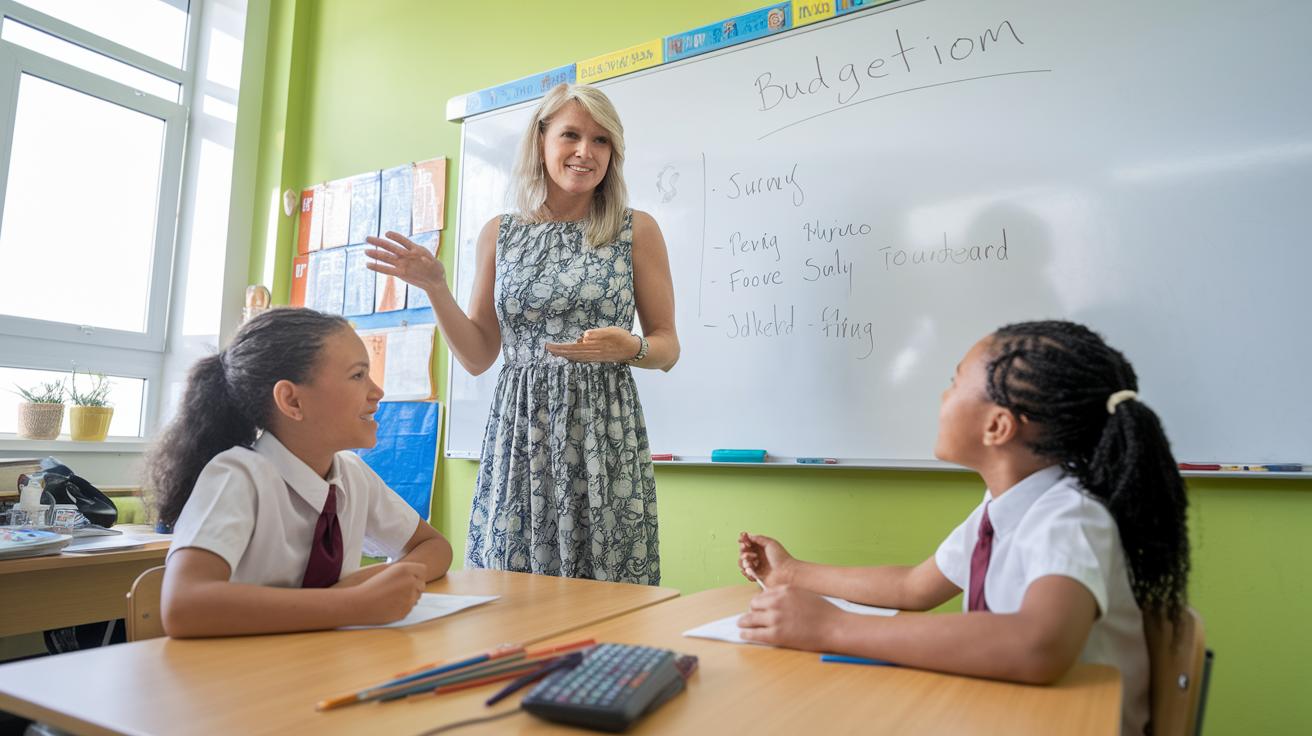
The Jump$tart Coalition has set simple, clear standards for teaching money skills from kindergarten through high school. They focus on seven key areas: earning money, saving, budgeting, understanding credit, protecting consumers, managing risks, and investing. For example, a lesson for fifth graders might introduce basic budgeting, while high school classes could explore how credit works and the basics of investing. This clear structure helps teachers know exactly which money topics to cover at each grade level.
K–12 Lesson Plan Sets
Teachers can download handy, ready-made lesson plans as PDF bundles designed for elementary, middle, and high school classes. These packs often include fun activities that get everyone participating. Imagine a class where students plan a school event budget, or another set filled with interactive worksheets based on TD Bank’s savings plan unit. These resources make it easier for teachers to create engaging lessons that build students’ confidence in handling money.
Classroom Teaching Aids and Games
Teachers also have access to useful games and presentation slides. Here are some ideas:
- Interactive budgeting games that make planning feel like a fun challenge.
- Slide presentations that explain consumer rights in an easy-to-understand way.
- Hands-on activities that show how credit scores work.
- Role-playing exercises that teach risk management in everyday situations.
These tools give students a real taste of money management, helping them see and practice skills they can use in real life.
Financial Literacy Resources: Empower Your Future
We’ve built student toolkits with a mix of workbooks, lesson guides, and interactive activities that make learning about money simple and fun. These kits include age-specific resources, from easy K–1 lessons on saving to more detailed materials for high schoolers. Digital lessons come with quizzes and fun challenges that turn tricky financial ideas into easy, hands-on learning moments. Students have the chance to try out budgeting, saving, and smart spending through simulations and games.
Interactive Financial Games for Youth
Browser-based games help young learners understand the basics of saving versus spending, and even give them a first look at investing. In these games, students decide how to split up virtual money while facing everyday choices. For instance, a game might ask, "Do you buy the new toy now or save for a future reward?" This fun, interactive style turns lessons into memorable adventures. As students see their choices make a real difference, they build confidence in handling money.
High School Budget Lesson Plans
High school students take their money skills up a notch with lessons on topics like credit, insurance, and real-life expense planning. These plans include case studies, team projects, and simulations that mimic real-life budgeting and big purchase decisions. By working through examples on credit use and basic investment ideas, students start to understand the real world of money management. Hands-on activities help them think critically, weigh risks, and see the long-term benefits, an important step toward taking charge of their financial future.
Crash Courses on Budgeting and Intensive Workshops

State treasurers and local education centers host free, hands-on budgeting workshops that last from 2 to 8 hours. These classes make learning about tracking expenses, setting savings goals, and knowing your rights feel like picking up an essential life skill. You get to dive right in by balancing a sample budget, all while chatting about everyday money choices.
Local non-profits also lead weekend money boot camps. In these sessions, you try out interactive money exercises that mirror real-life decisions, like choosing between a splurge and saving for something important later. The guides walk you through each step, letting you experiment with tools like expense sheets and savings trackers in a friendly, supportive space.
By joining these crash courses, you boost your money skills quickly and without the cost of professional training. Soon, you'll gain the confidence to manage your budget better and make smarter financial decisions every day.
Final Words
In the action, the blog post showed free financial literacy resources in a clear, accessible way. It covered money management for beginners, interactive courses, online classes, and educator lesson aids. The breakdown makes it easy to see how each tool, from budgeting guides to printable worksheets, can boost confidence and money skills. This snapshot of resources invites you to explore and use the available recommendations for smart decision-making. Every resource is a step toward a brighter financial future. Stay positive and keep growing your financial know-how.
FAQ
Q: Financial literacy resources for students
A: Financial literacy resources for students mean guides, worksheets, and games designed to teach basic money skills like budgeting and saving early in life.
Q: Financial literacy resources for adults
A: Financial literacy resources for adults include online courses, printable tools, and interactive guides that help manage budgets, credit, and overall financial planning.
Q: Financial literacy resources pdf
A: Financial literacy resources pdf refer to downloadable documents like budget planners, savings trackers, and financial handbooks that simplify money management concepts.
Q: Financial literacy resources examples
A: Financial literacy resources examples are interactive tutorials, eBooks, printable guides, and self-paced courses that cover saving, budgeting, and responsible credit use.
Q: Free financial literacy resources
A: Free financial literacy resources are no-cost online materials provided by government and nonprofit organizations to help learners improve money management skills.
Q: Financial literacy resources for college students
A: Financial literacy resources for college students focus on managing student loans, budgeting for tuition and living expenses, and building credit using tailored guides and interactive activities.
Q: Financial literacy resources for high school students
A: Financial literacy resources for high school students offer age-appropriate lesson plans, interactive games, and worksheets that introduce basic concepts like saving, budgeting, and credit.
Q: Financial literacy resources near me
A: Financial literacy resources near me often include local workshops, community centers, and state financial education portals that provide in-person classes and downloadable materials.
Q: What is the 50/30/20 rule for financial literacy?
A: The 50/30/20 rule for financial literacy means that you allocate 50% of income for needs, 30% for wants, and 20% for savings or debt repayment, guiding balanced budgeting.
Q: What is the meaning of financial literacy resources?
A: The meaning of financial literacy resources is a collection of tools and learning materials that help individuals understand and manage money through budgeting, saving, and responsible spending.
Q: What are the five pillars of financial literacy?
A: The five pillars of financial literacy include earning income, budgeting, saving, credit management, and investing, which together form a strong foundation for sound money practices.
Q: How do I teach myself financial literacy?
A: Teaching yourself financial literacy involves using free online tutorials, interactive simulations, printable worksheets, and self-paced courses to develop practical money management skills.