
Have you ever noticed how your holiday bills seem to pop up unexpectedly, even when you’ve planned ahead? Budgeting for family holidays can turn that surprise into a win. Think of it like putting together your favorite meal, each ingredient adds up to a satisfying feast.
If last year you wished you had a bit more room for travel or a special treat, this guide can help. It shows you how to keep track of your spending and set clear limits. Taking charge of your holiday budget might just make this season more cheerful and stress-free.
family budgeting for holiday expenses: Celebrate savings
Start by taking a look back at last year’s spending. Go through your bank and card statements to see where your holiday money went. Maybe you remember that gifts took up more than expected, leaving little for travel. This helps you set a clear plan for this year.
Next, write down every holiday expense you can think of. Jot down items like gifts, decorations, food, travel, and hosting. Think of it like gathering ingredients for your favorite holiday meal – you need every item to create a perfect dish. When you know all your expense types, it becomes easier to stick to your plan.
Then, figure out your total holiday budget and split it across these categories. For example, you might set a $75 limit for each gift and $30 for a secret Santa exchange. This way, each part of your celebration has its own spending cap, making it easier to manage your money and avoid any surprises.
Finally, build your holiday spending plan using these limits. With a clear list and set amounts for every category, you’re ready for a stress-free, joyful season. This organized approach turns budgeting into a practical way to keep your family celebrations both festive and financially wise.
How to Set Spending Limits and Payment Strategies for Holiday Expenses

Kick off by setting clear spending limits for each gift and other holiday items. Many families stick to about $75 for each personal gift and around $30 for Secret Santa exchanges. This simple method helps you keep a close eye on spending without going overboard, like drawing a neat line in the sand. Think of it like setting a cap on a gift card; it acts as a little check that keeps impulsive buying in check.
Next, figure out separate budgets for travel, hosting parties, and decorating. It’s almost like slicing up your favorite pie so that every part gets just the right share. While you’re planning these amounts, decide how you want to pay. Some folks might reach for cash or use a debit card for smaller buys. Others opt for a rewards-based credit card, which can give you extra perks, if you pay it all off right away, you can rack up statement credits without any extra interest, kind of like scoring a bonus for being smart.
Finally, plan your payment strategy before you start shopping. This simple step not only helps stop impulse buys but also sets the stage for a smoother, less stressful holiday spending routine.
Building a Holiday Fund with a Sinking Fund Approach
A sinking fund is a clever way to save for your holidays. It means putting aside a fixed sum each month, like $100, so that by December you have a tidy $1,000 saved up. Think of it like filling your favorite piggy bank bit by bit until it’s ready to help you cover gifts, decorations, and festive meals.
Starting on January 1 and setting up automatic transfers can really help you stick to your plan. This steady habit keeps year-end stress at bay and stops you from falling into high-interest credit traps. Plus, pairing this method with envelope budgeting – where you use separate envelopes for different expenses like gifts or gatherings – can make your spending plan even clearer. For more ideas on envelope budgeting, check out the Envelope Budgeting Method. This strategy helps keep your finances in order, so you can enjoy the festive season without any money worries.
Managing Holiday Finances with Digital Budgeting Apps
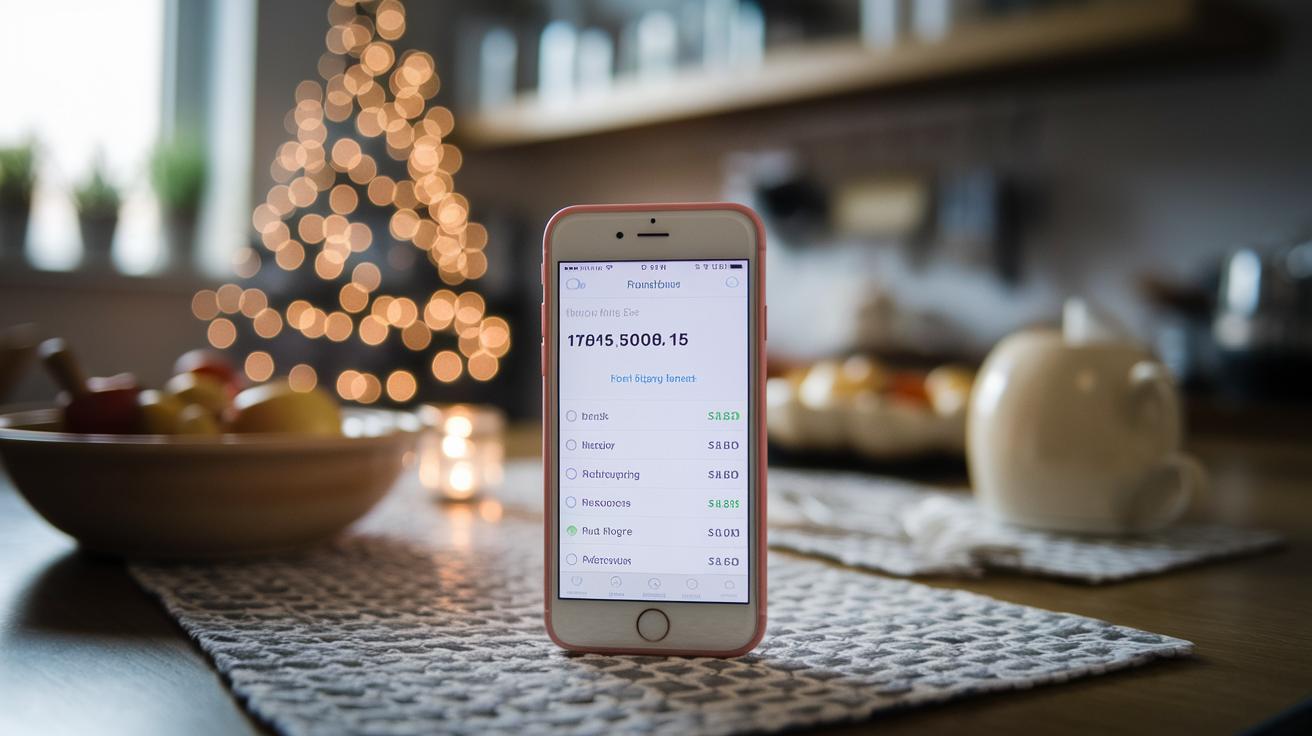
Digital budgeting apps can truly change how you handle holiday spending. They work like a handy digital helper that sets up and keeps track of your expenses for you, whether it’s gifts or travel costs. For example, an app like the Family Budgeting App lets you list your recipients and set spending limits for each one. This way, you don’t have to add everything up by hand, your phone does the work.
Imagine your wish list neatly saved and organized by the app. Many apps even have countdown timers to big dates, so you know exactly when to shop or when it might help to save a little extra. It’s like planning a special dinner, where you decide each step in advance, helping you stay calm instead of scrambling last minute.
These apps can also move money automatically into your savings account for the holidays. By setting up these regular transfers, you start to build a holiday fund without even thinking about it. Plus, they send you friendly spending alerts and reminders so you don’t go over your budget.
You can also import your wish list and connect your contacts, which makes tracking easier and ensures you never miss a special occasion. In truth, keeping track of every expense becomes easy, letting you enjoy the festive season without the money worries.
Cost-Saving Holiday Traditions for Families
Hosting a potluck dinner is a great way to lighten the load and keep costs low. When everyone brings a dish, it feels like piecing together a tasty puzzle. It’s fun to see someone bring a homemade casserole that becomes the star of the meal.
Using decorations from past holidays can also save you money and keep the festive mood alive. Try hanging your favorite twinkling lights or ornaments again, but with a fresh twist. This way, you can spend your extra cash on other parts of the celebration.
Gift exchanges such as Secret Santa or White Elephant can help cut down on the number of presents you buy. Instead of getting a gift for every family member, one shared present can bring both smiles and a few laughs. It’s really like sharing one exciting surprise among your closest friends.
Look for free or low-cost ways to boost holiday cheer. Take a family walk to enjoy the neighborhood lights or sing carols together at a local event; these moments are truly priceless. Instead of ordering printed cards, switch to free e-cards to save a few dollars. And consider volunteering or giving a small donation, like a $10 toy, to remind everyone of what the season is really about.
For more money-saving ideas, check out Budgeting Tips for Families.
Holiday Budget Worksheet and Expense Checklist

Begin by setting up a simple checklist that shows your planned costs alongside what you actually spend for each holiday category. This checklist acts like your personal expense tool, helping you keep track of every dollar and stick to your limits. It also serves as a handy reminder to compare your estimates with your real spending. This way, you can stay on budget and make quick adjustments as needed.
Below is an easy-to-use HTML table you can copy or print. It covers the basic expense types like Gifts, Decorations, Food & Drink, Travel, Activities, and Other. Use this table to set your spending limits and record your costs.
| Category | Projected Cost | Actual Cost |
|---|---|---|
| Gifts | $ | $ |
| Decorations | $ | $ |
| Food & Drink | $ | $ |
| Travel | $ | $ |
| Activities | $ | $ |
| Other | $ | $ |
Updating this worksheet regularly helps you keep a clear view of your holiday spending and stay in control.
Planning Ahead: Preparing Next Year’s Seasonal Budget
After the holidays settle down, take a moment to compare what you thought you’d spend with what actually left your wallet. You might notice you went over budget on gifts or spent less on travel than planned. If your gift spending was too high, think about cutting it a little next year. And if you ended up saving on travel, you could move that extra cash toward hosting get-togethers.
This check isn’t just about fixing past mistakes; it’s a chance to reset your savings goals. Imagine setting aside a bit of your income each month after the celebrations end. That steady little habit can create a safety net for future festivities while keeping your financial plans on track. Paying attention to these details now can make your future budgeting much easier.
Treating your holiday budget as an annual routine helps balance the fun of the season with smart money habits. For more tips, check out Financial Planning and Wealth Management.
Final Words
In the action, the key insights show a clear plan makes holiday spending smoother and enjoyable. Reviewing past purchases, setting spending limits, and using digital tools all build a strong festive spending plan. A method like placing money in a sinking fund helps ease year-end stress and supports long-term planning. Whether you stick to simple traditions or use worksheets to track costs, family budgeting for holiday expenses keeps celebrations stress-free and filled with warmth. Keep the plan simple, and enjoy every moment.
FAQ
A: Family budgeting for holiday expenses means listing all expected costs, like gifts, food, decorations, and travel, then dividing a set total among these categories. In 2022, many families found this method useful.
A: The 50/30/20 rule for family budgeting splits income into 50% for needs, 30% for wants, and 20% for savings or debt. This method offers a balanced way to handle finances.
A: The average holiday spending can vary, but many families set aside around $1,000 to $2,000 based on previous expenses, event plans, and personal priorities.
A: Creating a budget for holiday spending involves listing all anticipated expenses, assigning dollar limits to each category, and tracking spending to stay within the set limits.
A: The 60/20/20 budget rule for family finances allocates 60% to essential needs, 20% to non-essentials, and 20% to savings or paying debt, helping households manage holiday spending efficiently.