
Ever thought a simple food budget might make dinner time better? Many families face rising prices while trying to put healthy food on the table. Picture planning your week like you’re setting up a game plan, making sure every dollar works hard for your family’s health. In this post, we'll show you how to split your money wisely, cut waste, and still keep mealtime fun. Budgeting smartly can turn every meal into a win for your family.
Essential Strategies for Budgeting Food for a Family of Four
When you set aside money just for meals, you're creating a food budget. Most families spend about 10 to 15 percent of their income on food, which keeps spending in check while still allowing for home-cooked, wholesome meals. If you need more tips, our budgeting advice can be really helpful. Splitting your budget into weekly amounts makes it easier to watch your spending day by day.
Setting a clear spending limit means you won’t run out of money, even when prices go up or you want to treat yourself to a special dinner. Planning your meals in advance helps cut down on waste and stops you from making hasty, expensive choices at the store. This way, every dollar you spend goes toward giving your family a healthy meal.
- Set a monthly spending limit
- Plan your weekly menus ahead of time
- Keep track of every food purchase
- Buy bulk staples like rice, pasta, and beans
- Shop for seasonal fruits and vegetables for lower prices
- Use coupons and watch for sales
It’s important to check your budget regularly and make adjustments when needed. Comparing your spending with your set limit is like tuning your favorite guitar, you give it a quick check here and there until everything sounds just right. This approach helps you manage your money and enjoy home-cooked meals without worrying about going over your budget.
Meal Planning and Grocery List Optimization for a Family of Four
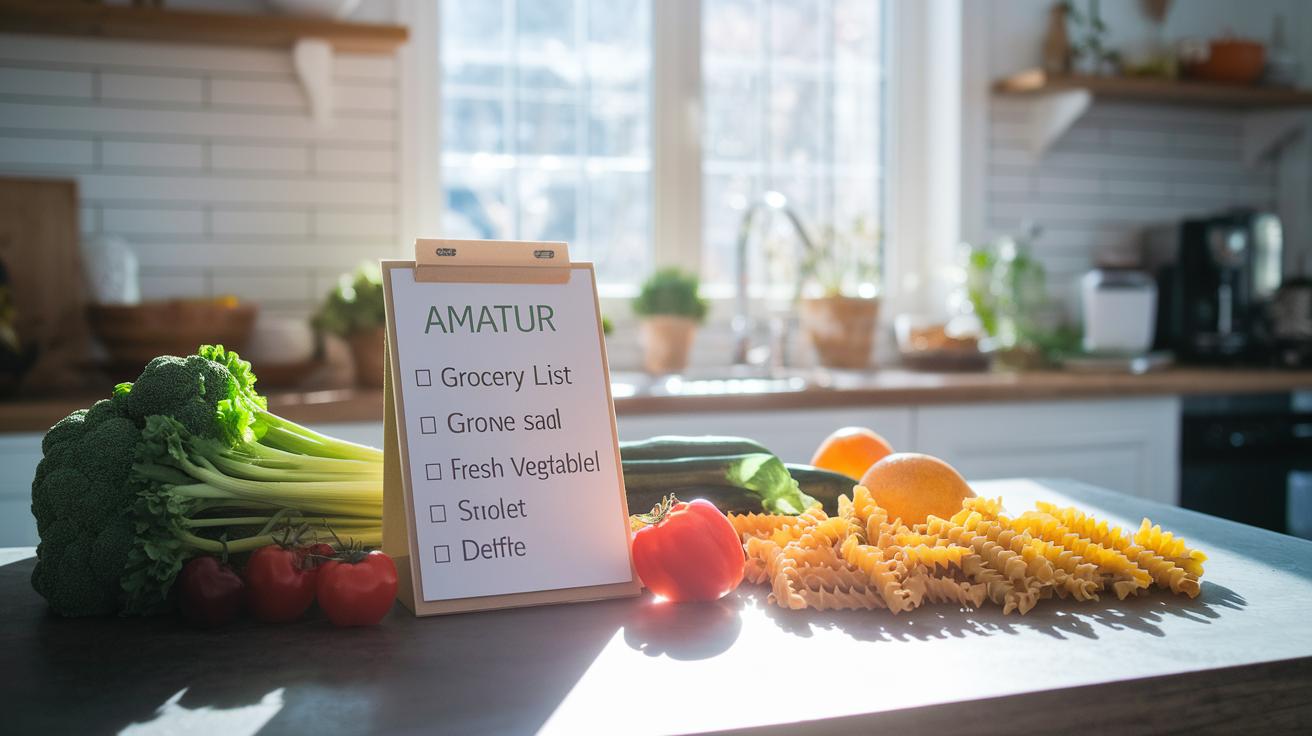
Planning your family’s meals each week can really help you cut down on food waste and avoid buying extra stuff you don’t need. When you map out your weekly menus, you can easily figure out which perishable foods you'll use over the next three days. Think of it like having a little backup kit in your fridge that keeps you going until your next big shopping trip.
It also helps to sort your meals into simple groups, like main dishes, sides, salads, soups, and desserts. This way, you can make your shopping list match up with the weekly deals or special offers at your favorite store. Imagine setting up dinner around a super-low price on soup ingredients you spotted in the flyer.
Before grabbing your cart, take a quick look in your pantry to see what you already have. Write down a shopping list organized by category so you avoid buying too much of the same thing. For instance, if you already have enough pasta, you can focus on picking up fresh vegetables or other essentials. This keeps your shopping trip focused and makes sure you stick to your budget while still enjoying a variety of meals.
Detailed Cost Breakdown and Monthly Grocery Spending Guide for a Family of Four
Many families with four members usually spend between $200 and $600 every month on groceries. Since 2020, prices have risen by about 25%, and meat in particular has gone up even more. This means it helps to take a closer look at how you spend your money so you can keep things balanced.
Start by writing down your must-have items like rice, pasta, beans, proteins, and fresh fruits or veggies. Visit your local store and check out their weekly flyers to get a ballpark figure for each item. Compare prices by looking at the unit cost to decide if buying in bulk or grabbing a deal makes sense. This simple, step-by-step process not only cleans up your monthly budget but also helps you get the best prices in your area.
For example, if you work with a $500 grocery budget, you might plan it like this:
| Category | Percentage | Amount |
|---|---|---|
| Proteins | 30% | $150 |
| Produce | 20% | $100 |
| Grains | 15% | $75 |
| Dairy | 10% | $50 |
| Pantry Staples | 15% | $75 |
| Snacks | 10% | $50 |
This clear breakdown lets you see how much each part of your meal costs and helps you adjust spending when prices change. Check your plan regularly so you can stay on top of shifting market costs.
Smart Shopping Techniques to Stretch Your Food Budget for a Family of Four

When you're shopping for your family, it can really pay off to buy non-perishable items like rice, pasta, and canned goods in bulk. This strategy makes each item cost less and helps your money go further. And when fruits and veggies are in season, not only are they fresher and tastier, but they can also cost up to 20% less than off-season picks.
Another cool tip is to keep an eye out for loss-leader deals in your local flyers. These are items offered at super low prices, and if you use them wisely along with digital or paper coupons, you could save quite a bit. Imagine seeing a flyer with a discount on a pack of soup or a special deal on fresh produce, it turns your regular shopping trip into a chance to cut your overall spending.
Also, consider swapping out name-brand products for store-brand ones. This simple switch can lower your grocery bill by 30–40% without making you compromise on quality. Plus, cutting back on highly processed foods and choosing fresh ingredients not only saves money but helps you put healthier meals on the table for your family.
Tracking, Tools, and Adjustments in Your Food Budget for a Family of Four
When you're keeping an eye on your food spending, you’ve got two simple paths: the manual route or the digital route. You might choose to clip your receipts and write down every purchase in a small notebook or spreadsheet. This gives you a clear, tangible record of where your money goes. Or you can use a budgeting app that gives you real-time updates and even warns you when you're close to your weekly limit. Either way, it comes down to choosing the method that works best for you and your family.
Flexibility plays a big part in managing your food budget. Every now and then, your needs change, maybe there’s a sale, or an unexpected expense pops up. That’s why it helps to review your spending each month. For instance, if you notice produce prices dipping during a season, you might decide to reallocate funds from another category for a while. Regular check-ins help you keep your budget balanced, even when things shift around.
Sample Weekly Meal Plans and Budget-Friendly Recipes for a Family of Four

Planning your meals for just five days can really help you make the most of your food dollars while keeping your meals healthy and satisfying. By setting up a week filled with simple breakfasts, filling lunches, hearty dinners, and light snacks, you not only lower your grocery bill but also cut down on time spent in the kitchen. I’ve seen firsthand how this kind of plan can save around $50 each month by reducing wasted ingredients and trimming cooking time.
Below is a sample meal plan that uses simple, whole ingredients to keep your meals both affordable and tasty:
| Day | Meal Type | Menu | Estimated Cost per Serving |
|---|---|---|---|
| Monday | Breakfast | Oatmeal with bananas and honey | $0.75 |
| Tuesday | Lunch | Whole-grain sandwich with vegetable soup | $1.50 |
| Wednesday | Dinner | One-pot pasta with mixed vegetables | $3.00 |
| Thursday | Snack | Yogurt with fresh berries | $0.75 |
| Friday | Dinner | Stir-fry chicken with rice and broccoli | $3.25 |
Cooking with one-pot recipes and easy prep methods not only makes cleanup simpler but also lets you use every bit of your ingredients. By grouping similar items, you can buy in bulk and plan meals around sale items, helping you keep a close eye on how much each serving costs. This thoughtful approach makes your spending more deliberate and helps avoid unnecessary impulse buys.
With these clear, budget-friendly recipes, meal prep becomes simpler, grocery tracking gets easier, and you end up with more time to enjoy a meal with your family.
Final Words
In the action, you’ve seen practical steps like setting a monthly spending cap, planning menus, tracking expenses, and using coupons that make managing grocery bills feel achievable. Clear strategies from weekly meal planning to digital tracking lay a solid foundation for smart food spending.
Putting these tips into practice boosts confidence and simplifies budgeting food for a family of 4. Remember, small changes can lead to a more stable and empowered financial future.
FAQ
How can I use tools and resources like templates, reddit discussions, and calculators to budget food for a family of 4?
The budgeting tools for a family of 4 include downloadable templates, online calculators, and advice shared on forums like reddit. They help set spending limits and track expenses easily.
What is the average grocery bill for a family of 4 per week and per month?
The average grocery bill for a family of 4 ranges from about $50 to $150 per week, which translates to roughly $200 to $600 per month. Actual costs depend on food choices and local prices.
How can a family of 4 be fed on a $100-a-week menu?
A $100-a-week menu for a family of 4 is achievable by planning meals ahead, buying in bulk, selecting seasonal produce, and using cost-saving recipes and coupons to keep expenses low.
How does location affect the food budget for a family of 4?
The food budget for a family of 4 can vary by region. For example, families in California might face higher prices, so adjusting spending plans and using local sales can help manage costs.
How do food budgets differ between a family of 4 and a single-person household?
The food budget for a family of 4 naturally requires a higher allowance than that of a single person. Individual budgets are much lower and should be tailored to personal needs and consumption patterns.