
Do you ever notice that your money seems to vanish into thin air each month? Many of us struggle to see exactly where every dollar goes, and that can feel really stressful. Smart budgeting helps clear up that confusion. It means sorting out your spending into things you need, things you want, and savings. Doing this not only makes things clearer, but it also gives you more control over your money.
Stick around as we walk you through some simple steps to set up a smart budget. It might sound a little overwhelming at first, but once you get the hang of it, you'll see how much easier it is to manage every dollar you earn.
Remember, a bit of planning can make a world of difference. Have you ever thought about how easy it could be to gain control over your money? Let's get started and turn that monthly mystery into a clear, manageable plan.
Mastering Monthly Expenses: A Comprehensive Tracking Guide
Tracking what you spend each month is a smart way to take charge of your money. Begin by collecting your bank and credit card statements so you can see exactly where your cash goes each month. This clear snapshot helps you plan better and make small adjustments to boost your savings for the future.
A simple trick is to sort your money into three groups: needs, wants, and saving or debt repayment. One easy method is the 50/30/20 rule. That means you spend 50% of your income on essentials, 30% on extras, and save or pay off debt with the remaining 20%. If you’re curious for more ideas, check out how to budget for step-by-step tips. Splitting your money like this makes it easier to track your progress and change habits if you need to.
Here are a few budgeting methods you might try:
- Envelope system: Put your cash into labeled envelopes for different spending areas so you always know your limits.
- Zero-based budgeting: Give every dollar a job so that nothing is left idle.
- 50/30/20 method: Divide your income into fixed parts for essentials, fun, and future plans or debt.
Once you choose a method that feels right, start logging your expenses regularly. Updating your expense log helps you notice any sudden changes, so you can adjust quickly. When you know your income versus your spending, you set yourself up to make better money choices every month.
Monthly Expenses Categorization: Needs, Wants, and Savings

Instead of relying on the classic 50/30/20 rule, why not try a custom approach? Track your fixed, must-have costs (needs) and variable, fun expenses (wants) while keeping your savings front and center. For instance, you might jot down, "I noticed my weekly coffee trips cost more than I thought; making coffee at home freed up extra cash for my savings."
Needs are your consistent costs like housing, groceries, and utilities. Wants are more flexible expenses, things like dining out or streaming services, that you can trim if spending starts to spike. Savings and debt payments are kept separate so you're always ready for unexpected rainy days or paying off debt.
Next, take a look at your bank and credit card statements to sort your spending into these groups. You could use a budgeting app or simply create a basic table to see everything at a glance. For example, list items like "Rent, utilities, and groceries" under needs and "Dining out, subscriptions" under wants to quickly spot areas where adjustments might help.
| Category | Example Expenses |
|---|---|
| Needs | Rent, utilities, groceries |
| Wants | Dining out, subscriptions |
| Savings/Debt | Emergency funds, loan payments |
Monthly Expenses Worksheet: Sample Templates and Comparison Table
Ever feel like tracking every penny shouldn’t be a chore? These worksheets let you quickly plug in your numbers and see your totals in real time. Whether you lean towards a DIY spreadsheet, an online calculator, or a printable planner, these tools help you keep a close eye on your monthly spending. Imagine setting your own categories and letting smart formulas do the math for you, even rolling over any extra funds to the next month. It’s a simple, hands-on way to ease your budgeting worries.
| Template Type | Format | Key Features |
|---|---|---|
| DIY Spreadsheet | Excel or Google Sheets | Custom categories, formulas, and rollover calculations |
| Digital Budget Organizer | Online app | Real-time transaction integration, automated tracking |
| Printable Budget Planner | Manual tracking, reusable monthly pages |
Think about which template fits your life best. Maybe you favor a DIY spreadsheet that gives you full control, or perhaps an online app saves you a lot of time with automation. Or, if you’re looking to take a break from screens, a printable planner might just be the perfect match. By customizing your budgeting template, you can adjust categories and formulas as your financial situation changes. It’s a personal way to keep your budget clear, empowering you to handle each expense with confidence.
Cutting Monthly Expenses: Practical Reduction Tactics
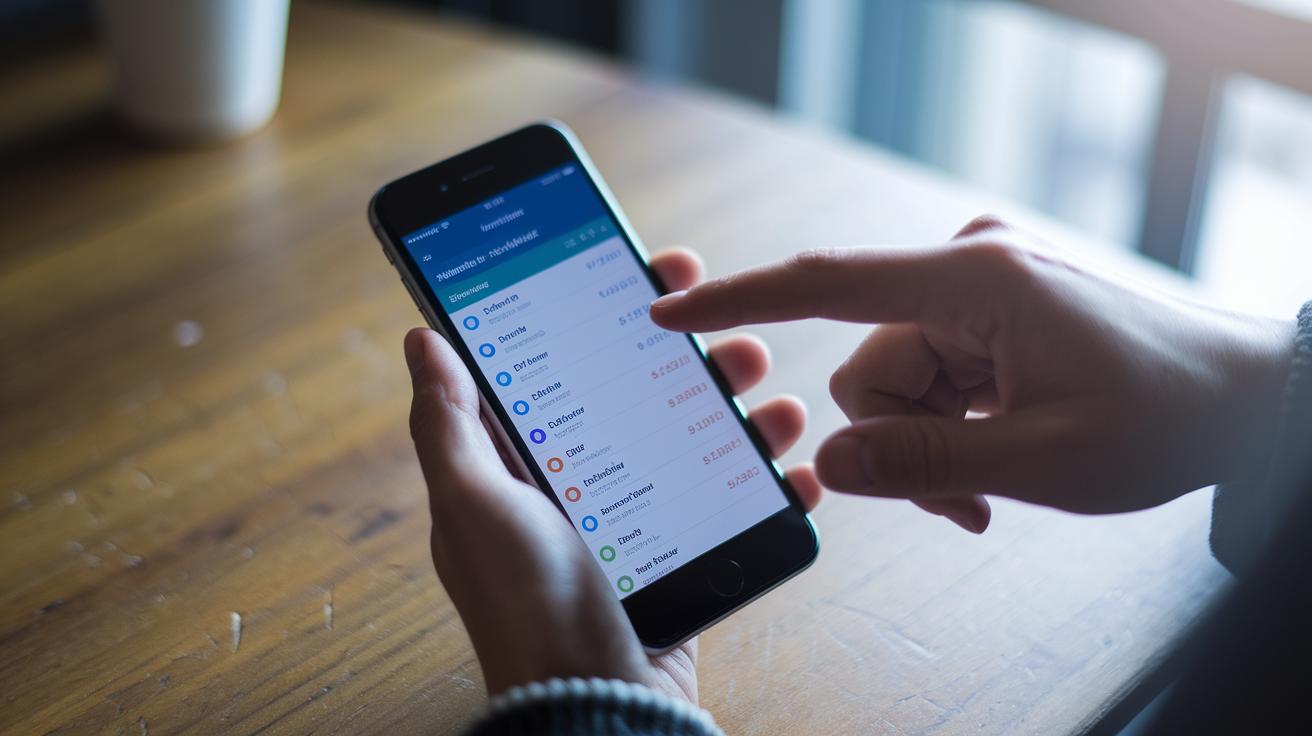
Every month, it can feel like your money is just disappearing. When you look closer, common costs might be hiding in plain sight. For instance, housing values differ from one area to another, think about seeing a median price of about $424,500 in Dallas compared to around $542,447 in Nashville. And then there’s transportation; car payments, gas, and insurance can add up to roughly $6,440 each month.
Next, consider groceries and utilities. You might spend about $660 on food now and maybe see that number creep up to nearly $674.52 next year. Utility bills vary too, they can be as low as about $405 in some spots or as high as $756 in others. Knowing these numbers is a good first step to understanding where your cash goes and spotting chances to save.
There are some simple moves you can try. Have you ever thought about asking your service providers for a better deal? Switching to a different supplier might cut your costs on utilities or insurance. It could also help to have a quick chat with your bank about reviewing your rates. And if you’re feeling stretched thin, adding a side gig or part-time work might really ease the stress on your budget.
By putting some “how to save money” tips into practice and keeping a steady eye on your daily spending, you can make your household budget feel a lot healthier.
Digital Solutions for Monitoring Monthly Expenses
Modern digital tools can make tracking your expenses feel effortless. They let you watch your money in motion so you can quickly see what’s coming in and what’s going out every day.
Apps are perfect if you like letting the tool do the work. They automatically update your available spending based on what you earn and spend. Plus, many come with handy features that let you track bills and set reminders, all in one place. For a deeper dive into smarter money management, check out money management software options that group a budgeting tool and an expense monitor together.
If you prefer being more hands-on, spreadsheets and free templates can be a great choice. With these, you can set up customizable categories and simple formulas to keep an eye on every detail. And if you’re curious about budgeting for things like auto loans or mortgages, financial calculators help you estimate your monthly payments clearly.
Digital banking also gives you a clearer view of your finances. Features like video calls and account aggregation provide real-time updates on your spending. Try incorporating these tools into your weekly routine. Regular check-ins can give you a solid grip on your financial picture, making planning and adjusting a simpler, more confident process.
Monthly Expenses Insights: Planning for Future Savings and Goals

Tracking your monthly spending is a great way to map out your savings and emergency funds. Keeping an eye on where your money goes each month helps you spot extra cash and decide how much to set aside for retirement, emergency reserves, or even big buys like a new car or home updates. A smart rule of thumb is to save 10-15% of your income, letting your money grow over time. And by keeping track, you can measure your progress toward a three-month emergency fund, for instance, if you spend around $6,083 each month, your goal would be roughly $18,249.
Regularly reviewing your finances is key to long-term planning. Try setting aside some time every few months or once a year to check in on your budget. This simple habit helps you tweak your spending habits and savings goals so that your plan stays clear and doable. It’s a straightforward way to balance day-to-day expenses and those unexpected costs while keeping your future in sight.
Final Words
In the action, we’ve walked through simple methods to track and plan your money. We broke down how to sort spending into needs, wants, and savings, explored smart budgeting templates, and shared practical cost-cutting tips. We also looked at digital tools that make tracking easier and set the stage for planning future goals. Keep these lessons close as you take control of your monthly expenses and enjoy the relief that comes with clear, confident money management.
FAQ
Frequently Asked Questions
What is a monthly expenses list/template (including Excel versions)?
A monthly expenses list or template is a tool that outlines and organizes your recurring spending, whether you use a digital version like Excel or a printable format, to monitor your fixed and variable costs.
What does the term “monthly expenses” mean?
Monthly expenses refer to the regular costs you incur each month, including bills, groceries, transportation, and any other outlays that affect your overall budget and savings.
How do monthly expenses differ for a single person compared to a family?
Monthly expenses for a single person usually cover personal bills and living costs, while a family’s expenses include additional needs like childcare, larger groceries, and often higher utility costs due to multiple users.
How does a monthly expenses calculator help manage finances?
A monthly expenses calculator automatically adds up your spending, making it easier to see where your money goes and helping you adjust your budget to meet savings or debt repayment goals.
What are normal expenses per month?
Normal monthly expenses vary based on income and lifestyle, but typically include rent or mortgage, utilities, groceries, transportation, and personal spending, which you can group as needs, wants, and savings.
How should one budget $3,000 a month?
Budgeting $3,000 a month involves dividing your income into categories such as needs, wants, and savings, and tracking all expenses closely to ensure you do not overspend in any area.
What is typically the biggest monthly expense?
The biggest monthly expense is often housing costs, like rent or mortgage payments, which usually take up a significant portion of your income and are vital for living stability.
What is a monthly expenses app?
A monthly expenses app is a digital tool that helps you record and monitor your spending on the go, offering features like real-time updates and budgeting tips to keep your finance tracking organized.